The Heritage
The Story of Indult
Indult is a Parisian independent perfume house that operates at the quieter end of niche fragrance. Founded in 2006 by Francis Kurkdjian, the brand began with a small collection of highly concentrated extraits crafted in tiny editions. Rather than pursuing wide distribution, Indult built its following through word-of-mouth among collectors drawn to its unapologetically rich, old-world approach to perfume. The house focuses on a curated lineup of scents that favor warmth, texture, and longevity over trend-driven清淡 aesthetics. Under current ownership, Indult continues releasing new work alongside reissues of beloved early compositions, maintaining the intimate scale that has defined the house since its inception.
Heritage
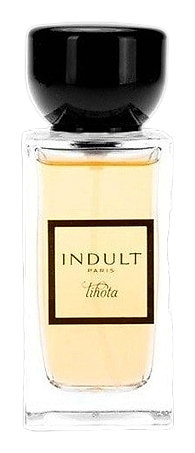
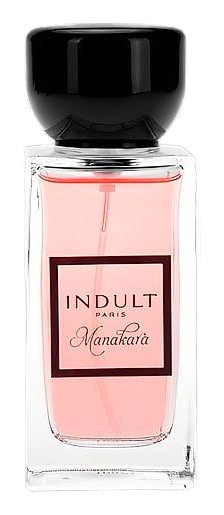
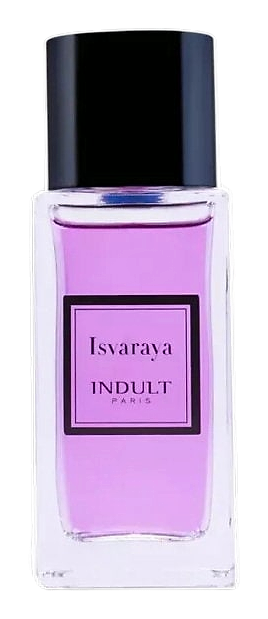
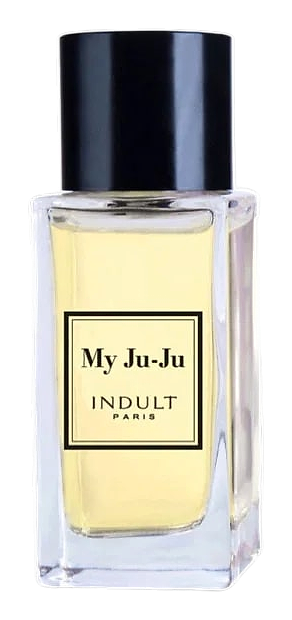
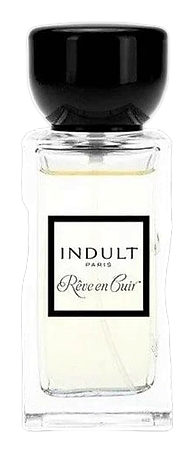
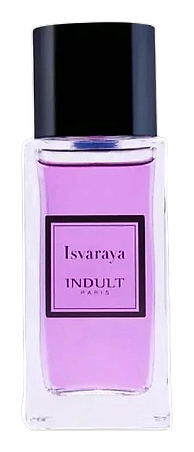
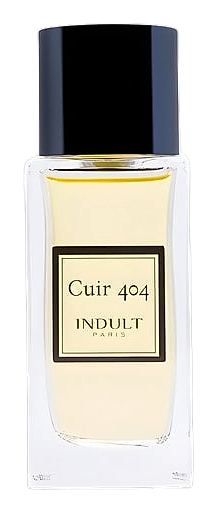
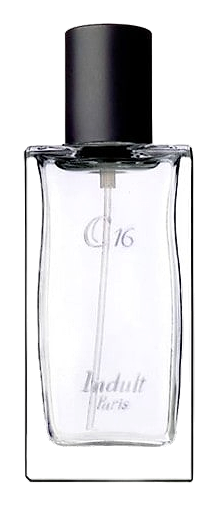
The story of Indult begins in 2006, when Francis Kurkdjian, already known among fragrance insiders for his precision with accords, launched the house as a separate creative vehicle from his work with other brands. Sources indicate the first collection numbered either three or four fragrances, each produced in editions of 999 bottles. This deliberate constraint was not merely a marketing tactic but reflected a philosophy that scarcity allows perfumers to work without compromise on ingredients and concentration. The early releases, including Tihota, Manakara, and Isvaraya, established Indult's reputation among a niche audience that valued purity and intensity over accessibility. Kurkdjian continued developing the Indult collection through 2008, adding C16 and Reve En Cuir before establishing his eponymous label, Maison Francis Kurkdjian, in 2010. Following this move, the future of Indult remained uncertain until collector Kim Christopher Charles acquired the brand after meeting with Kurkdjian. Charles, who recognized the value of the existing catalogue, took stewardship with an expressed commitment to preserving the house's character while eventually expanding its offerings. The house remained relatively quiet through the following decade, with interest in early editions intensifying among connoisseurs. My Ju-Ju arrived in 2021, marking a new chapter of creative output. More recently, Indult released Cuir 404 in 2024 alongside a reformulated reissue of Isvaraya, demonstrating continued investment in the brand's future while honoring its past. The transition from creator to caretaker has given Indult an unusual position in the niche landscape: a house with established classics and a clear lineage, operating now under stewardship that prioritizes authenticity over aggressive expansion.
Craftsmanship
Indult perfumes are formulated as extraits, meaning they arrive without the alcohol dilution found in conventional Eau de Parfum or Eau de Toilette concentrations. This choice affects not only projection and longevity but also the tactile quality of the scent itself, which tends toward density and oiliness in the best sense. The extraction of scent into a highly concentrated format requires more raw material and more careful blending, making these perfumes resource-intensive to produce. The house sources materials with an emphasis on natural origin and quality grade. While Indult does not publish detailed ingredient breakdowns, fragrance community discussions and independent reviews consistently identify prominent roles for natural materials in key releases. Tihota, one of the house's most discussed scents, is noted for its use of high-quality iris and buttery vanillic notes that suggest significant原料投入. Such compositions require both skilled blending and reliable access to premium ingredients, neither of which is easily achieved at scale. The production process maintains small-batch character even as the house has expanded its output slightly under current ownership. Bottles are filled and finished in limited runs, and the brand does not operate with the infrastructure of larger niche houses that maintain perpetual stock. This method introduces natural variation between batches and occasionally necessitates reformulation, as seen with the 2024 reissue of Isvaraya. Such changes are communicated to the community with varying degrees of specificity, reflecting an honest acknowledgment that perfumery involves ongoing recalibration rather than mechanical reproduction.
Design Language
The visual identity of Indult speaks quietly but distinctly. The brand employs a restrained palette centered on cream, gold, and black, creating an aesthetic that feels neither aggressively luxurious nor austere. Typography choices and label design evoke older French perfumery traditions without descending into pastiche, suggesting instead a confidence in the house's position within that lineage. Bottle design for Indult extraits typically features classic proportions with minimal ornamentation. The emphasis falls on substance rather than spectacle, with heavy glass and understated closures signaling the concentrated nature of the contents. This packaging philosophy mirrors the fragrances themselves: nothing superfluous, everything intentional. The bottles communicate that what matters is inside, not in the vessel's elaborate decoration. Photography and brand communications maintain this restraint, avoiding the maximalist lifestyle imagery common in prestige fragrance marketing. Instead, imagery tends toward product-focused presentation or, occasionally, atmospheric studies of texture and light that suggest the sensory experience of wearing the scent. This visual language appeals to collectors and serious fragrance enthusiasts who are predisposed to distrust glossy overstatement and who find credibility in visual discipline. The aesthetic positions Indult as a house for people who care about what's in the bottle above all other considerations.
Philosophy
Indult's approach to perfumery centers on the belief that fragrance should be experienced rather than merely worn. The house has described its creations as works shaped by indulgence, a term that points toward richness, deliberation, and sensory reward rather than ostentation. This framing reflects a commitment to full concentration extraits rather than the more diluted formats common in mainstream perfume, a choice that aligns with older European perfumery traditions. The brand's position in the market has always been resolutely niche, deliberately avoiding the broader visibility that commercial success might bring. This is not passive obscurity but an active choice. By remaining small, Indult maintains flexibility in its creative decisions and does not need to chase trends or seasonal collections. Each release receives the attention a serious perfumer's work demands, and the house can sustain editions that serve its existing audience rather than perpetually seeking new customers. Ownership by a collector rather than a corporate entity has reinforced this philosophy. Kim Charles has spoken about preserving Kurkdjian's legacy while approaching the brand as a custodian of specific olfactory standards. The result is an operation that measures success by longevity and faithful interpretation rather than by growth metrics. The house does not announce major launches with extensive marketing campaigns, relying instead on fragrance communities to recognize when new work arrives. This patient, community-driven model reflects a philosophy that treats perfume as craft object rather than consumer product.
Key Milestones
2006
Francis Kurkdjian founded Indult in Paris, releasing the first collection of highly concentrated extraits in editions of 999 bottles.
2008
Indult added C16 and Reve En Cuir to the collection, expanding its range of extrait formulations.
2010
Francis Kurkdjian established Maison Francis Kurkdjian, continuing his work under a separate creative vehicle.
2021
The house introduced My Ju-Ju, marking the first new release under ownership by Kim Christopher Charles.
2024
Indult launched Cuir 404 and reissued Isvaraya in a reformulated version, signaling renewed creative activity.
At a Glance
Brand profile snapshot
Origin
France
Founded
2006
Heritage
20
Years active
Collection
3
Fragrances released
Avg Rating
4.0
Community sentiment
Release Rhythm


