
    Home/Brands/I Mori Di Paestum

    I Mori Di Paestum

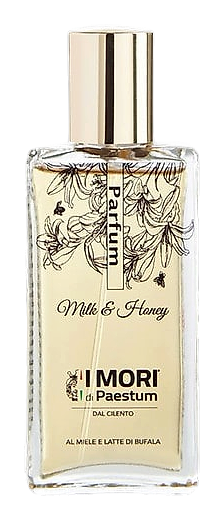
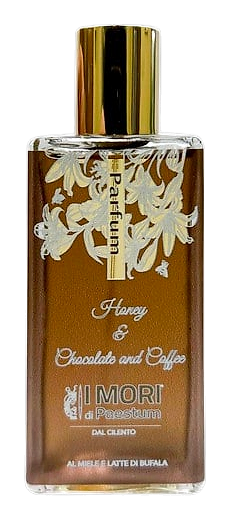
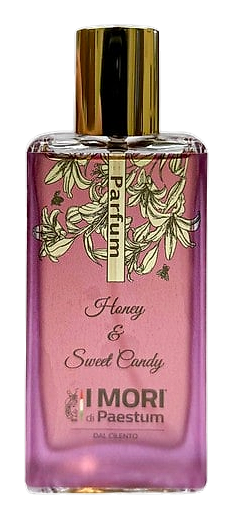
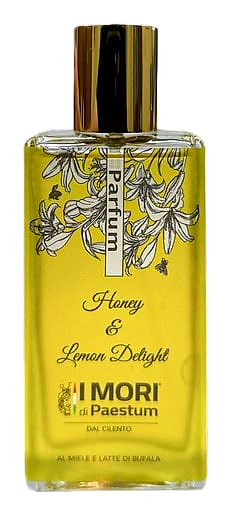
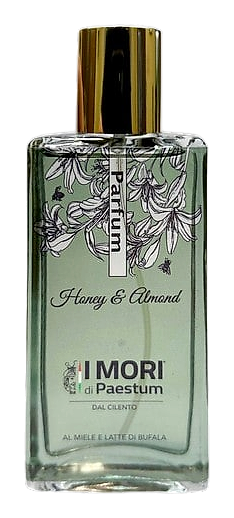
    I Mori di Paestum is a beekeeping and fragrance house rooted in the landscape of Italy's Cilento National Park. The brand transforms twenty years of apiary expertise into scented compositions centered on honey and its aromatic possibilities. Their fragrance collection explores honey through seasonal pairings, ranging from Almond and Orange Flowers to Chocolate and Coffee, Milk, Lemon Delight, and Sweet Candy. Each fragrance draws on honey produced within the protected park, creating a direct connection between the landscape and the finished scent. The house operates as both an apiary and a fragrance studio, maintaining control over raw material production alongside creative development.

    ItalyEst. 2004
    5
    Fragrances
    4.1
    Avg rating
    Shop the collection
    SignatureHoney & Milk
    Honey & Milk
    EDP
    Community
    4.1
    Average rating
    across 5 fragrances
    Collection
    5
    Fragrances and counting
    Heritage
    2004
    Founded in Italy

    Heritage

    A house, in its own words

    I Mori di Paestum emerged from two decades of beekeeping in the Cilento National Park, a UNESCO-listed region in southern Italy known for its Mediterranean vegetation and biodiversity. The name references the ancient Greek settlement of Paestum, whose ruins stand near the apiary, placing the brand within a landscape shaped by millennia of agricultural tradition. The founders, whose names are not widely documented in independent sources, built the house around the belief that quality fragrance begins with the raw material. Their beekeeping operation preceded their entry into perfumery, with honey production and bee conservation forming the original mission. The transition from agricultural product to fragrance creation reportedly came from a desire to extend the aromatic range of their honey into wearable compositions. Over twenty years, the apiary expanded its pollination work across the national park while developing fragrance lines that capture the seasonal character of their honey harvests. The house remains a family operation, with production kept small and focused on seasonal releases rather than mass-market expansion. The brand positions bee survival as inseparable from human survival, a stance that shapes their entire operation from apiary management to fragrance formulation. This perspective infuses their approach to perfumery with ecological responsibility, treating honey not as a commodity but as a living product of a specific environment. Their fragrance development centers on honey as the primary material, exploring how single-origin ingredients carry the character of their terroir into the final composition. The house rejects synthetic substitutes for natural honey, a commitment that limits production volumes but ensures ingredient authenticity. Their creative vision treats the Cilento landscape as a creative partner, with seasonal variations in honey driving the aromatic profile of each release. The brand frames gourmand fragrance as an accessible entry point to natural perfumery, offering compositions that feel familiar while maintaining the complexity of real bee products.

    Approximately 2004
    Founders begin beekeeping operations in Cilento National Park
    2004 to 2024
    Twenty years of apiary development and honey production
    2024
    House launches Honey and Milk, Honey and Almond, and five other honey-focused fragrances
    2024
    Fragrances become available through international retailers including Amazon and specialty fragrance shops

    Did you know?

    Interesting facts

    01

    The brand name references Paestum, the ancient Greek city whose ruins stand near the apiary, connecting modern production to two thousand years of regional history.

    02

    Honey used in their fragrances comes from hives located within a UNESCO-listed national park, providing legal protection for the foraging environment.

    03

    The house reportedly maintains the full production chain from apiary to finished fragrance in-house, a rarity among fragrance brands that typically purchase raw materials from suppliers.

    04

    All six fragrances launched in 2024 share honey as a core ingredient, making the collection a systematic exploration of honey's aromatic versatility rather than a scattered product line.