Heritage
A house, in its own words
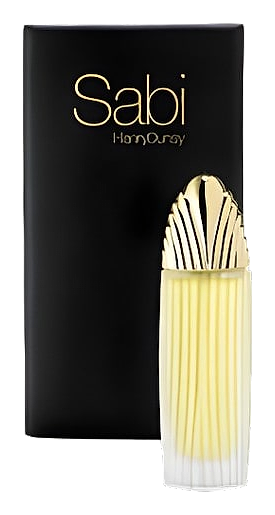
Henry Paul Dunay launched his jewelry business in 1956, shortly after his 21st birthday, according to multiple jewelry industry sources. Rather than building his own brand immediately, he took on commission work from established jewelers, including Harry Winston, one of the most prominent names in American fine jewelry at the time. This apprenticeship-style period allowed Dunay to develop his technical skills while observing how high-end jewelry houses operated. By the 1970s, he had established his own eponymous collection, earning recognition for his innovative surface work. Dunay was a founding member of the American Jewelry Design Council, an organization established to elevate American jewelry design and promote American designers internationally. His career spanned more than six decades, with his work featured in prestigious venues and collected by connoisseurs worldwide. The jewelry house remained family-connected throughout its operation, with Dunay maintaining creative control until his death in 2023 at age 88. His single venture into perfumery, Sabi, appeared late in his career, representing a rare cross-disciplinary expression of his aesthetic. Dunay's approach to jewelry centered on surface and texture rather than elaborate stone settings or ornate construction. His Sabi technique involved deliberately scratching gold and platinum to create a matte, granular finish that caught light differently than polished surfaces. This preference for subtle refinement over obvious opulence shaped his entire design philosophy. Rather than creating jewelry that announced itself from across a room, Dunay's pieces rewarded close inspection and tactile engagement. When he entered fragrance, he reportedly sought a similar quality: a scent that revealed complexity gradually rather than projecting loudly. His choice to create only one perfume suggests a deliberate rejection of quantity in favor of singular focus. The fragrance shares its name with his signature jewelry technique, indicating that Dunay viewed both disciplines as extensions of the same creative impulse. His approach to fragrance reflects his jewelry-making values: careful construction, restraint, and attention to how materials age and develop over time.