









Heritage
A house, in its own words
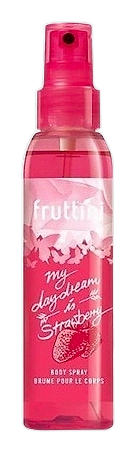
Fruttini emerged in 2000 when a collective of Italian fragrance entrepreneurs decided to fill a gap in the market for accessible, fruit‑focused scents. The founders, whose names appear in early trade registrations as the Fruttini Group, launched the brand from Milan with a modest studio that combined traditional Italian perfumery techniques with modern synthetic chemistry. The first wave of releases—Milky Orange, Cherry Vanilla, Raspberry Cream, Ginger Passionfruit, and Coco Banana—arrived that same year and were distributed through boutique retailers across Italy and France. Early press coverage in Italian lifestyle magazines highlighted the brand's playful naming convention and its emphasis on bright, gourmand accords. By 2005 Fruttini secured a distribution partnership with a U.S. specialty retailer, introducing its fruit line to North American consumers and prompting a modest expansion of its scent library. In 2015 the brand refreshed its narrative with the "My …" series, a collection of limited‑edition fragrances such as My Magic Is Passion Fruit, My Daydream Is Strawberry, My Craziness Is Mango, and My Red Carpet Is Cherry. Each title paired a personal adjective with a fruit note, reinforcing the brand's focus on individual experience. The series was accompanied by a modest marketing push in European department stores and generated coverage in fragrance blogs that praised the consistency of the fruit profiles. In 2018 Fruttini announced a shift toward more sustainable packaging, moving its iconic clear glass bottles to 30 % recycled content and adopting refillable caps for select scents. The move was documented in a feature on the Green Beauty Forum, which noted the brand's effort to reduce plastic waste while maintaining its signature aesthetic. By 2021 the company celebrated its 20th anniversary with a limited‑edition release that revisited the original Milky Orange formula, using a higher proportion of natural orange essential oil sourced from Sicily. The anniversary edition was highlighted in a retrospective article, which traced the brand's evolution from a niche fruit specialist to a recognized name in the broader perfume community. Throughout its two‑decade history, Fruttini has remained privately held, operating out of a modest production facility near Bologna where it continues to blend, bottle, and ship its creations. Fruttini frames scent as a direct line to memory, believing that a single fruit note can summon a childhood summer or a distant market stall. The brand’s creative brief asks perfumers to capture the essence of a fruit without mimicking its visual appearance, encouraging an olfactory interpretation that feels both authentic and imaginative. Fruttini values transparency; ingredient lists are published on its website, and the company distinguishes between natural extracts and lab‑crafted aroma chemicals. The brand also embraces inclusivity, offering a range of price points that allow a broader audience to experience niche‑style fruit compositions. Sustainability informs its decisions, from sourcing citrus peels from certified organic farms in Sicily to selecting recyclable packaging materials. Fruttini’s internal culture prioritizes collaboration, inviting external perfumers to propose concepts while retaining final approval in-house. This balance of openness and control aims to keep the scent library fresh without sacrificing the brand’s signature fruit focus. The company’s stated mission emphasizes joy, encouraging wearers to treat fragrance as a daily celebration rather than a formal ritual.