

Heritage
A house, in its own words
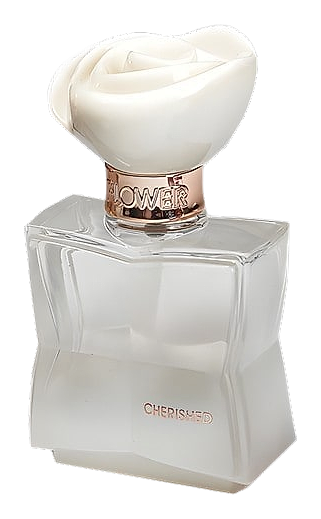
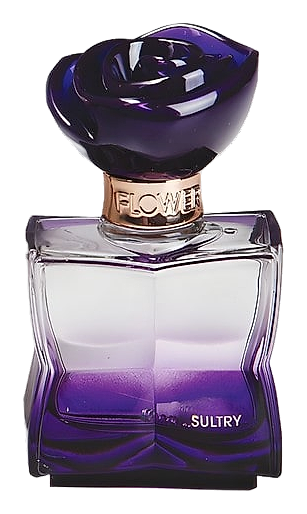
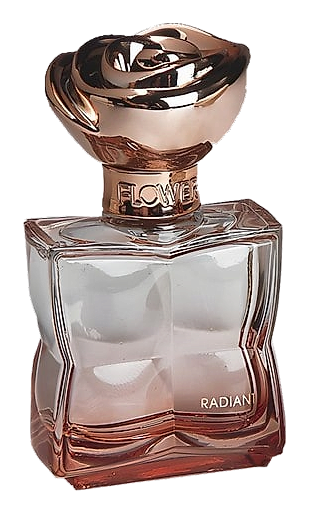
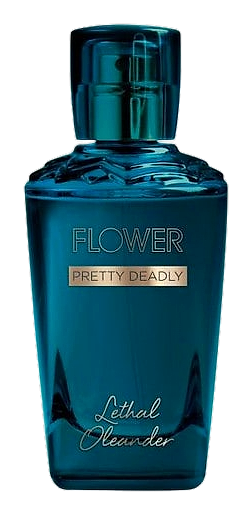
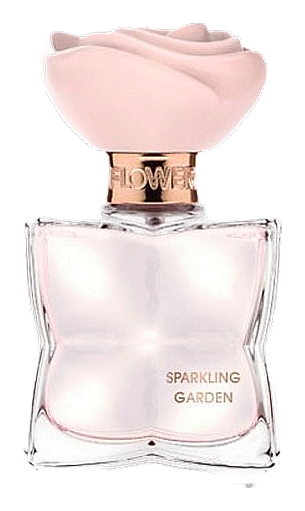
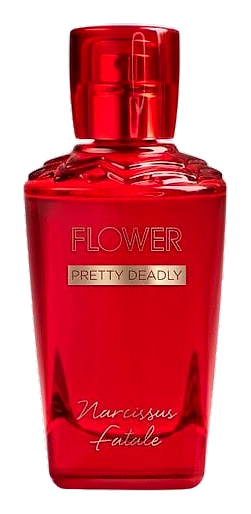
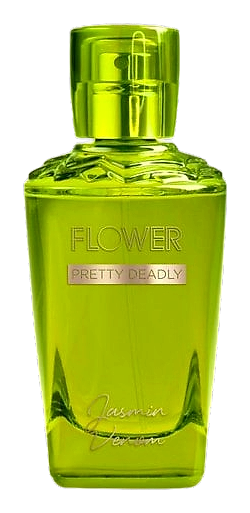
The story of Flower Beauty begins with Drew Barrymore's extensive relationship with the beauty industry, which predated her ownership stake in any brand. Barrymore served as a spokesmodel for CoverGirl for many years, eventually evolving into a co-creative role where she contributed to product development and brand direction. This experience gave her intimate knowledge of how major beauty companies operate, from formulation processes to retail partnerships and marketing strategies. In 2013, Barrymore partnered with Maesa, a beauty brand incubator known for building accessible cosmetics lines, to create Flower Beauty. The timing aligned with a broader industry trend of celebrity-backed beauty brands, but Flower differentiated itself through its initial exclusive retail partnership with Walmart, which positioned the line as genuinely affordable rather than simply celebrity-adjacent luxury pricing. The brand launched at Walmart stores nationwide, making Barrymore's vision accessible to a wide customer base who could purchase the products alongside their regular groceries and household items. This democratized approach to beauty reflected Barrymore's stated belief that women everywhere deserve access to well-crafted products. The fragrance arm of Flower Beauty emerged several years after the initial cosmetics launch, with Stephen Nilsen of Givaudan serving as the primary perfumer for the collection. Each fragrance carried a distinctive name and corresponding bottle color, suggesting careful attention to the sensory experience beyond mere scent composition. The brand's expansion to Ulta Beauty and CVS represented attempts to reach different retail demographics, though the ultimate trajectory of the company led to reduced online presence and apparent inactivity. The relationship between Barrymore and Maesa defined the brand's operational structure, with Maesa handling the behind-the-scenes manufacturing and distribution while Barrymore provided creative direction and public-facing identity. Flower Beauty operated on a foundation of accessibility, with Barrymore frequently emphasizing that her goal was to create quality beauty products at price points that did not require women to choose between cosmetics and other necessities. This philosophy manifested in the initial Walmart partnership, which placed Flower products alongside budget-friendly household goods rather than in high-end department store beauty halls. The approach reflected Barrymore's own background and values, as someone who had experienced both extreme wealth and financial struggle in her life. Her philosophy extended beyond pricing to encompass the idea that beauty should feel joyful rather than aspirational or exclusionary. The fragrance collection continued this ethos by offering complex, distinctive scents without the stratification typical of the perfume industry. Names like Lethal Oleander, Jasmin Venom, and Narcissus Fatale suggested a willingness to embrace darker, more complex themes rather than relying on the floral-and-light imagery common to mass-market fragrances. This naming convention hinted at Barrymore's personal taste and perhaps her background in Hollywood, where she had encountered both glamorous surfaces and more complicated realities. The brand's approach to fragrance development reportedly involved direct input from Barrymore herself, with her preferences shaping scent profiles rather than simply attaching her name to formulations she had not influenced. This level of involvement distinguished Flower Beauty from some celebrity fragrance lines that function primarily as licensing arrangements with minimal celebrity creative contribution.