The Heritage
The Story of Façonnable
Façonnable began as a French ready‑to‑wear label in Nice in 1950 and later extended its DNA into fragrance. The scent portfolio, launched in 1994, mirrors the brand’s coastal roots with crisp, sun‑kissed compositions for both men and women. Over the decades the house has introduced a steady stream of bottles that sit on a vanity as quietly confident as a tailored blazer, offering a scented bridge between classic French style and contemporary everyday wear.
Heritage
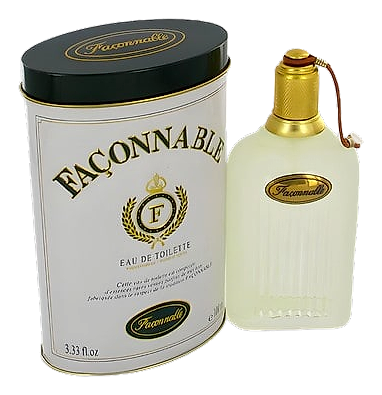
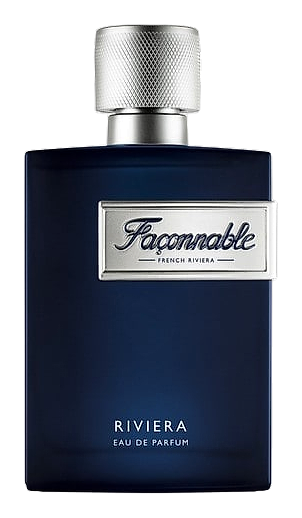
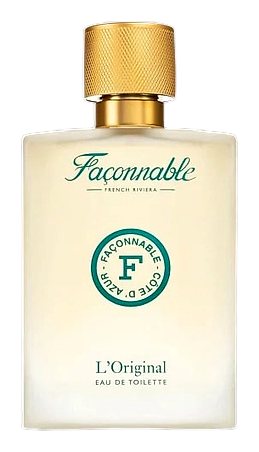
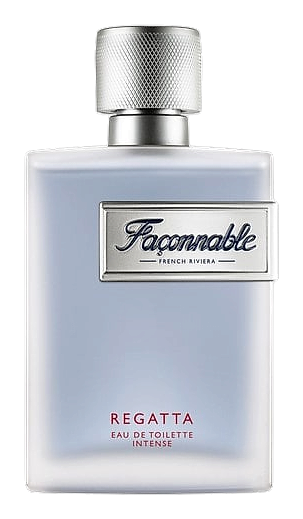
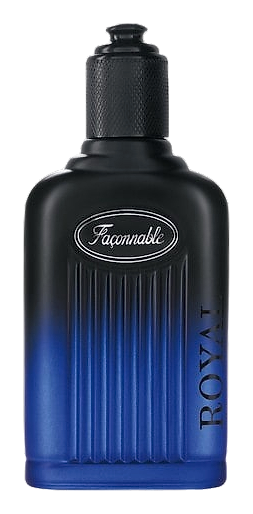
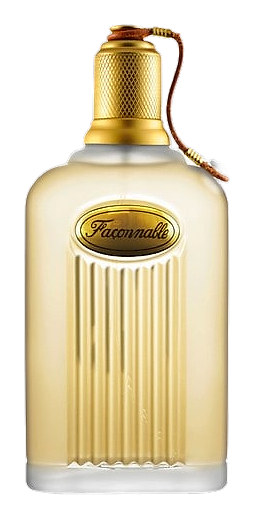
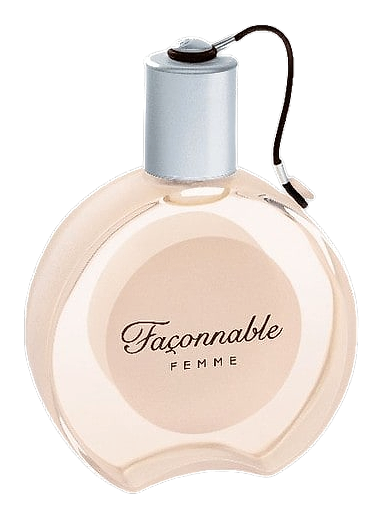
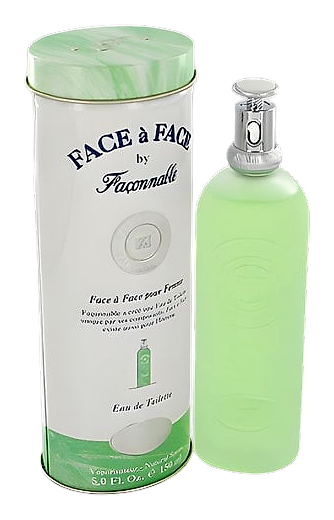
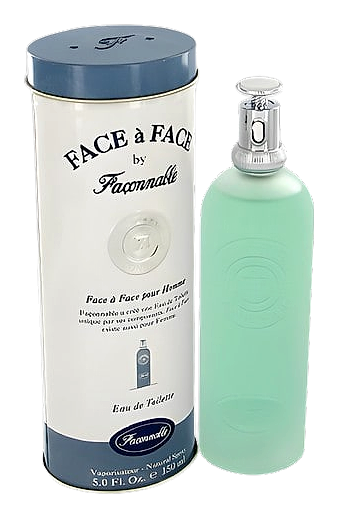
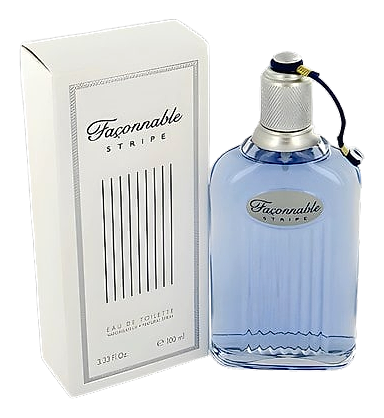
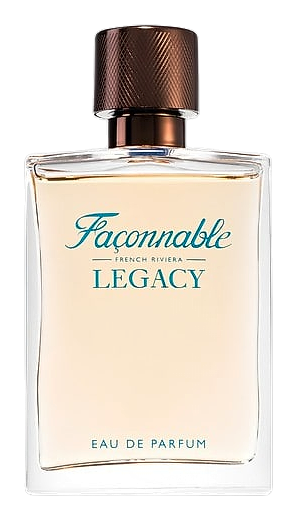
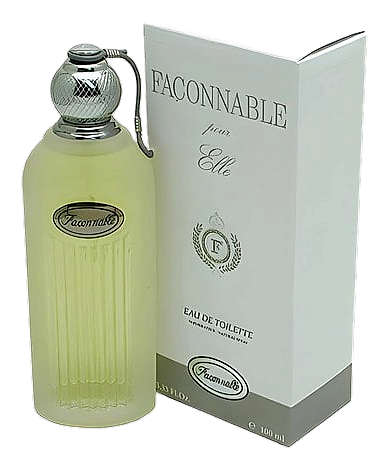
Jean Goldberg opened the first Façonnable shop on the Promenade des Anglais in Nice in 1950, aiming to provide well‑cut clothing that captured the relaxed elegance of the French Riviera. The label quickly earned a reputation for clean tailoring and a colour palette drawn from sea and sky, a look that resonated with both locals and tourists. By the early 1970s the brand expanded beyond its flagship store, opening boutiques in Paris, London and New York, and began to dress a clientele that included artists, athletes and business leaders. In 1994 Façonnable entered the fragrance market with a single eponymous eau de toilette, a move documented by French perfume retailers and noted for its simple, marine‑inflected profile. The scent line grew steadily: 1996 saw the release of Face a Face pour Homme and Face a Face pour Femme, both echoing the brand’s breezy aesthetic. A 2005 addition, Faconnable Stripe, introduced a subtle contrast of aromatic herbs and citrus. The 2010s brought a refreshed take on the original formula with L'Original in 2021, followed by Riviera and Regatta the same year, each referencing specific coastal locales. In 2017 the house issued a new Faconnable Pour Homme, and in 2018 introduced Faconnable Royal Eau de Parfum, a richer composition that layered amber and woods. The most recent launch, Legacy in 2023, positions the brand’s scent story as a continuation of its mid‑century heritage while speaking to modern sensibilities. Throughout its evolution Façonnable has remained privately owned, joining the M1 Group portfolio in the 2010s, a transition that preserved its French design ethos while providing resources for broader distribution. The fragrance arm, while modest in size compared with dedicated perfume houses, reflects the same commitment to understated elegance that defined the label’s clothing lines from the very beginning.
Craftsmanship
Façonnable does not operate its own perfume laboratory; instead it partners with established French fragrance manufacturers who handle formulation, blending and quality control. This collaborative model, common among fashion houses, allows the brand to tap into the expertise of seasoned perfumers while retaining creative direction over the scent profile. Ingredients are sourced from traditional perfume regions: citrus oils from Italy, lavender from Provence, and marine accords that are synthetically reproduced to achieve a consistent oceanic note. Production follows the standard French regulatory framework, with each batch undergoing stability testing and compliance checks before release. The bottles are filled in facilities that meet ISO 9001 standards, ensuring uniformity across volumes. While the brand does not publish detailed ingredient lists, third‑party retailers note that many Façonnable fragrances feature a top‑note citrus opening, a heart of aromatic herbs or florals, and a base of woods or amber, a structure that aligns with the house’s emphasis on balance and wearability. Quality assurance includes periodic sensory panels that evaluate each perfume for consistency with the original brief, a practice that helps maintain the scent’s intended character over time.
Design Language
Visually, Façonnable’s fragrance line adopts the same restrained elegance found in its clothing. Bottles are typically clear or lightly tinted glass with a rectangular silhouette, echoing the clean tailoring of a suit jacket. The brand name appears in a simple sans‑serif font, often embossed or printed in silver or matte black, reinforcing a minimalist feel. Labels avoid ornate patterns, instead using a single colour band that hints at the fragrance’s theme – for example, a deep navy stripe for Faconnable Stripe or a soft teal hue for Riviera. The packaging design mirrors the brand’s colour palette of blues, whites and neutrals, drawing a visual connection to the sea and sky of the French coast. Promotional photography frequently features models in relaxed, sun‑lit settings, dressed in light fabrics that complement the scent’s breezy character. This cohesive visual language extends to retail displays, where the fragrances sit alongside the clothing collections, reinforcing the idea that scent is an integral part of the overall style experience.
Philosophy
The brand’s fragrance philosophy rests on the idea that scent should complement a wardrobe rather than dominate it. Statements from the company’s public materials describe its perfumes as "true reflections of elegant men with a timeless classic, yet present‑day style" and extend that language to women’s offerings as well. This approach translates into compositions that favour clarity over complexity, using familiar Mediterranean notes such as bergamot, sea salt, and lavender to evoke the light of the Riviera. Façonnable treats each launch as an extension of its sartorial narrative, aligning the olfactory experience with the visual language of its clothing collections. The brand emphasizes consistency: the same clean lines, restrained colour schemes and functional elegance that appear on a jacket are echoed in the scent’s structure. By positioning fragrance as a subtle accessory, Façonnable encourages wearers to layer scent with style, creating a personal signature that feels as natural as a well‑fitted shirt.
Key Milestones
1950
Jean Goldberg founds Façonnable in Nice, France, focusing on tailored ready‑to‑wear clothing.
1994
Façonnable launches its first fragrance, an eponymous eau de toilette, marking the brand’s entry into perfumery.
1996
Release of Face a Face pour Homme and Face a Face pour Femme, expanding the line with gender‑specific scents.
2005
Faconnable Stripe debuts, introducing a contrasting aromatic composition.
2018
Faconnable Royal Eau de Parfum launches, offering a richer, amber‑based interpretation of the house scent.
2023
Legacy is introduced, the latest addition that references the brand’s mid‑century heritage while using contemporary accords.
At a Glance
Brand profile snapshot
Origin
France
Founded
1950
Heritage
76
Years active
Collection
1
Fragrances released
Avg Rating
4.8
Community sentiment
Release Rhythm


