
The Heritage
The Story of Diane Castel
Diane Castel entered the niche market in 2017 with a concise portfolio that quickly attracted attention from collectors who value depth over volume. The house balances bold oud compositions, such as the 2020 Aquilae – Oud du Désert, with lighter, floral statements like the 2021 My Divine. Each launch arrives in a bottle that feels like a small, private museum piece, inviting the wearer to explore a scent story without the clutter of mass‑market trends. The brand’s modest size lets it focus on ingredient integrity and a clear, personal narrative for every fragrance.
Heritage
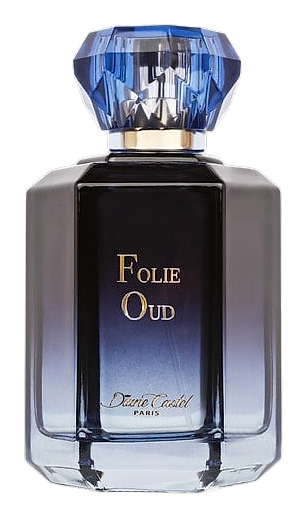
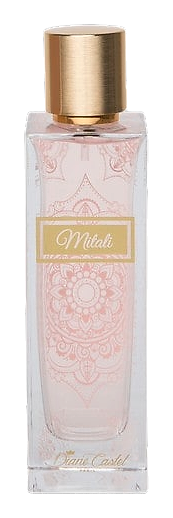
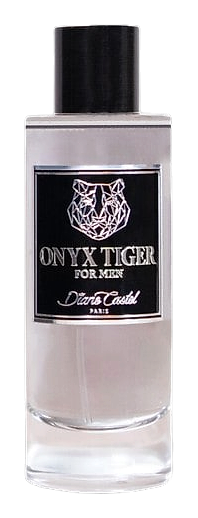
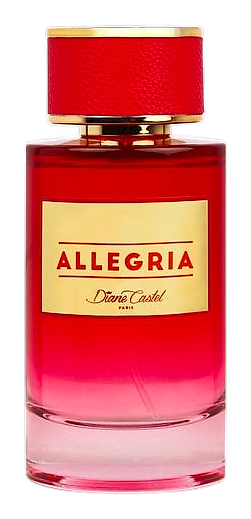
The first fragrance attributed to Diane Castel appeared in 2017 under the name Very Oud, a straightforward oud‑centric scent that signaled the brand’s willingness to work with powerful raw materials from the start. While the founder’s identity is not widely publicised, the brand’s early releases suggest a small, possibly family‑run operation based in France, a country with a long tradition of perfume craftsmanship. By 2020 the house expanded its range with Aquilae – Oud du Désert and Prodigio, both of which received coverage on fragrance‑focused platforms such as Fragrantica and Basenotes. These releases demonstrated a growing confidence in blending traditional Middle‑Eastern notes with contemporary French sensibilities. In 2021 the collection grew with My Divine, a softer, floral‑oriented offering that showed the brand could move beyond the heavy oud motif without losing its signature depth. The following year, 2022, saw the introduction of Ayesha and Mitali, two scents that incorporated rare botanicals and highlighted a commitment to sourcing ingredients from diverse regions, including Indian sandalwood and Moroccan rose. 2023 proved especially prolific, delivering Folie Oud, Allegria, and Silver Wolf, each accompanied by distinct visual identities that reinforced the house’s evolving aesthetic. The most recent addition, Onyx Tiger, launched in 2024, continues the trend of juxtaposing bold, animalic notes with refined, minimalist packaging. Throughout this period, Diane Castel has maintained a low‑profile marketing approach, relying on word‑of‑mouth among fragrance enthusiasts and detailed reviews on niche blogs rather than large‑scale advertising campaigns. The brand’s trajectory illustrates a deliberate, measured expansion: new releases appear roughly every one to two years, allowing time for ingredient sourcing, formulation, and thoughtful design. While the house has not yet been the subject of major industry awards, its consistent presence on respected fragrance databases and the steady accumulation of positive user reviews suggest a growing, loyal following. The heritage of Diane Castel, therefore, is defined less by headline‑grabbing milestones and more by a quiet dedication to quality, a willingness to experiment within a limited but carefully curated catalogue, and an ongoing dialogue with a community of scent connoisseurs.
Craftsmanship
Production at Diane Castel follows a small‑batch model that mirrors the practices of historic French ateliers. Formulations are created in a Paris‑based studio where a core team of perfumers, many of whom are freelance specialists rather than in‑house staff, experiment with raw materials before finalising a composition. The brand’s reliance on external perfumers is reflected in the varied olfactory signatures across its catalogue, ranging from the dense, resinous oud of Aquilae to the airy, citrus‑green profile of Allegria. Ingredient sourcing is a cornerstone of the house’s quality control. For oud, the brand reportedly works with suppliers in the United Arab Emirates who harvest wood from mature Aquilaria trees, a process that involves natural infection to develop the resinous scent. Floral extracts such as jasmine and rose are said to be obtained from growers in Grasse and the foothills of the Himalayas, where traditional steam distillation preserves the delicate aromatics. The brand’s website mentions a preference for natural isolates when possible, but also acknowledges the use of high‑grade synthetics to achieve consistency and to extend the life of limited‑edition releases. Once the raw materials arrive, the blending process takes place in temperature‑controlled labs to ensure stability. Each batch undergoes a series of stability tests, including accelerated aging and skin‑compatibility assessments, before the perfume is approved for bottling. The bottling line itself is manual, with artisans filling each bottle, capping, and applying the signature label by hand. This hands‑on approach reduces the risk of contamination and allows for close monitoring of fill levels, which is especially important for the higher‑priced, concentrated versions of the brand’s oud offerings. Quality assurance extends to packaging as well. The glass used for the bottles is sourced from French manufacturers known for producing crystal‑clear, thick‑walled containers that protect the fragrance from light exposure. Caps are machined from brushed metal, providing a tactile contrast to the smooth glass. The brand also includes a small, printed insert that details the fragrance’s key notes and suggested usage, reinforcing the educational aspect of the consumer experience. Overall, Diane Castel’s craftsmanship reflects a blend of artisanal attention and modern laboratory precision. By limiting production runs, the house can maintain strict oversight of each step, from raw material acquisition to the final seal on the bottle, ensuring that every release meets the high standards expected by niche fragrance collectors.
Design Language
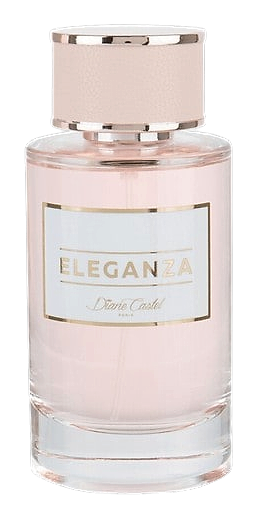
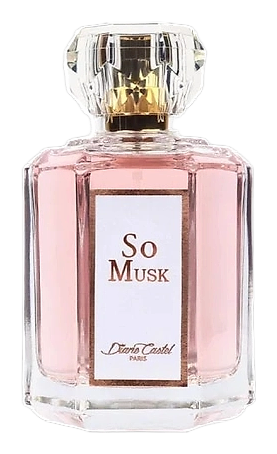
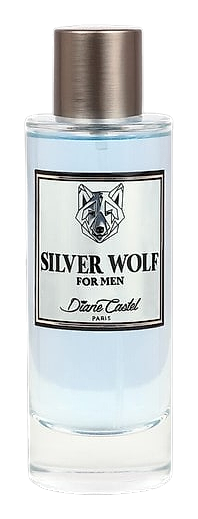
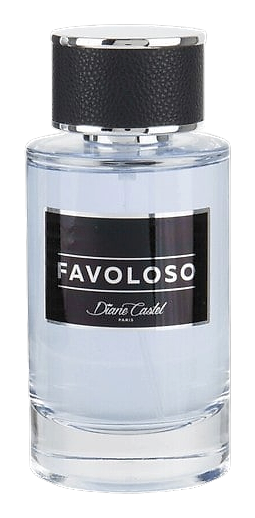
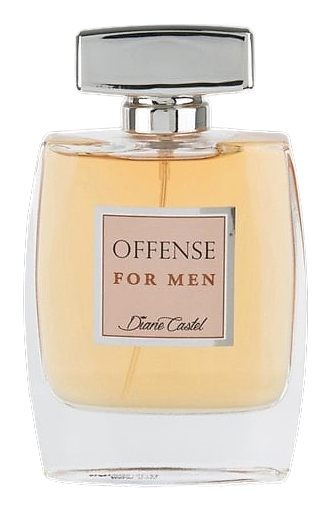
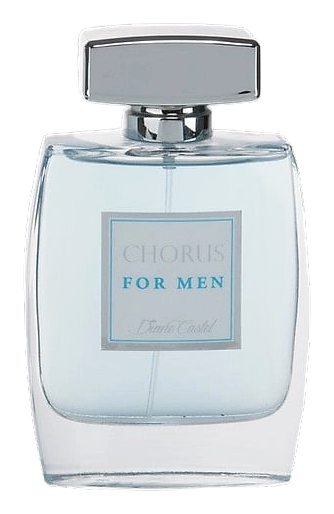
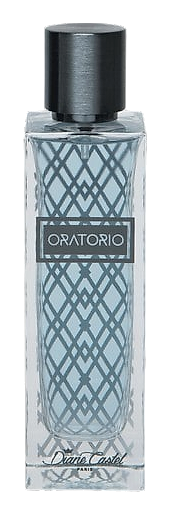
The visual language of Diane Castel is deliberately restrained, allowing the scent to remain the focal point. Bottles are typically cut from clear, heavy glass with clean lines and minimal ornamentation. The brand favors rectangular or subtly curved silhouettes that sit comfortably on a vanity without demanding attention. Caps are often matte‑finished metal, sometimes brushed aluminum or gunmetal, providing a tactile counterpoint to the smooth glass. Label design follows a typographic approach that uses a simple sans‑serif font, usually rendered in black or deep charcoal against a white background. The brand name appears in uppercase, while the fragrance title is positioned below in a slightly smaller size, creating a hierarchy that guides the eye without excess flourish. Some editions, such as Onyx Tiger, incorporate a thin metallic stripe or a subtle embossing that hints at the scent’s character without overwhelming the overall minimalism. Color palettes for each fragrance draw from the olfactory profile: Very Oud features a deep, almost black bottle that mirrors its dark, resinous heart; My Divine opts for a soft pastel hue that reflects its floral nature; and Folie Oud uses a muted amber glass that evokes the warmth of its oud base. This coordinated use of color helps collectors differentiate between releases at a glance while maintaining a cohesive brand identity. Packaging extends beyond the bottle to include sturdy, matte‑finished boxes that protect the fragrance during shipping. Inside, the box often contains a thin, vellum‑like card that lists the perfume’s key accords and a brief note on the inspiration behind the scent. The overall aesthetic conveys a sense of quiet confidence, positioning the brand as a modern, understated alternative to more flamboyant niche houses. In marketing materials and social media, Diane Castel presents its fragrances against clean, monochrome backgrounds, occasionally punctuated by a single, high‑resolution photograph of the ingredient that inspired the perfume—a sprig of rose, a slab of oud, or a burst of citrus. This visual strategy reinforces the brand’s narrative of authenticity and focus on raw material quality, inviting the audience to appreciate the scent’s origin as much as its final composition.
Philosophy
Diane Castel’s creative vision centres on the idea that a fragrance should act as a personal archive rather than a fleeting trend. The brand states that each scent is meant to capture a specific mood or memory, encouraging wearers to treat perfume as a form of quiet storytelling. This philosophy translates into a focus on ingredient authenticity; the house prefers raw materials that retain a clear geographic signature, such as Moroccan oud, Indian jasmine, or Turkish rose. By limiting the number of annual releases, the brand can devote more time to researching the provenance of each component, ensuring that the final composition reflects both the origin of its ingredients and the intended emotional resonance. Values of transparency and sustainability appear throughout the brand’s communications. While detailed supply‑chain data is not publicly disclosed, the company has referenced collaborations with small‑scale growers and an interest in supporting traditional extraction methods. This aligns with a broader niche‑perfume movement that seeks to preserve artisanal practices in the face of industrial scaling. The brand also emphasizes a minimalist aesthetic, believing that a clean bottle design allows the fragrance itself to take centre stage without visual distraction. In interviews, the creative team has mentioned that they view perfume as a bridge between the tactile and the olfactory, encouraging consumers to engage all senses when experiencing a new launch. Overall, Diane Castel positions itself as a curator of intimate scent experiences, prioritising depth, authenticity, and a restrained approach to both product development and visual presentation. The philosophy is less about claiming market leadership and more about fostering a quiet, enduring relationship between the wearer and the perfume.
Key Milestones
2017
Launch of Very Oud, the brand’s inaugural fragrance, establishing a focus on high‑quality oud.
2020
Release of Aquilae – Oud du Désert and Prodigio, expanding the line with complex, resin‑rich compositions.
2021
Introduction of My Divine, a softer, floral‑oriented scent that demonstrated the house’s versatility.
2023
Three new releases—Folie Oud, Allegria, and Silver Wolf—each accompanied by distinct minimalist bottle designs.
2024
Launch of Onyx Tiger, the latest addition, continuing the brand’s commitment to bold animalic notes and refined packaging.
At a Glance
Brand profile snapshot
Origin
France
Founded
2017
Heritage
9
Years active
Collection
1
Fragrances released
Avg Rating
4.3
Community sentiment
Release Rhythm


