


Heritage
A house, in its own words
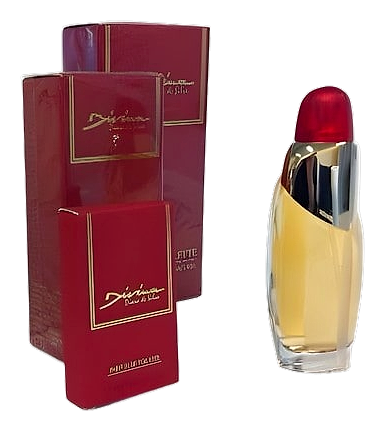
Diana de Silva emerged from Milan's cosmetics sector during a period of significant expansion in Italian fashion fragrance. The company developed a dual-track business model that combined proprietary fragrance development with licensing agreements for established fashion houses. This approach allowed the company to build expertise across different market segments while maintaining creative control over its own fragrance lines. The company's research and development division employed industry professionals who worked on both original compositions and brand extensions for fashion partners. As an Italian cosmetics manufacturer, Diana de Silva benefited from proximity to both the fashion industry in Milan and the fragrance production expertise concentrated in northern Italy. The company navigated the competitive landscape of 1990s perfumery by securing licensing deals with fashion labels seeking to enter or expand in the fragrance market. These partnerships required the company to interpret distinct brand identities through scent, creating perfumes that aligned with the aesthetic and positioning of houses like Byblos and Gianfranco Ferrè. The company's distribution network extended across European markets, with the Montana brand representing one of its higher-end portfolio entries in the early 2000s. Industry observers noted Diana de Silva as a notable presence in Italian cosmetics during this era, though the company operated without the public profile of larger multinational fragrance houses. The brand's footprint in the vintage fragrance market today reflects its status as a product of its particular historical moment in Italian fashion and beauty. Diana de Silva approached fragrance creation through the lens of fashion collaboration, treating each licensed brand as a distinct creative brief requiring interpretation rather than replication. The company's work for fashion houses demanded an understanding of house aesthetics, target demographics, and seasonal positioning that extended beyond traditional perfumery considerations. This collaborative model required flexibility in creative direction, adapting house signatures across multiple fragrance releases for partners like Byblos, which received multiple expressions under the Diana de Silva license. The company maintained separate creative identities for its proprietary brands, including the Montana line, which received focused marketing attention directed at the medium-to-high-end segment. The limited size of the company's own fragrance catalog, just four documented releases over three years, suggests deliberate rather than prolific output. Each original launch appears to have been treated as a significant undertaking, with the 1993 Ettore Bugatti and 1996 Divina representing anchor releases within the portfolio. The decision to develop a fragrance line for Mauboussin, a watch and jewellery house, indicates openness to collaboration beyond traditional fashion boundaries, suggesting the company valued brand heritage and craftsmanship association over straightforward market expansion.