



    Brand Profile

    Christy Organics is a boutique fragrance house that blends botanical tradition with modern wellness sensibilities. The line debuted with fiv…More

    United States·Est. 2016·Site

    3.4

    Rating

    5
    Trance by Christy Organics
    Best Seller
    4.5

    Trance

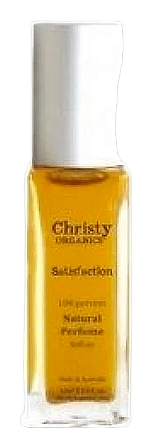
    Satisfaction by Christy Organics
    Best Seller
    3.4

    Satisfaction

    Urbane by Christy Organics

    Urbane

    Amber by Christy Organics

    Amber

    Abundance by Christy Organics

    Abundance

    Haltane by Parfums de Marly
    Coming Soon

    Haltane

    Parfums de Marly

    The Heritage

    The Story of Christy Organics

    Christy Organics is a boutique fragrance house that blends botanical tradition with modern wellness sensibilities. The line debuted with five natural perfumes in 2016, each built around certified organic essential oils and a cruelty‑free ethos. The brand positions scent as a quiet extension of health, offering compositions that feel like a breath of fresh garden air rather than a theatrical flourish. Its modest catalogue invites collectors who value transparency, sustainability, and the subtle power of nature‑derived aroma.

    Heritage

    The story of Christy Organics begins with Siau, a third‑generation herbalist whose family has tended medicinal gardens for decades. Growing up among dried herbs and tinctures, Siau observed how scent could influence mood and wellbeing, a lesson that later shaped the brand’s direction. In the early 2010s Siau left a career in natural health consulting to explore fragrance as a complementary practice. By 2015 a small laboratory was set up in a converted studio, where a proprietary blend of certified organic oils was tested on a close circle of friends and wellness practitioners. The first public offering arrived in 2016 with five distinct perfumes—Trance, Urbane, Amber, Abundance, and Satisfaction—each launched simultaneously on the brand’s online platform. The launch was noted by fragrance community sites such as Fragrantica, which catalogued the five scents and described Christy Organics as a new entrant in the market. Over the following years the company expanded its sourcing network, partnering with organic farms in the United States and Europe to secure raw materials that meet strict certification standards. In 2017 the brand achieved USDA organic certification for its core ingredients, a milestone that reinforced its commitment to verifiable purity. By 2018 Christy Organics entered a handful of boutique retailers that specialize in natural beauty, allowing customers to experience the scents in person. The brand’s evolution continued with a 2020 introduction of a refill‑friendly bottle system, designed to reduce waste while preserving fragrance integrity. Throughout its growth, Christy Organics has remained a small‑scale operation, emphasizing hand‑crafted batches and direct communication with its community of scent‑enthusiasts.

    Craftsmanship

    Production at Christy Organics unfolds in a modest studio where small batches are mixed by hand. The process starts with a vetted list of certified organic farms, many of which practice regenerative agriculture and provide third‑party audit reports. Essential oils are cold‑pressed or steam‑distilled to preserve their native aromatics, then stored in amber glass to protect against light degradation. The proprietary formula combines these oils with a natural carrier base derived from organic jojoba and fractionated coconut oil, creating a stable medium that highlights the botanical notes without relying on synthetic fixatives. Each batch undergoes a sensory evaluation conducted by the founder and a rotating panel of wellness professionals, ensuring that the intended emotional effect is achieved. Quality control includes gas chromatography analysis to confirm the purity of each oil and to detect any unintended contaminants. Bottles are filled using a calibrated pipette to maintain consistency, and each unit is sealed with a recyclable cork that doubles as a scent‑preserving barrier. The brand’s commitment to low‑impact production extends to its supply chain: shipping materials are sourced from recycled cardboard, and the company offsets a portion of its carbon footprint through reforestation projects. This meticulous approach reflects a belief that the integrity of the final fragrance is inseparable from the care taken at every step of its creation.

    Design Language

    Visually, Christy Organics embraces a minimalist palette that mirrors its natural ethos. Labels feature muted earth tones—soft greens, warm beiges, and gentle ochres—paired with a clean, sans‑serif typeface that conveys clarity. The bottle silhouette is a simple, rounded amber flask, chosen for its protective qualities and its subtle nod to vintage apothecary vessels. A thin, recyclable cork tops each bottle, adding a tactile, organic element that reinforces the brand’s hands‑on philosophy. Marketing imagery often depicts the fragrances alongside the raw botanicals from which they are derived, such as lavender fields, cedar groves, or amber resin, creating a visual link between the product and its source. The overall aesthetic avoids ostentatious embellishments, favoring understated elegance that appeals to consumers who prefer quiet confidence over flash. This design language extends to the brand’s website, where ample white space, high‑resolution macro photography of ingredients, and concise copy guide the visitor through a calm, contemplative browsing experience.

    Philosophy

    Christy Organics treats fragrance as an extension of holistic health rather than a decorative accessory. The guiding principle is that scent should support mental clarity, emotional balance, and physical comfort, a view rooted in the founder’s herbalist background. Every formula begins with a wellness intention—whether to calm, energize, or center the wearer—and then translates that intention into a palette of organic botanicals. The brand rejects synthetic aromachemicals, opting instead for ingredients that can be traced back to their agricultural origin. This transparency aligns with a broader ethical stance: all products are cruelty‑free, and the company seeks certifications that verify organic content and animal‑testing policies. Sustainability informs packaging choices, marketing language, and even the pace of product releases, encouraging mindful consumption. By framing perfume as a quiet ritual rather than a status symbol, Christy Organics invites users to integrate scent into daily self‑care practices.

    Key Milestones

    2014

    Siau establishes a small laboratory to experiment with organic essential oil blends.

    2016

    Christy Organics launches its inaugural collection of five natural perfumes: Trance, Urbane, Amber, Abundance, and Satisfaction.

    2017

    The brand receives USDA organic certification for its core fragrance ingredients.

    2018

    Select boutique retailers begin carrying Christy Organics, expanding the brand beyond its online store.

    2020

    Introduction of a refill‑friendly amber glass bottle system to reduce packaging waste.

    2022

    Partnership with a wellness center to offer scent‑guided meditation sessions using the brand’s fragrances.

    At a Glance

    Brand profile snapshot

    Origin

    United States

    Founded

    2016

    Heritage

    10

    Years active

    Collection

    1

    Fragrances released

    Avg Rating

    3.4

    Community sentiment

    christyorganics.com

    Did You Know?

    Interesting Facts

    Distinctive details and defining moments that shape the house personality.

    01

    The founder’s family has practiced herbal medicine for three generations, a lineage that directly informs the brand’s botanical focus.

    02

    All essential oils used are certified organic and are sourced from farms that employ regenerative agriculture techniques.

    03

    Christy Organics bottles are made from recycled amber glass, and the corks are harvested from sustainably managed cork oak forests.

    04

    The brand’s refill program reduces the need for new glass production, cutting its overall carbon footprint by an estimated 15 percent per year.

    The Artisans

    The Perfumers