

Heritage
A house, in its own words
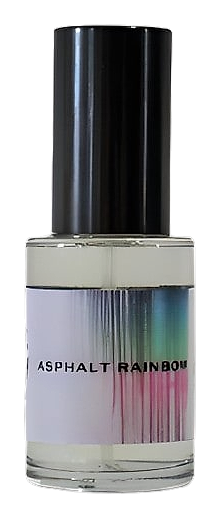
The name Charenton Macerations carries deliberate weight. Charenton is a district in eastern Paris, historically associated with the Maison de Charenton, a notorious asylum that operated from the 17th century through the 20th century. The reference to maceration, a perfume-making technique involving the slow steeping of materials, reinforces the brand's thematic interest in patience, transformation, and the soaking of ideas over time. This naming strategy signals a brand that draws from historical darkness and unconventional sources for inspiration. Douglas Bender, identified in fragrance community coverage as a fragrance consultant, established Charenton Macerations as an independent project outside the structure of larger fragrance houses. Unlike brands backed by luxury conglomerates, Charenton Macerations operates with the flexibility typical of indie perfumery, allowing conceptual choices that might not survive commercial review. The 2012 debut of Christopher Street established the brand's signature approach: fragrances rooted in specific places, histories, and cultural moments rather than abstract olfactive categories. The Christopher Street fragrance draws its narrative from a street in Manhattan's West Village that became a center of LGBTQ+ life and activism, particularly following the Stonewall uprising of 1969. This connection to lived history and community memory distinguishes the brand's storytelling from typical fragrance briefs. Asphalt Rainbow (2015) continued this approach, exploring themes of urban landscape and contemporary experience. Eye, Hatshepsut (2016) extended the historical thread to ancient Egypt, referencing Queen Hatshepsut and her association with expedition and discovery. Charenton Macerations operates from a conviction that fragrance should function as storytelling rather than mere scent. The brand rejects the conventions of commercial perfumery, where fragrances are often positioned around generic concepts like freshness, seduction, or luxury. Instead, each Charenton Macerations release anchors itself in a specific historical or cultural narrative, allowing the fragrance to become an olfactory extension of a story worth telling. The Christopher Street fragrance exemplifies this approach. Every element, reportedly from ingredient selection to packaging to distribution choices, connects to the narrative of the street itself. This kind of integrated conceptual work requires the perfumer to understand not just the chemistry of materials but the sociology of places, the texture of lived experience, and the challenge of translating non-visual narratives into scent. The brand's self-description emphasizes an intention to work outside what it calls the tired clichés and constraints of perfumes past. This positioning reflects a broader movement in indie perfumery toward conceptual rigor and narrative specificity. Rather than launching perpetual flankers or chasing seasonal trends, Charenton Macerations releases fragrances that feel like singular statements, each with a defined story and a reason to exist beyond commercial appeal. The small output, typically one or two releases per year, suggests a deliberate pace that allows each project to receive full attention.