
Heritage
A house, in its own words
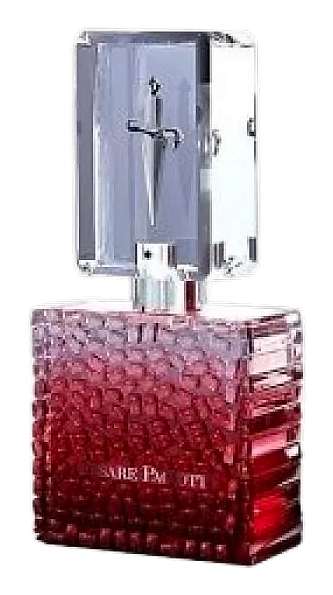
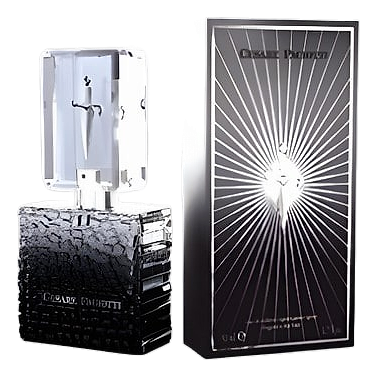
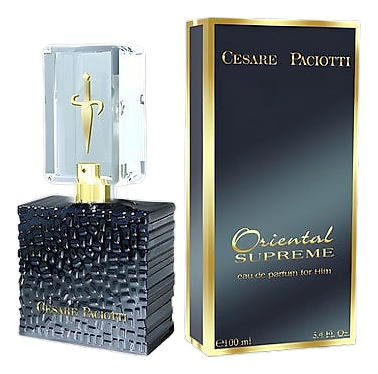
The history of Cesare Paciotti begins in 1980 when two siblings established Paciotti S.p.A. and introduced their first collection under the brand name Cesare Paciotti. The choice to name the collection after Cesare Paciotti suggests the brand honors a family figure, possibly a parent or ancestor who inspired the fashion venture. Operating as an S.p.A., the company structure indicates significant scale and permanence in Italian business terms. The siblings built the brand from its Italian roots, likely in the central regions of Italy given the surname's prevalence there, though precise location details remain scarce in available sources. From its beginnings in fashion and leather goods, the company grew to encompass a broader lifestyle offering. The expansion into fragrances occurred in 2011, representing a major milestone 31 years after the company's founding. This debut fragrance year brought both masculine and feminine interpretations to market, suggesting a deliberate strategy to address complementary segments simultaneously. The brand continued its fragrance development with the Oriental Supreme pair in 2013, indicating sustained investment in perfumery as a business direction. The progression from fashion to fragrance reflects a common trajectory among Italian luxury houses, where design identity extends across multiple product categories. Without explicit brand statements about fragrance philosophy readily available, the approach appears rooted in Italian fashion sensibilities brought to scent creation. The dual-gender launch strategy of 2011, releasing For Him and For Her simultaneously, suggests an intent to offer cohesive fragrance wardrobes rather than isolated scents. This parallel development implies the brand views fragrance as an extension of personal style rather than a standalone purchase. The subsequent Oriental Supreme line introduced in 2013 indicates the company sought to explore different fragrance families, moving from what appears to be a more straightforward approach in 2011 toward oriental compositions. The shift toward oriental themes for both masculine and feminine expressions suggests a shared olfactory language across gender lines, potentially reflecting beliefs about scent preferences transcending traditional categories. The brand reportedly maintains its fashion identity within its fragrance offerings, suggesting that bottles and packaging may echo the aesthetic established across leather goods and accessories.