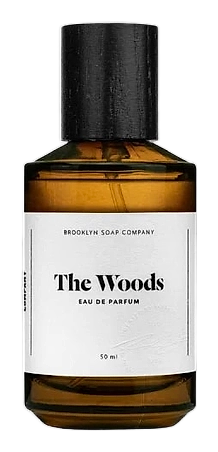

    Brand Profile

    Brooklyn Soap Company blends the grit of its namesake borough with a quiet devotion to scent. Founded in the mid‑2010s, the label offers a m…More

    United States·Est. 2015·Site

    3.7

    Rating

    The Woods Beginning by Brooklyn Soap Company – Eau de Parfum
    Best Seller
    3.7

    The Woods Beginning

    Eau de Parfum

    The Woods New Level by Brooklyn Soap Company
    Best Seller
    4.4

    The Woods New Level

    Haltane by Parfums de Marly
    Coming Soon

    Haltane

    Parfums de Marly

    Baccarat Rouge 540 by Maison Francis Kurkdjian
    Coming Soon

    Baccarat Rouge 540

    Maison Francis Kurkdjian

    Aventus by Creed
    Coming Soon

    Aventus

    Creed

    Sauvage by Dior
    Coming Soon

    Sauvage

    Dior

    The Heritage

    The Story of Brooklyn Soap Company

    Brooklyn Soap Company blends the grit of its namesake borough with a quiet devotion to scent. Founded in the mid‑2010s, the label offers a modest line of soaps, candles and niche fragrances that echo everyday moments – a rain‑slick sidewalk, a summer rooftop, a quiet library. Its most recognized scents, The Woods Beginning (2015) and The Woods New Level (2017), illustrate a progression from raw, woody notes toward a smoother, layered composition. The brand stays small, hand‑crafting each batch in a loft studio and shipping directly to a community of collectors who value authenticity over flash.

    Heritage

    Chris Collins, a former runway model who grew up in Brooklyn, launched Brooklyn Soap Company after years of experimenting with home‑made soaps in his kitchen. In 2015 he released The Woods Beginning, a fragrance built around cedar, pine and a hint of amber, which quickly attracted attention from niche‑fragrance blogs for its unpretentious approach. The following year the company expanded its product range to include hand‑poured soy candles and artisanal bar soaps, all produced in a modest loft on the Williamsburg waterfront. 2017 saw the release of The Woods New Level, a refinement that added subtle spice and softened the original’s sharp edges, signaling the brand’s willingness to revisit and evolve its own creations. By 2018 Brooklyn Soap Company partnered with a local Brooklyn artist to redesign its packaging, introducing recycled glass bottles and labels printed on reclaimed paper. The pandemic of 2020 forced the studio to shift entirely online; Collins used the downtime to refine sourcing practices, establishing direct relationships with U.S. farms for essential oils and natural butters. In 2022 the brand introduced a refill program for its candles, reducing waste and reinforcing its commitment to sustainable production. Throughout its growth, the company has remained rooted in the borough’s industrial aesthetic, drawing inspiration from the neighborhood’s warehouses, street art and community gardens. The brand’s story reflects a broader movement of small‑scale makers who prioritize craft, locality and a sense of place over mass‑market ambition.

    Craftsmanship

    Production takes place in a 1,200‑square‑foot loft that doubles as a laboratory and workshop. Each batch of soap begins with a melt‑and‑pour method that blends coconut oil, shea butter and olive oil in precise ratios, then cools under controlled temperature to preserve fragrance integrity. Candles are hand‑poured using 100 % soy wax, a choice that yields a clean burn and reduces soot. The Woods fragrances are blended in small glass vessels, where perfumers—often freelance artisans rather than in‑house staff—measure natural essential oils by weight, allowing for exact replication across batches. Ingredient sourcing emphasizes regional farms: cedarwood comes from the Pacific Northwest, while amber notes derive from sustainably harvested Baltic amber resin. Quality checks include a visual inspection for air bubbles, a scent test by a panel of three staff members, and a burn test for candles to confirm even melt pools. Packaging uses recycled amber glass for bottles and reclaimed cardboard for boxes; all inks are soy‑based. The brand maintains a strict batch‑size limit of 250 units for each fragrance, ensuring consistency and allowing the team to monitor each release closely. Documentation of each step is stored in a digital ledger, providing traceability from raw material receipt to final shipment.

    Design Language

    The visual language of Brooklyn Soap Company mirrors the borough’s industrial heritage. Bottles feature simple amber glass with a matte black cap, echoing the look of vintage apothecary containers. Labels employ a sans‑serif typeface stamped in white ink on recycled paper, giving a tactile, slightly imperfect feel. The brand’s logo—a stylized skyline silhouette—appears subtly on each product, reinforcing a sense of place without overwhelming the design. Packaging for soaps and candles incorporates kraft paper wraps tied with twine, a nod to the neighborhood’s market stalls. Seasonal collaborations introduce limited‑edition color palettes drawn from local street art, while the refill program showcases sleek, reusable glass jars that sit neatly on a windowsill. Overall, the aesthetic balances minimalism with handcrafted charm, inviting customers to display the items as functional décor rather than mere accessories.

    Philosophy

    Brooklyn Soap Company believes that scent should capture the ordinary rather than chase the extraordinary. Its creative vision centers on translating the sounds, textures and smells of daily Brooklyn life into olfactory experiences. The brand values transparency, sourcing ingredients that can be traced back to regional growers whenever possible. It avoids synthetic shortcuts, opting instead for natural essential oils, plant‑based waxes and responsibly harvested woods. Community drives the company’s decisions; feedback from local customers shapes new releases, and collaborations with neighborhood artists keep the visual language fresh. Sustainability informs every step, from using recycled packaging to offering refillable containers that extend product life. The philosophy also embraces a modest pace: rather than flooding the market with seasonal drops, the label releases a handful of carefully considered scents each year, allowing each fragrance to settle into the lives of its users.

    Key Milestones

    2015

    Launch of The Woods Beginning, the brand’s first fragrance, featuring cedar, pine and amber.

    2016

    Introduction of hand‑poured soy candles and artisanal bar soaps, expanding the product line beyond fragrance.

    2017

    Release of The Woods New Level, a refined version that added spice and softened the original’s edge.

    2018

    Collaboration with a Brooklyn artist to redesign packaging using recycled glass and reclaimed paper.

    2020

    Full shift to online sales during the COVID‑19 pandemic; direct sourcing agreements with U.S. farms were established.

    2022

    Launch of a refillable candle program, reducing waste and reinforcing sustainable practices.

    At a Glance

    Brand profile snapshot

    Origin

    United States

    Founded

    2015

    Heritage

    11

    Years active

    Collection

    1

    Fragrances released

    Avg Rating

    3.7

    Community sentiment

    Release Rhythm

    2017
    1
    2015
    1
    brooklynsoapcompany.com

    Did You Know?

    Interesting Facts

    Distinctive details and defining moments that shape the house personality.

    01

    Founder Chris Collins transitioned from a career on the runway to fragrance after a personal experiment with homemade soap in his apartment.

    02

    The Woods fragrances are named after the wooded areas of Prospect Park, a frequent walking route for the founder.

    03

    Brooklyn Soap Company sources its cedarwood from a family‑owned mill in Oregon that practices selective harvesting to preserve forest health.

    04

    All candle wicks are made from braided cotton, hand‑cut to ensure a steady, even flame.

    05

    The brand’s refill jars are produced in a local Brooklyn glassworks that repurposes glass cullet from discarded bottles.

    The Artisans

    The Perfumers