Heritage
A house, in its own words
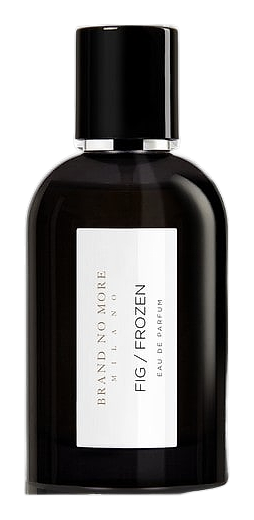
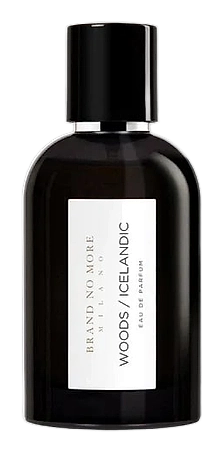
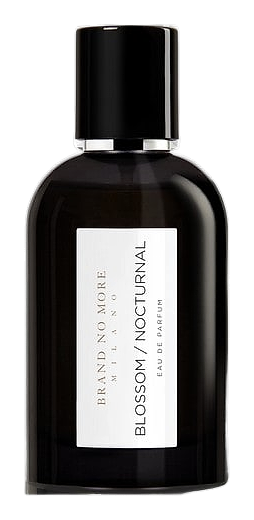
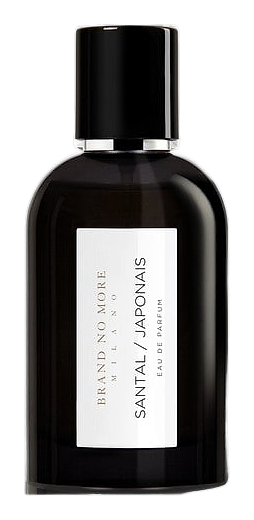
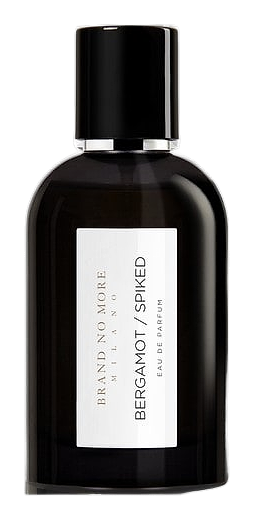
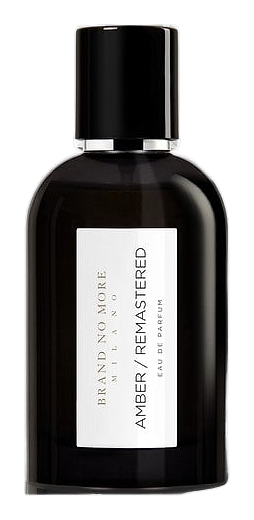
The origins of Brand No More are not widely documented in mainstream perfume histories. According to the brand’s own statements, a small collective of independent perfumers launched the label in early 2021, motivated by a desire to strip fragrance down to its essential character. The founders have not disclosed individual names, but industry observers have linked the venture to a group of former consultants who previously worked on limited‑edition projects for European niche houses. The first six fragrances all debuted in the same year, suggesting a coordinated launch strategy rather than a gradual rollout. By late 2022 the brand secured a modest distribution agreement with a specialty retailer in London, marking its first physical presence outside online channels. In 2023 a collaboration with a Scandinavian design studio resulted in a limited‑edition bottle series that emphasized recycled glass and matte black caps, reinforcing the label’s minimalist ethos. A 2024 sustainability report, posted on the brand’s website, claimed that 85 % of its raw materials were sourced from certified suppliers, though third‑party verification of the claim has not been published. Throughout its brief history the label has remained deliberately small, releasing no more than a handful of scents each year and avoiding the typical celebrity‑endorsement campaigns that dominate larger perfume houses. Brand No More articulates a philosophy centred on restraint and clarity. The brand’s narrative, as gathered from interviews with its creative team in niche‑fragrance podcasts, emphasizes the idea that a perfume should act as a single brushstroke rather than a full‑canvas painting. This approach aligns with a broader movement among younger perfumers who favour ingredient‑focused storytelling over complex accords. The label states that it values transparency in sourcing, aiming to work only with suppliers who can trace their raw materials back to origin farms or labs. Ethical considerations are said to guide decisions on animal‑derived ingredients, with the brand reportedly avoiding musk and civet unless certified cruelty‑free. Creative direction is described as collaborative: each fragrance is said to emerge from a dialogue between the perfumer and a small advisory panel that includes designers, musicians, and visual artists, all of whom contribute a single perspective to the final scent. The result, according to the brand, is a collection of olfactory sketches that invite wearers to fill in the gaps with personal memory and context.