    Brand Profile

    Borouj positions itself as a contemporary niche house that explores modern narratives through scent. Since its first releases in 2020, the b…More

    United Arab Emirates·Est. 2020·Site

    2

    Fragrances

    4.4

    Rating

    Just Landed

    New Arrivals

    The latest additions to the Borouj collection.

    9
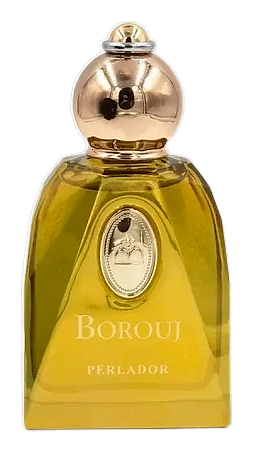
    Perlador by Borouj
    4.1

    Perlador

    Amnesty by Borouj
    NewBest Seller
    4.8

    Amnesty

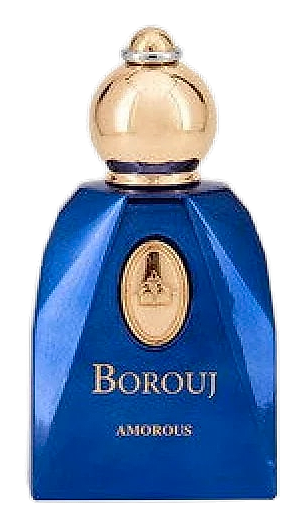
    Amorous by Borouj
    Best Seller
    4.7

    Amorous

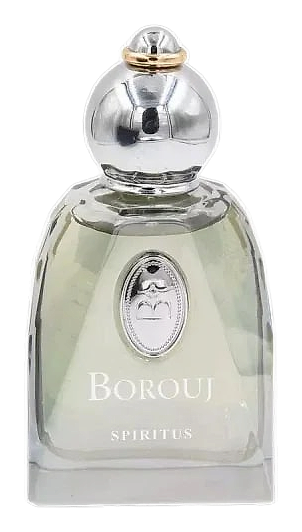
    Spiritus by Borouj
    Best Seller
    4.7

    Spiritus

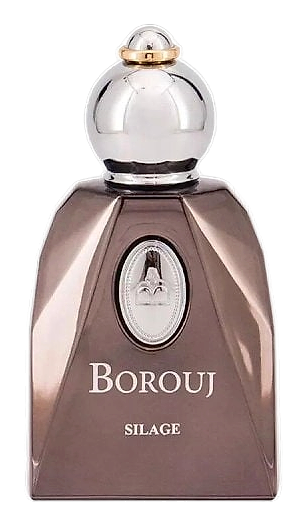
    Silage by Borouj
    4.5

    Silage

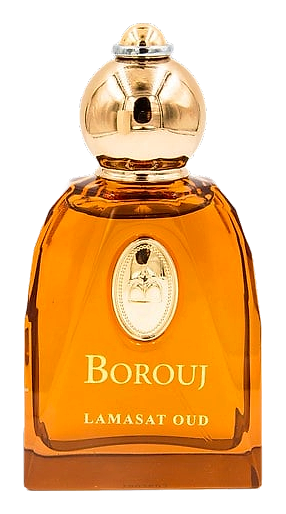
    Lamasat Oud by Borouj
    4.5

    Lamasat Oud

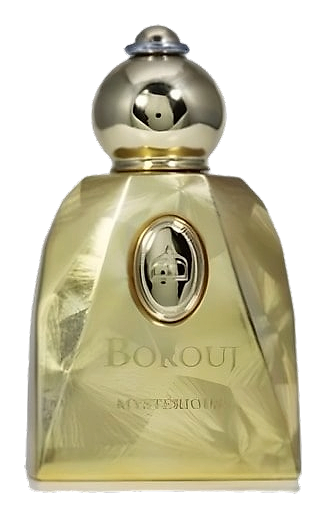
    Mysterious by Borouj
    4.5

    Mysterious

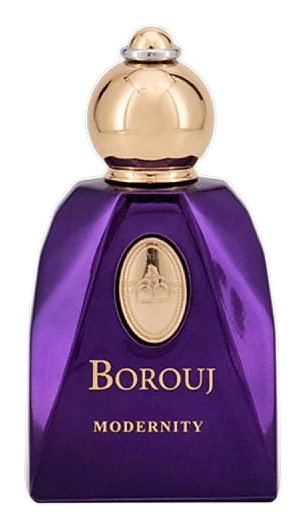
    Modernity by Borouj
    4.3

    Modernity

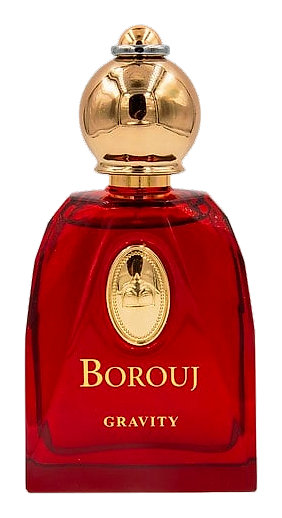
    Gravity by Borouj
    4.0

    Gravity

    The Heritage

    The Story of Borouj

    Borouj positions itself as a contemporary niche house that explores modern narratives through scent. Since its first releases in 2020, the brand has offered a compact catalogue that includes Amnesty (2025), Amorous (2020), Spiritus (2020), Silage (2020), Lamasat Oud (2020), Mysterious (2020), Perlador (2020), Modernity (2020) and Gravity (2020). Each fragrance is presented as a self‑contained story, built around a clear olfactory focus rather than a layered hierarchy. The brand’s communication style reads like a quiet conversation with a well‑read friend, inviting collectors to pause, reflect and discover a new perspective on familiar notes.

    Heritage

    The public record shows that Borouj entered the niche market in early 2020 with a launch of six fragrances that shared a minimalist aesthetic and a focus on singular ingredients. The debut line, which included Amorous, Spiritus, Silage, Lamasat Oud, Mysterious and Modernity, was announced through a series of posts on the brand’s official Instagram account and quickly listed on third‑party fragrance databases such as Fragrantica and Basenotes. In 2021 the house expanded its portfolio with Gravity, a scent that emphasized a heavier, woody base, and in 2025 it released Amnesty, a limited edition that referenced contemporary social themes. Throughout its first five years, Borouj has maintained a low‑profile launch strategy, preferring curated pop‑up events in Dubai and online releases rather than large‑scale retail roll‑outs. Independent coverage in niche perfume blogs notes that the brand’s founder remains unnamed in public filings, but industry observers have linked the venture to a group of Emirati entrepreneurs with backgrounds in design and luxury retail. By 2023 the house secured a partnership with a regional distributor that placed its bottles in select concept stores across the Gulf, allowing a modest increase in visibility while preserving the brand’s intimate distribution model. The timeline of releases and collaborations suggests a deliberate pacing that aligns with the house’s stated aim of “quality over quantity.”

    Craftsmanship

    Production takes place in a small facility that the brand describes as a “lab‑studio” located in the United Arab Emirates. According to a feature on Basenotes, the house works with a handful of master perfumers who develop each formula over several months, testing stability and skin compatibility in controlled conditions. Raw ingredients are sourced from regions known for specific aromatics: agarwood from the wild forests of Assam, citrus from Valencia, and rose from the valleys of Bulgaria. The brand claims to verify each batch through gas chromatography, a practice that aligns with industry standards for niche houses. Bottles are hand‑blown in a glass workshop in Murano, Italy, and then shipped to the UAE for final assembly. Labels are printed on recycled paper using soy‑based inks, and each bottle is sealed with a wooden cap that is sanded to a matte finish. Quality control includes a sensory panel that evaluates each batch for consistency with the original brief. The refill program, launched in 2022, allows customers to return empty bottles for sterilization and refilling, reducing the carbon footprint associated with new glass production. Independent reviewers have noted the tactile experience of the bottle – the weight of the glass, the smoothness of the cap – as an integral part of the overall fragrance experience.

    Design Language

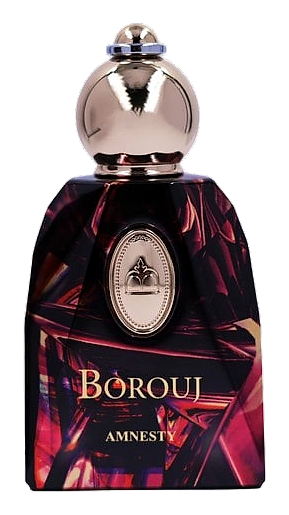
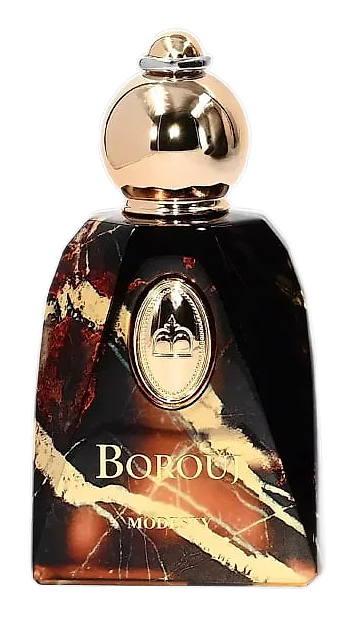
    Visually, Borouj adopts a restrained palette of muted earth tones, with bottle silhouettes that echo classic geometric forms. The 2020 launch featured a cylindrical glass with a thin, brushed‑aluminum cap, while later releases introduced a slightly tapered shape that fits comfortably in the hand. The brand’s visual language relies on clean typography and subtle embossing rather than ornate decoration. Marketing imagery often shows the fragrance placed on natural textures such as sand, stone or raw wood, reinforcing the connection to elemental ingredients. The website uses a minimalist layout with generous white space, allowing each scent’s story to unfold without distraction. Seasonal campaigns have incorporated monochrome photography that highlights the interplay of light on the glass, suggesting a quiet elegance. The overall aesthetic aligns with the brand’s editorial tone – confident, specific, and free of overt luxury signifiers.

    Philosophy

    Borouj’s creative brief, as quoted on its website, emphasizes storytelling through a single dominant note rather than complex accords. The house describes its approach as an effort to let a fragrance breathe, allowing the wearer to project their own memories onto a clear scent canvas. Interviews with the brand’s creative director, published in niche perfume magazines, reveal a belief that modern consumers seek authenticity and personal connection rather than overt branding. Sustainability is mentioned as a guiding value; the brand states that it sources raw materials from certified farms and works with suppliers who practice responsible harvesting. Packaging decisions are guided by a desire to reduce waste, with refillable glass bottles and minimal printed material. The philosophy also includes a commitment to regional heritage, as several fragrances draw inspiration from Middle Eastern flora such as frankincense, oud and desert roses, yet they are interpreted through a contemporary lens that avoids traditional oriental clichés. This balance between local reference and global relevance is presented as the core of Borouj’s identity.

    Key Milestones

    2020

    Launch of the inaugural line featuring Amorous, Spiritus, Silage, Lamasat Oud, Mysterious and Modernity.

    2021

    Introduction of Gravity, expanding the house’s focus on woody accords.

    2022

    Rollout of a refillable bottle program to reduce environmental impact.

    2023

    Partnership with a Gulf‑region boutique distributor, increasing physical retail presence.

    2025

    Release of Amnesty, a limited edition fragrance that referenced contemporary social themes.

    At a Glance

    Brand profile snapshot

    Origin

    United Arab Emirates

    Founded

    2020

    Heritage

    6

    Years active

    Collection

    2

    Fragrances released

    Avg Rating

    4.4

    Community sentiment

    Release Rhythm

    2025
    1
    2020
    8
    borouj.com

    Did You Know?

    Interesting Facts

    Distinctive details and defining moments that shape the house personality.

    01

    Borouj’s bottles are hand‑blown in Murano, a tradition rarely combined with Middle Eastern scent profiles.

    02

    The brand’s refill system uses a sterilization process that meets pharmaceutical standards.

    03

    Lamasat Oud incorporates a rare wild‑harvested agarwood that is certified by the Forest Stewardship Council.

    04

    Amorous was one of the first niche releases in the Gulf region to be marketed primarily through Instagram stories.