Heritage
A house, in its own words
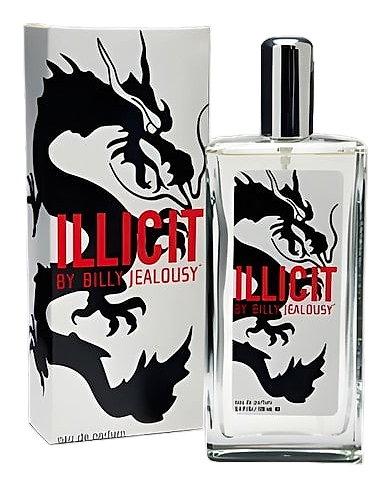
Pat Parsi and Danielle Rouso established Billy Jealousy in 2004 with a clear focus on men's professional grooming products. Rather than launching directly into retail or department store channels, the founders chose to build credibility within the salon and barbershop trade first. This professional-first strategy meant their products earned validation from working stylists and barbers who used them daily with clients. The company name itself carries a playful nod to attraction and desire, themes that later informed their entry into fragrance. By establishing relationships with salon owners and grooming professionals early on, Billy Jealousy created a distribution network that doubled as informal marketing. When the company introduced its first fragrances, it carried the endorsement of professionals who had already trusted the brand's grooming products. Over more than two decades in business, the company has maintained its presence in professional environments while expanding accessibility to individual consumers. The 2006 launch of Illicit marked their initial fragrance statement, followed by additional scent offerings as the brand grew. TricorBraun, a packaging supplier, has documented Billy Jealousy as a case study in successful men's grooming brand development, noting the founders' goal of creating a professional-grade product line. Billy Jealousy operates from a professional's perspective, developing products that must satisfy the standards of working barbers and stylists rather than casual consumers browsing retail shelves. The brand believes that men's grooming products should deliver measurable performance in demanding environments where results affect client satisfaction and professional reputation. This practitioner-minded approach shapes decisions across formulation, packaging, and distribution. Rather than leading with marketing language or trend-driven positioning, Billy Jealousy lets professional adoption drive awareness. The brand name itself suggests an understanding of attraction and personal presentation as social dynamics, informing their fragrance development with an awareness of how scent functions in human connection. They approach fragrance creation as an extension of grooming rather than a separate luxury category, emphasizing that scent should complement a complete grooming regimen. The company's long-standing relationships with salon professionals provide ongoing feedback that shapes product evolution, keeping the brand connected to real-world usage rather than abstract consumer desires.