








Heritage
A house, in its own words
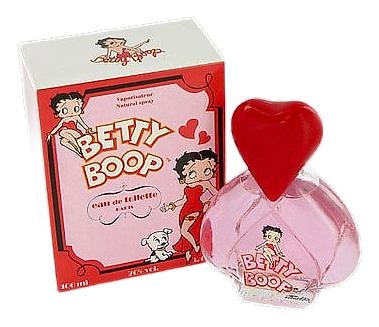
The Betty Boop fragrance collection traces its creative lineage to one of animation's most recognizable figures. Max Fleischer created Betty Boop at Fleischer Studios in New York, with the character first appearing in 1930. Originally drawn as a dog-like supporting character in the cartoon series "Dizzy Dishes," Betty evolved rapidly into the big-eyed, curvy flapper that became a cultural sensation. The character's signature look, oversized eyes, simplified features, and flapper wardrobe captured the spirit of Jazz Age sophistication. In a notable 1934 court case involving Paramount Pictures and the Fleischer Studios, Betty Boop was described as combining in appearance the childish with the sophisticated, a duality that would define her appeal for generations. The character proved so popular that she starred in numerous solo cartoons and became a symbol of Depression-era entertainment. Following the original studio's closure, Betty Boop entered a period of licensing partnerships that extended her image across consumer products. The fragrance line, launched in 1994, represented a natural evolution of this licensing strategy, translating the cartoon's visual identity into a tangible luxury product category. The collection expanded significantly in 2011 with the introduction of multiple flankers, capitalizing on renewed interest in retro aesthetics and nostalgia marketing. Subsequent launches in 2020 and 2021 brought the line to 11 documented fragrances. The Betty Boop fragrance collection operates on a philosophy of accessible nostalgia and playful self-expression. Rather than attempting to establish perfumery credentials through traditional means, the brand leverages the emotional resonance of a beloved cartoon character to create an immediate connection with consumers. The fragrances typically feature bright, youthful compositions designed to evoke optimism and lighthearted femininity. Marketing materials for the collection emphasize the character's spirit of independence and confidence, qualities that translate into a fragrance philosophy centered on personal enjoyment rather than conformity to fragrance conventions. The brand positions itself as fun and approachable, with packaging and naming conventions that reference the cartoon's playful tone. Fragrance descriptions highlight fruity and floral notes that align with an energetic, youthful aesthetic. The philosophy extends to accessibility, with the collection generally positioned at moderate price points that welcome new consumers into fragrance wearing without intimidating them with complexity or formality. This democratizing approach reflects the character's original appeal, which transcended demographic boundaries during the Depression era.