

The Heritage
The Story of Bernd Berger
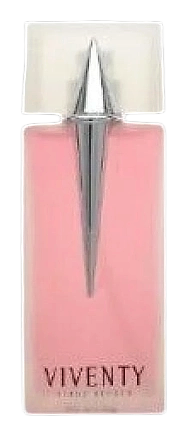
Bernd Berger, known internationally as Maison Berger, blends the science of air purification with the art of fragrance. Founded in France at the turn of the 20th century, the house creates catalytic lamps that burn scented oils while neutralising odours. Today the brand offers a curated line that includes Solo Viventy, Viventy (1998) and Aqua di Viventy, each designed to scent a room without overwhelming the senses. The products sit at the intersection of functional design and olfactory storytelling, inviting homes to breathe more freely while surrounding occupants with subtle, crafted aromas.
Heritage
The story begins in 1897 when Maurice Berger, a pharmacy technician in Paris, opened a modest workshop to address a pressing health concern: the spread of bacterial contamination in hospitals and morgues. On June 16, 1898 he filed a patent for a catalytic lamp that could burn a mixture of alcohol and essential oils, producing a flame that oxidised airborne microbes while releasing fragrance. The invention, marketed as the Lampe Berger, received official recognition from the French government in 1901, which awarded Berger a commendation for his contribution to public health. By 1910 Berger opened a storefront at 18 rue Duphot, where the lamps quickly attracted the attention of Parisian boutiques and aristocratic households. Throughout the 1920s and 1930s the brand expanded across Europe, positioning its lamps in department stores and luxury hotels. World War II disrupted production, but the company resumed manufacturing in the post‑war era, adapting the original catalytic technology to new scent families that reflected contemporary tastes. In the 1990s Maison Berger refreshed its portfolio, introducing modern glass designs and a broader range of fragrance notes, while preserving the original purification principle. The early 2000s saw the launch of the Solo Viventy line, a single‑note offering that highlighted the purity of the oil itself. Recent years have brought collaborations with interior designers and the introduction of limited‑edition scents such as Aqua di Viventy, which draws inspiration from coastal breezes. Over more than a century, the brand has remained anchored in its founding mission: to combine health‑focused technology with refined olfactory experiences for the home.
Craftsmanship
Every Berger lamp begins with a hand‑blown glass vessel that is cut, polished and annealed to exacting tolerances. The glass is sourced from French manufacturers that meet ISO 9001 standards, ensuring consistency in thickness and clarity. Inside the vessel sits a ceramic wick holder that regulates the flow of ethanol‑based oil, a design that has remained largely unchanged since the original 1898 patent. The fragrance oils themselves are blended in small batches by trained perfumers who balance natural extracts—such as bergamot, jasmine, cedarwood—and synthetics that enhance longevity. Ingredient sourcing follows a traceability protocol: botanical extracts are purchased from certified growers in France, Italy, Grasse and other traditional perfume regions, while synthetic aroma chemicals are obtained from suppliers that comply with REACH regulations. Quality control includes gas‑chromatography analysis of each batch to confirm concentration levels and to verify that the catalytic combustion reduces volatile organic compounds to safe limits. Once the oil is mixed, it is filtered through a stainless‑steel mesh before being poured into the lamp’s reservoir. The final assembly is performed by artisans who test each unit for flame stability, scent diffusion rate and overall aesthetic finish. Each lamp carries a serial number that links it to a production log, allowing the brand to track performance data over time and to issue recalls if any deviation from standards occurs. This rigorous process reflects a commitment to both the scientific integrity of the purification system and the sensory quality of the fragrance.
Design Language
Berger’s visual language balances classic elegance with modern minimalism. The primary silhouette—a tall, slender glass column—echoes Art Deco proportions while the clean lines keep the design contemporary. The brand favours a muted palette of clear glass, brushed brass and matte black accents, allowing the colour of the fragrance oil to become the focal point. Labels are typographically restrained, using a sans‑serif font that aligns with the brand’s understated approach. Seasonal collections often introduce subtle variations, such as frosted glass for winter releases or a brushed copper finish for summer editions, but the core shape remains instantly recognisable. Packaging reinforces the artistic narrative: each lamp arrives in a rigid, recyclable box lined with soft tissue printed with abstract brush strokes that hint at the scent’s inspiration. The brand’s advertising imagery frequently places the lamp in elegantly staged interiors, highlighting how the product integrates with furniture, lighting and décor rather than dominating the space. This aesthetic strategy positions the lamp as both a functional object and a decorative accent, appealing to consumers who value design coherence in their living environments.
Philosophy
Berger’s creative vision rests on two pillars: functional purity and artistic expression. The brand treats each lamp as a miniature sculpture that serves a practical purpose, believing that a well‑ventilated space enhances wellbeing as much as a pleasing scent. Sustainability informs ingredient selection; many of the oils are sourced from regions with established agricultural standards, and the company favours renewable ethanol as its fuel base. Transparency guides the formulation process: fragrance blends are disclosed to the extent that trade secrets allow, and the company conducts regular laboratory testing to verify that the catalytic reaction reduces airborne bacteria without producing harmful by‑products. Maison Berger also embraces a heritage‑driven aesthetic, allowing historic design cues to inform contemporary product development. The brand’s values include respect for craftsmanship, a commitment to continuous improvement of the catalytic system, and an emphasis on creating atmospheres that support both relaxation and social interaction. By treating scent as an element of interior design rather than a mere accessory, Berger encourages consumers to think of fragrance as a subtle layer that shapes mood and memory.
Key Milestones
1897
Maurice Berger opens a small workshop in Paris to develop a catalytic air‑purifying lamp.
1898
Berger files the first patent for the Lampe Berger, introducing a flame‑based system that neutralises odours while diffusing fragrance.
1901
The French government awards Berger a commendation for his contribution to public health and hygiene.
1910
A flagship boutique opens at 18 rue Duphot, expanding the brand’s presence among Parisian elite and department stores.
1945
Post‑World War II production resumes, with new glass designs reflecting emerging Art Deco trends.
1998
Maison Berger launches the Viventy line, marking a modern reinterpretation of classic scent families.
At a Glance
Brand profile snapshot
Origin
France
Founded
1898
Heritage
128
Years active
Collection
1
Fragrances released
Avg Rating
3.3
Community sentiment


