Heritage
A house, in its own words
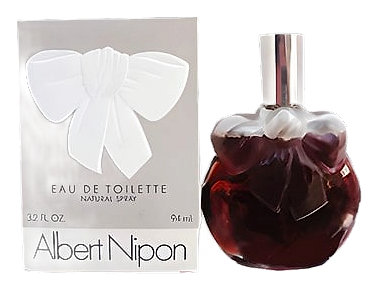
Albert Nipon was born on September 11, 1927, and became a notable figure in American fashion during the latter half of the twentieth century. His entry into the fashion industry began in an unexpected corner: maternity wear. In 1955, he established Ma Mere, a maternity clothing company that marked his first venture into designing for women. The company found distribution through Saks Fifth Avenue, placing Nipon's work alongside other American designers at one of the nation's premier department stores. This early placement at a prestigious retailer established his trajectory in the fashion business. By the 1970s, Nipon had built his own label, Albert Nipon, which focused on women's clothing, particularly separates and coordinate pieces designed for the working woman. His approach centered on practical elegance, creating garments that could transition from office to evening wear. The timing of his fashion house's growth coincided with an expansion period for American designers establishing their identities in the competitive New York market. Fashion Avenue, the nickname for Seventh Avenue's garment district, served as the epicenter of this industry, and Nipon operated within this ecosystem of designers and manufacturers. His ability to produce clothing at various price points while maintaining a cohesive design vision contributed to his success during this era. The decision to extend the brand into fragrance represented a natural progression for fashion houses of the period, allowing customers to engage with the Nipon aesthetic beyond clothing. Nipon passed away on November 20, 2022, concluding the career of a designer whose influence extended across three decades of American fashion. Albert Nipon built his fashion house on principles of practical sophistication that addressed the real needs of women navigating professional and social lives. Rather than producing dramatic statement pieces or following seasonal fashion cycles with extreme trends, Nipon focused on creating versatile wardrobes that women could assemble and reassemble across occasions. His separates and coordinates allowed for personalization while ensuring cohesion within a wardrobe. This approach reflected a distinctly American sensibility that valued function alongside appearance, a philosophy that extended naturally into his fragrance development. The decision to name the 1983 perfume simply Albert Nipon, after the label itself, signaled a direct connection between his clothing philosophy and his scent. Rather than inventing an elaborate fragrance concept or targeting a narrow demographic, he created a fragrance meant to complement his clothing line's wearer. The woody spicy character of the scent aligned with the polished but understated image of the fashion house. This integrated approach, where fragrance functioned as an accessory rather than a standalone luxury, characterized the strategy of many mid-market American fashion houses during the 1970s and 1980s. Nipon's philosophy prioritized accessibility, believing that elegant dressing should not require extensive effort or expense.