




Heritage
A house, in its own words
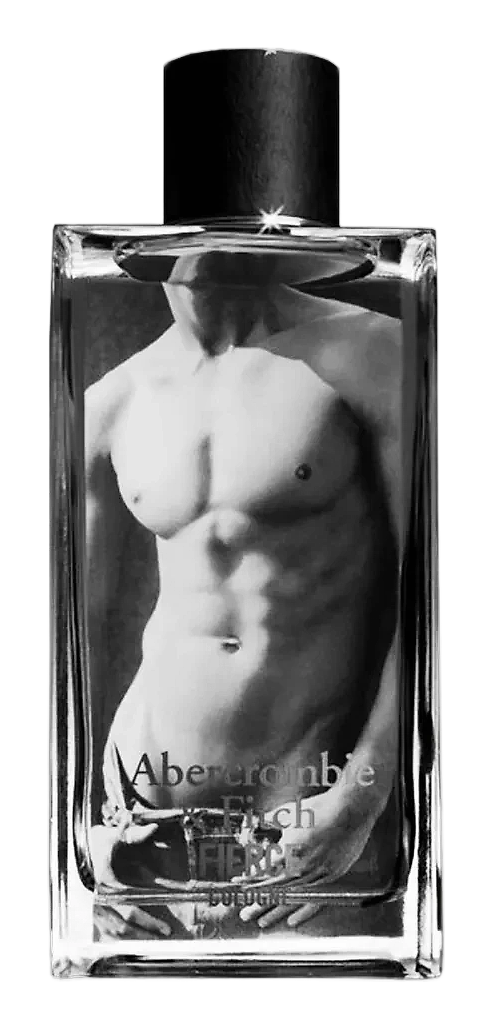
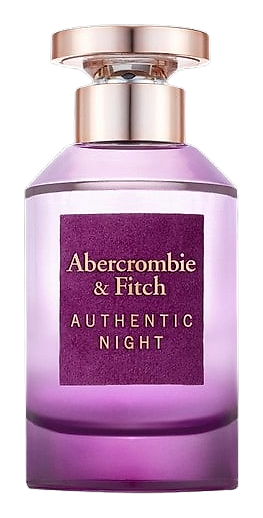
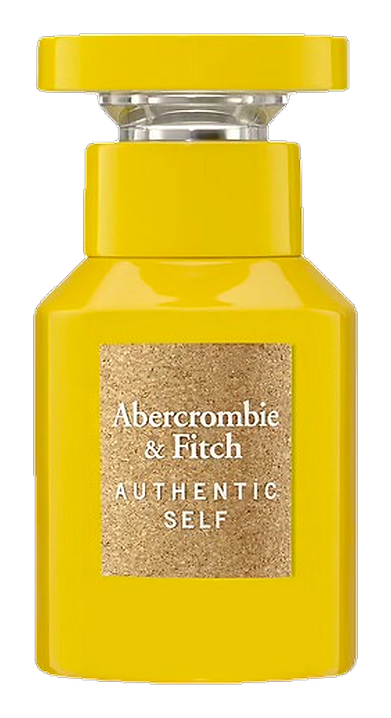
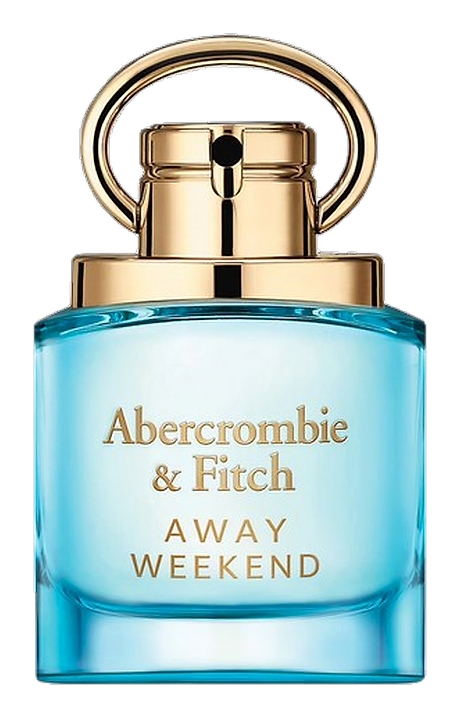
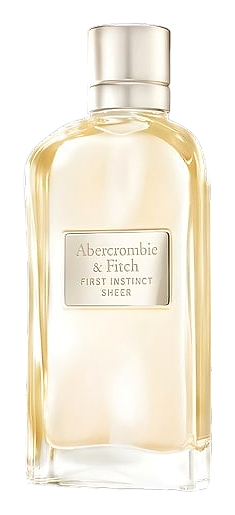
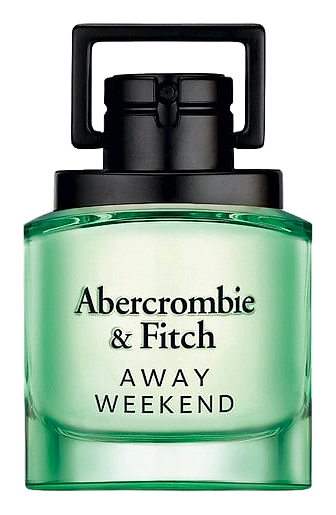
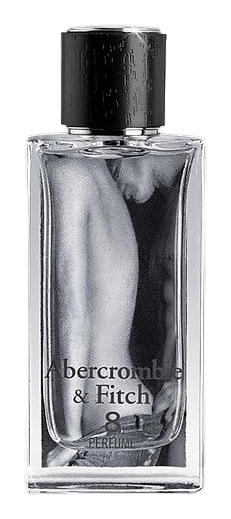
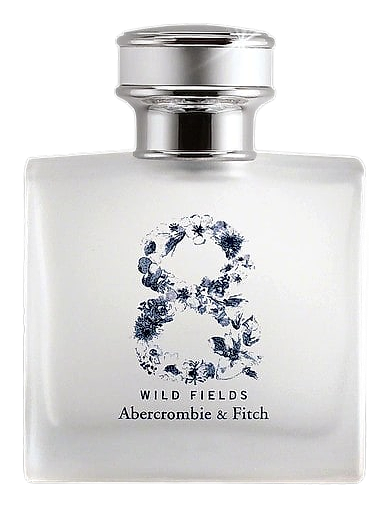
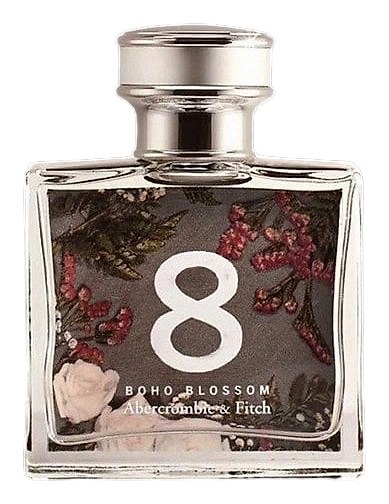
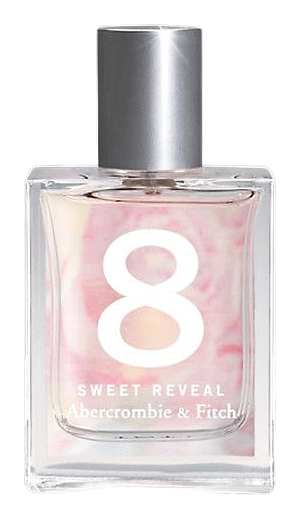
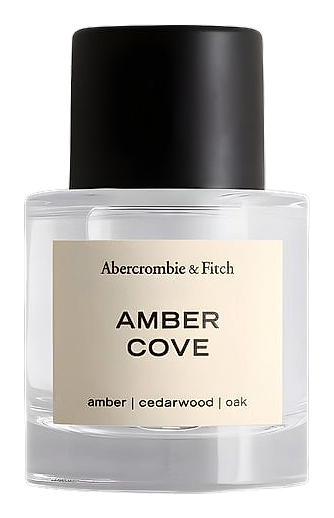
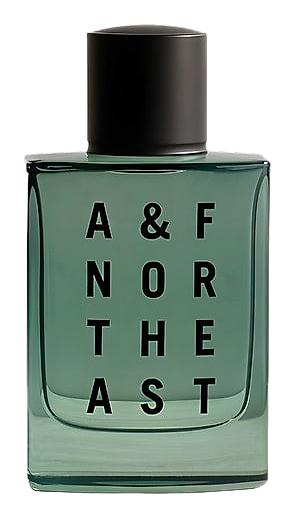
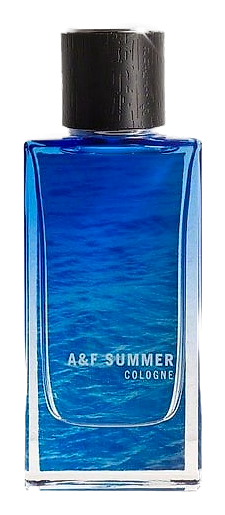
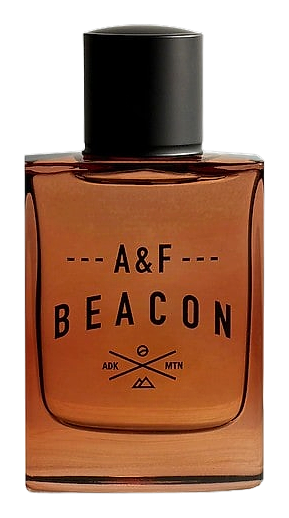
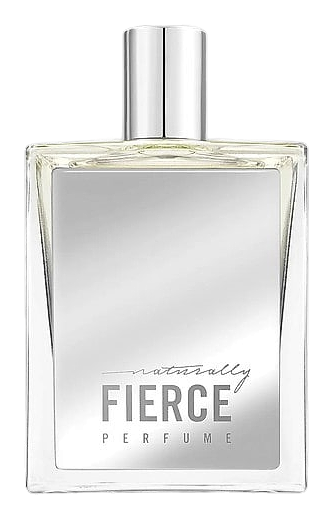
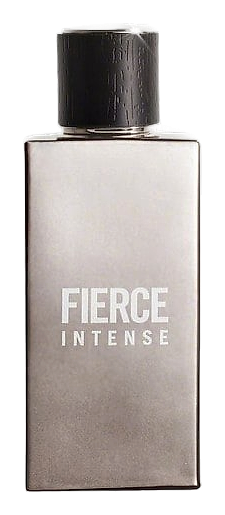
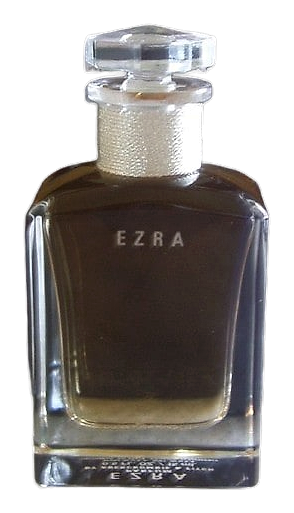
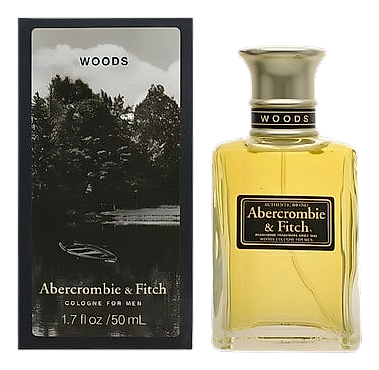
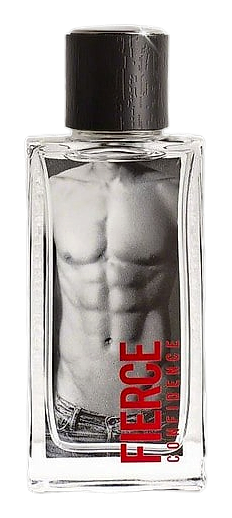
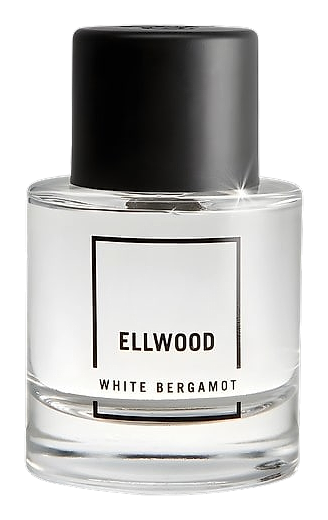
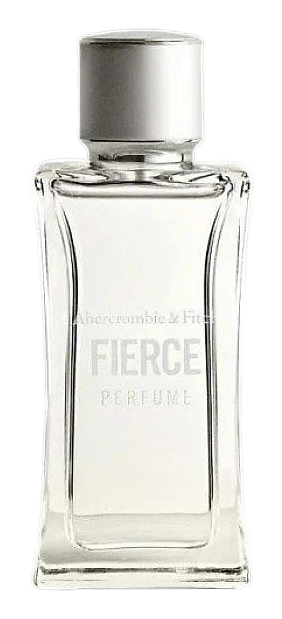
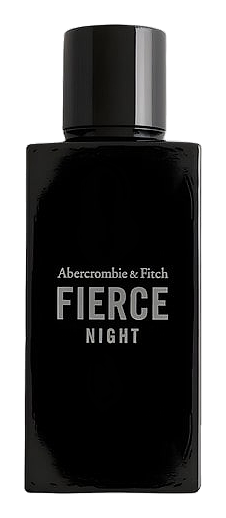
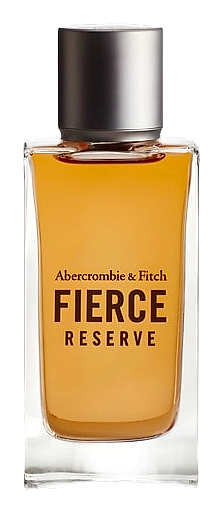
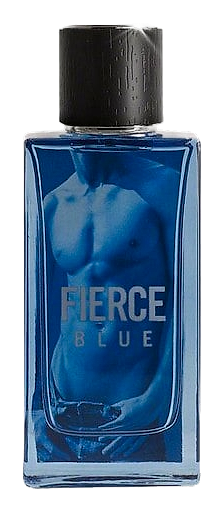
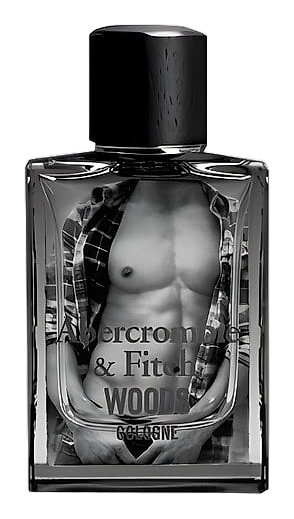
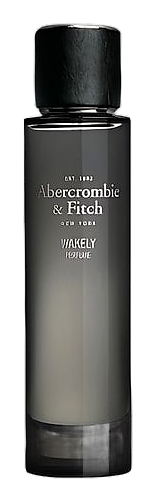
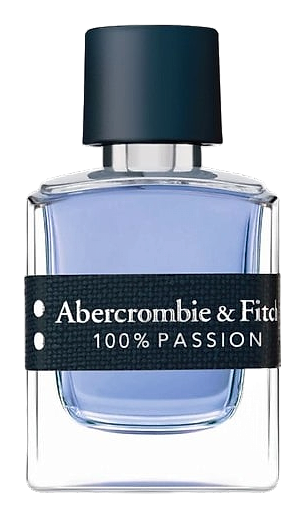
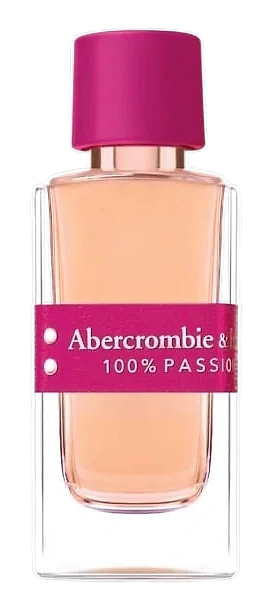
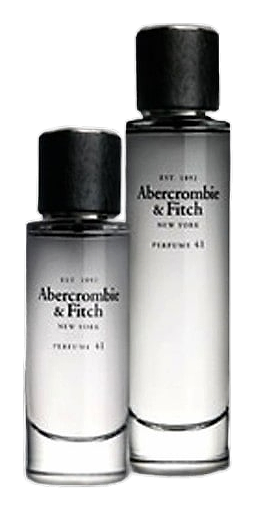
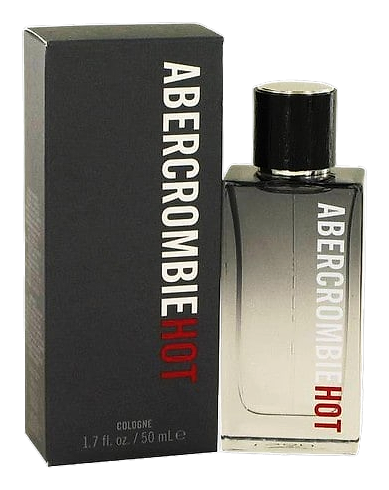
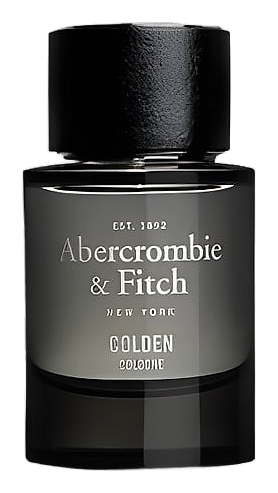
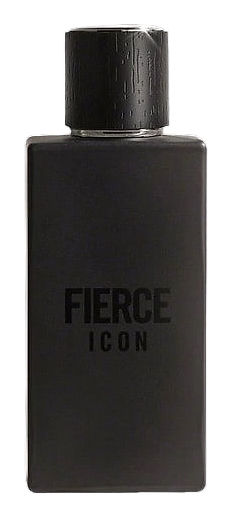
David T. Abercrombie opened the first Abercrombie store in New York City in 1892, selling high‑quality camping, fishing and hunting equipment. In 1904 Ezra Fitch joined as a partner, prompting the name change to Abercrombie & Fitch Co. The company survived two world wars by supplying gear to the U.S. military, then pivoted in the 1980s toward casual apparel for a younger market. By the early 2000s the brand’s stores featured a signature scent in the lobby, a strategy that led to the creation of its first fragrance, Fierce, in 2002. The cologne was developed by the French fragrance house Mane and perfumers Christophe Laudamiel and Bruno Jovanovic, quickly becoming a cultural touchstone for the brand’s campus‑style image. Building on that momentum, Abercrombie released Ezra Fitch in 2006, a woody aromatic that referenced the co‑founder’s name. The 8 series arrived in 2013, using a numeric naming convention to signal seasonal collections; titles such as 8 Pure Summer (2013) and 8 Wild Fields (2017) highlighted fresh, nature‑derived accords. In 2011 the brand introduced A&F 1892 Green, a nod to its outdoor origins, while 2014 saw the launch of Fierce Intense, a deeper version of the original. Recent releases, including Hempstead (2017) and Ellwood White Bergamot (2017), continue the pattern of blending classic American motifs with modern perfumery techniques. Over more than a century, Abercrombie & Fitch has shifted from rugged gear to lifestyle branding, using fragrance as a bridge between its heritage and contemporary culture. Abercrombie & Fitch approaches scent as an extension of its lifestyle narrative. The brand seeks to capture the optimism of youth, the freedom of the outdoors and the confidence of modern American culture. Creative briefs emphasize authenticity, encouraging perfumers to reference natural elements such as pine, citrus and coastal breezes while avoiding overly abstract concepts. The company values consistency across its product lines, ensuring that a fragrance can sit alongside denim, tees and accessories without feeling out of place. Sustainability has entered recent briefings, with a growing focus on responsibly sourced ingredients and recyclable packaging. The brand also respects the role of scent in retail, using fragrance to shape the in‑store atmosphere and reinforce a cohesive brand experience. By aligning fragrance development with its broader visual and cultural cues, Abercrombie aims to create a recognizable olfactory signature that feels both familiar and fresh to its core audience.