





Heritage
A house, in its own words
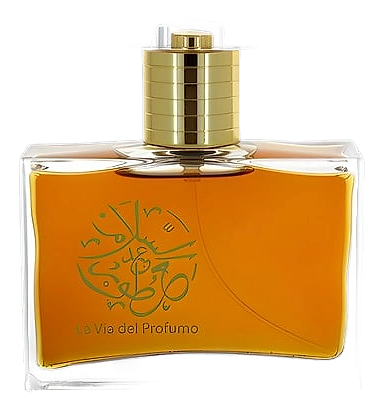
Dominique Dubrana was born in France and spent his formative years in an environment that would later shape his spiritual trajectory. After converting to Sufism, he adopted the name AbdesSalaam Attar, signaling both a religious commitment and a new creative identity. The house, known as La Via del Profumo, was established in 1988, marking the beginning of Dubrana's formal practice as a natural perfumer. Italian by adoption, he built his workshop and retail space in Rimini, a coastal city on Italy's Adriatic shore, where he lives with his wife and two daughters. The decision to locate in Italy rather than the traditional French perfume centers of Grasse represented a conscious departure from industry conventions. His background as a Frenchman turned Sufi Muslim gave his work a distinctive cross-cultural character, drawing on Islamic perfumery traditions, European olfactory sensibilities, and Italian craftsmanship. Over the decades, the house has grown from a small atelier to an internationally recognized indie perfumery, though it has maintained its intimate scale and hands-on approach. Each fragrance carries the marks of Dubrana's personal journey, his spiritual practice, and his deep engagement with natural raw materials. For AbdesSalaam Attar, perfumery is inseparable from spirituality. His work is grounded in the Sufi tradition, which holds that scent can be a vehicle for transcendence and divine awareness. He approaches fragrance creation not merely as a technical or commercial exercise but as a form of meditation and prayer. This spiritual orientation shapes every aspect of his practice, from the selection of ingredients to the naming of finished works. The house explicitly commits to all-natural formulations, rejecting synthetic materials entirely. Dubrana has spoken and written about the difference between natural and synthetic perfumery, arguing that natural ingredients carry a living quality and complexity that cannot be replicated in a laboratory. His perfumery philosophy emphasizes authenticity, simplicity, and the honest expression of raw materials. Rather than chasing trends or mass-market appeal, he creates fragrances that reflect his own spiritual states, memories, and aesthetic preferences. The names of his perfumes often reference Islamic culture, Italian geography, literary figures, and personal experiences, serving as poetic anchors for the scents themselves.