Viktoria Minya
Viktoria Minya grew up in Budapest, Hungary with a childhood fascination for fragrance that led her to study in Grasse, the Provençal city often called the cradle of modern perfumery. She trained for years in the same region where legendary noses once worked, absorbing the craft through rigorous study and hands-on formulation. Her breakthrough came with Hedonist, an award-winning fragrance that became a cult favorite in niche perfumery and established her as the first Hungarian woman to earn widespread recognition as a master perfumer. She runs her own house, Parfums Viktoria Minya, and teaches at Gip Grasse and Ecole Parfums Cosmetique, passing on her expertise to the next generation of perfumers. Her work bridges Eastern European heritage with French classical training, and she brings a rare combination of technical precision and creative boldness to every composition.
The hits
Notable creations
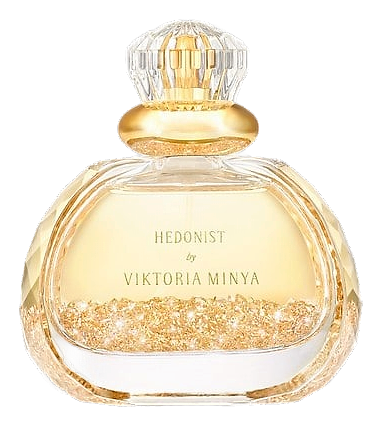
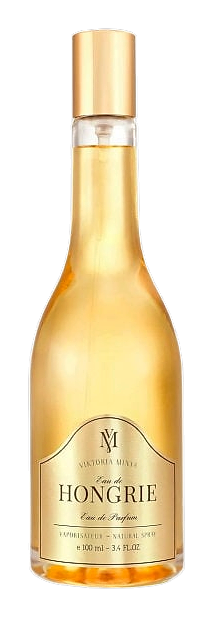
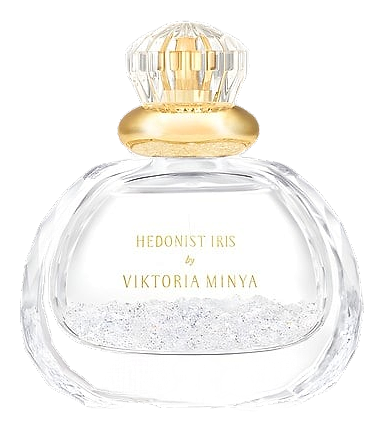
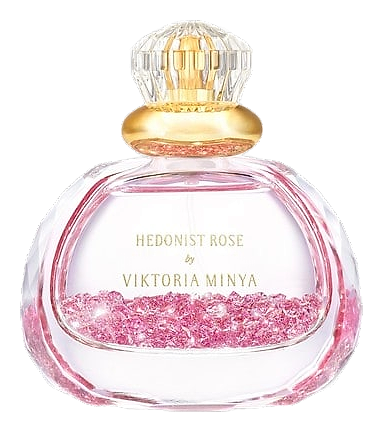
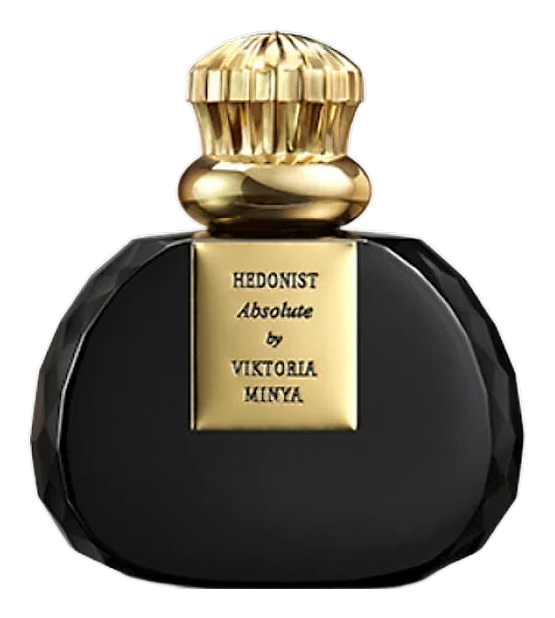
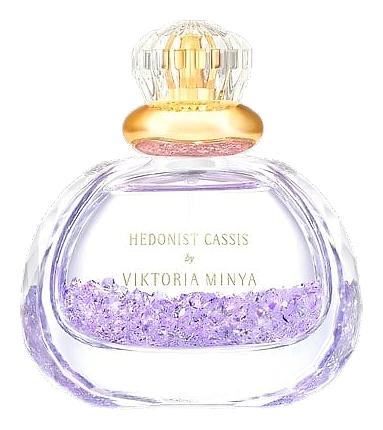
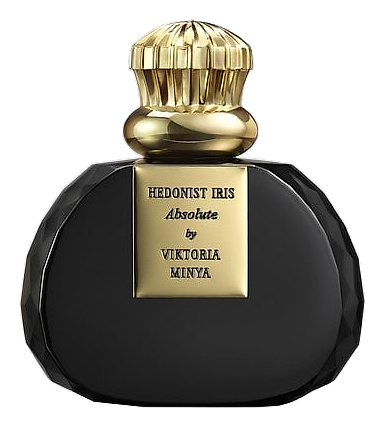
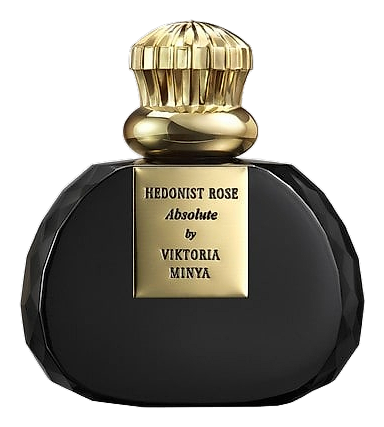
The signature
How Viktoria composes
Minya's signature style leans toward bold, complex compositions with rich texture and unexpected contrasts. Her work often balances sensuality with intellectual depth, as demonstrated by Hedonist, which layers deep warmth with sharp precision. She favors high-impact ingredients and demonstrates a willingness to push boundaries with material choices. Her compositions tend to unfold in layers, revealing new facets over time rather than presenting a single static impression. She works confidently with both classic naturals and synthetics, building fragrances that feel cohesive yet distinctive.
Philosophy
What drives Viktoria
Minya approaches fragrance as a discipline that requires both scientific rigor and artistic instinct. She views regulatory constraints like IFRA and EU restrictions not as obstacles but as creative parameters that push her to find novel solutions. In interviews, she has spoken about the surprising realities of working as a nose, including the way restrictions can force perfumers to reimagine classic compositions entirely. Her driving motivation is to translate emotion into scent, creating fragrances that capture specific moments or sensations. She believes the craft demands years of dedicated study and refuses to treat perfumery as anything less than a serious vocation.
The houses