Mason Hainey
Mason Hainey did not arrive at perfumery through the expected channels. He spent years in menswear, producing ties and wedding goods from his base in Rhode Island. A stint living in Japan and studying art in Portland, Maine, shaped his sensibility before he launched MIZU in 2012 as a fashion label. The transition to fragrance happened gradually. His 2013 debut scent, rooted in calm and purification, marked the beginning of a serious creative practice. Living in Brooklyn, unable to access the natural landscapes he loved, he turned to scent as a form of sanctuary-building. That impulse—creating private, contemplative space through fragrance—remains central to his work. Today, operating under his own name as M.HAINEY, he has built dozens of original compositions and collaborations. His background in fashion and art gives his perfumes a quiet confidence, an understanding that what you wear should feel both intentional and lived-in.
The hits
Notable creations
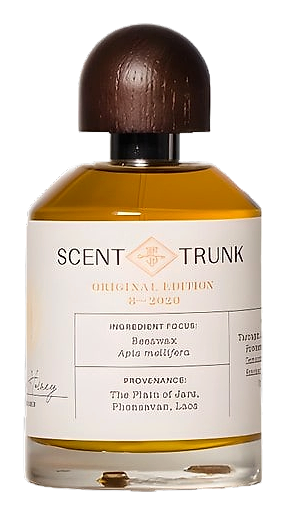
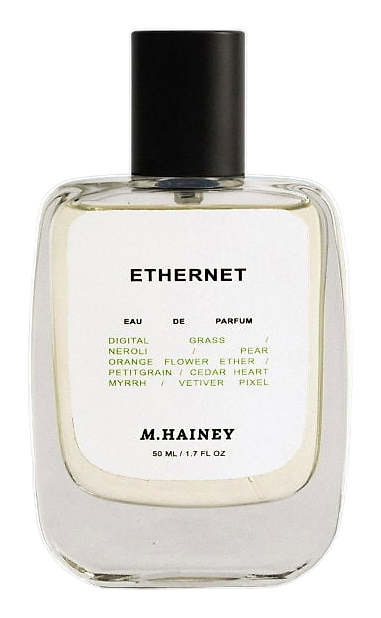
The signature
How Mason composes
Hainey favors botanical materials and clean, grounded compositions. His work tends toward restraint—earthy greens, resinous woods, subtle mineral notes—never loud, never ostentatious. He brings a fashion designer's sense of structure to his creations, understanding proportion and negative space in a formula. His signature technique involves building layers that reveal themselves slowly, so a fragrance might open with one character and settle into something quieter over hours. He has spoken about studying under other perfumers early in his training, a period that sharpened his material knowledge and deepened his respect for traditional craft. The Blank Canvas fragrance enhancer reflects his practical,wearable approach: a product designed to work with other scents rather than compete against them. Natural, intentional, quietly sophisticated—these words describe both his materials and his aesthetic.
Philosophy
What drives Mason
Mason Hainey approaches fragrance as a student of nature. He describes himself as a clean perfumer, working with natural materials that honor his deep connection to trees and the living world. He is not interested in fragrance as performance. He wants it to function as a kind of personal architecture—something that shapes space and mood without demanding attention. His philosophy centers on intention and restraint. He asks what a scent communicates about the person wearing it, and what that says about how they move through the world. For Hainey, perfume should create a sanctuary, a pocket of calm that follows you. He designs for longevity in the truest sense: not the hours a scent lingers on skin, but the lasting impression it leaves on the people around you.
The houses