Marina Somova
Marina Somova belongs to a quieter corner of the fragrance world, one where craftsmanship matters more than celebrity. Based in Russia, Somova trained through the rigorous tradition of Eastern European perfumery, where apprentices spend years learning raw material识别 and accords before ever touching a formula. She emerged into a field still dominated by a handful of grandes dames and found her own way in. Her breakthrough came through work with two Russian houses: Severnoye Siyaniye (Northern Lights) and Flora, where she built a small but devoted following for compositions that resist easy categorization. What sets Somova apart is her refusal to chase trends. While the market cycles through seasonal "it" ingredients, she continues developing fragrances for clients who value precision over novelty. She represents a generation of perfumers who understand that a great fragrance does not need to announce itself across a room.
The hits
Notable creations
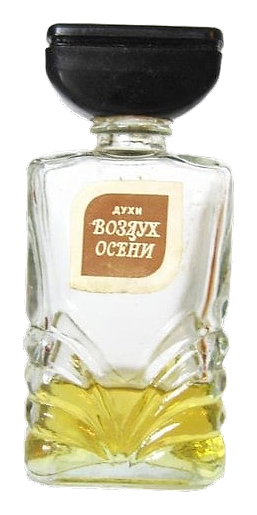
The signature
How Marina composes
Clean lines define Somova's olfactory signature. She gravitates toward crisp aquatic and green accords, aromatic woods, and transparent musks that feel architectural rather than soft. Her known work for Russian houses leans toward freshness and restraint, compositions that breathe rather than overwhelm. Reviewers who have encountered her creations describe them as cool, precise, and unexpected, qualities that place her firmly outside the warm, ambery mainstream. She handles citrus with particular restraint, stripping away the bright but fleeting top-note clichés and building something that persists. Her style resists decoration for its own sake; every element earns its place.
Philosophy
What drives Marina
Somova approaches fragrance the way an architect approaches space: she builds from function outward. She asks what a scent should do for someone, not what story it should tell. That pragmatic starting point gives her work an unusual directness. She is drawn to clarity, to ingredients that behave honestly rather than performing complexity they do not possess. For her, the test of a formula is whether it still holds together at the dry-down, hours after application. She does not separate natural and synthetic materials in her thinking; she cares only about what serves the composition. This material-agnostic discipline shapes everything she creates, grounding even her most experimental work in structural logic.
The houses
Maisons Marina composes for
In the same league