Henry Jacques
Henry Jacques was born in 1975 into a family that revered French perfume heritage. He spent his youth absorbing the scents of his grandfather’s atelier and the spice‑laden markets of his travels. After completing an apprenticeship with a venerable Parisian house, he joined a leading international fragrance group, where he refined his technique on luxury projects for eight years. In 2010, he returned to his roots, collaborating with the maison founded by his father, Henry Cremona. The partnership sparked his first public signature scent, earning praise from connoisseurs and cementing his reputation as a modern custodian of classic French perfumery. Today he mentors emerging noses while continuing to craft bespoke compositions for discerning clients worldwide.
The hits
Notable creations
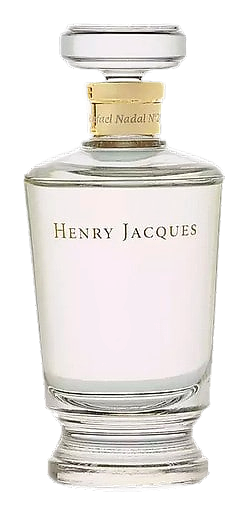
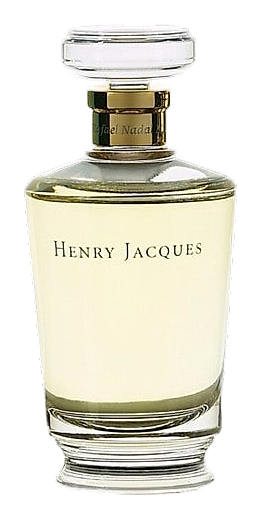
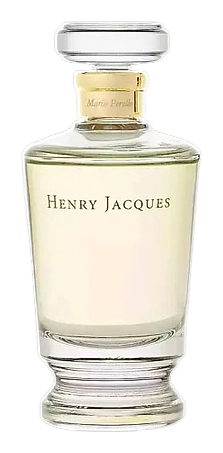
The signature
How Henry composes
Henry favors a balanced architecture that highlights natural ingredients. He often starts with a clear heart—lavender, rose, or oud—and builds around it with subtle accents of ambergris, incense, or rare woods. He prefers raw extracts over synthetics when they convey authenticity, yet he does not shy away from modern aromachemicals that add precision. His compositions reveal themselves gradually, rewarding patience with depth and nuance. He frequently employs a technique of slow maceration, allowing the blend to mature and reveal hidden harmonies before bottling.
Philosophy
What drives Henry
Henry believes that perfume should echo memory and place without sacrificing elegance. He draws inspiration from historic cabinets, travel diaries, and the quiet moments of daily life. Each formula begins with a single evocative note that anchors the composition, then unfolds with layers that respect the hierarchy of the nose. He values restraint, allowing ingredients to speak for themselves rather than masking them with excess. For Henry, the act of creation is a dialogue between past and present, guided by curiosity and a reverence for craftsmanship.
The houses
Maisons Henry composes for
In the same league