Darren Alan
Born Darren Alan White on March 11, 1971 in Pittsburgh, he fell in love with scent while mixing household potions as a child. By his teens he was reproducing classic colognes for friends, a habit that led him to study chemistry at the University of Pittsburgh. After earning a degree, he spent a decade formulating skin‑care actives for major personal‑care brands, sharpening his sense of balance and stability. In 2005 he launched Pure Skin Formulations, an artisanal line that let him experiment with natural absolutes and synthetics side by side. The same year he began offering bespoke perfumes to private clients, quickly earning a reputation for resurrecting vintage formulas with a modern twist. Today he runs Darren Alan Perfumes, teaches workshops on accord building, and contributes to collaborative projects such as Café L’Ébène. His career blends laboratory rigor with a collector’s curiosity for forgotten perfume archives.
The hits
Notable creations
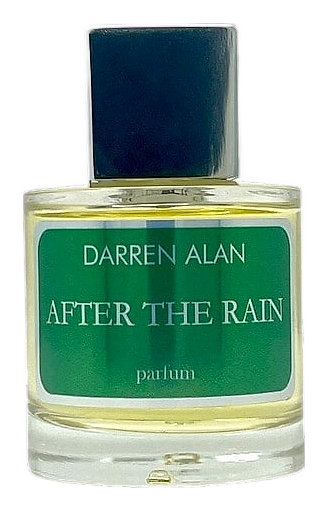
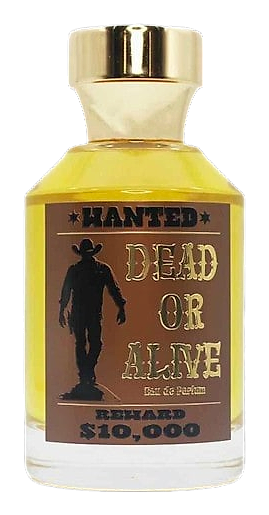
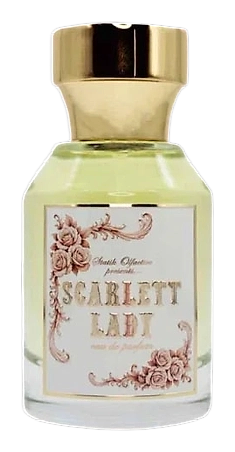
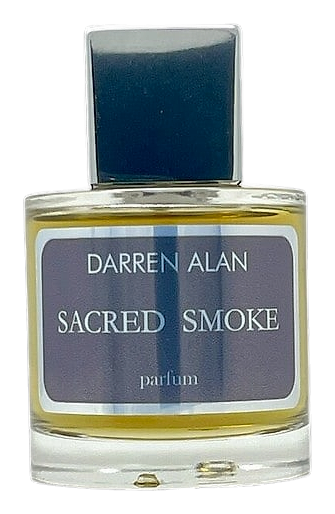
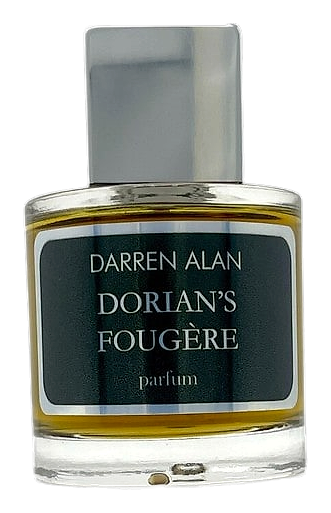
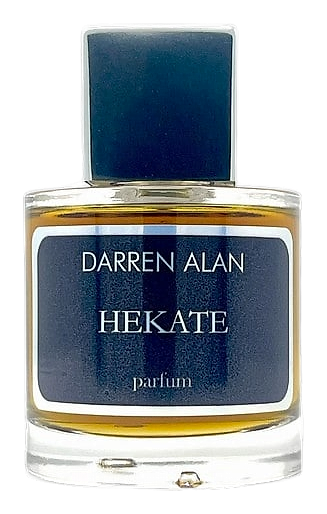
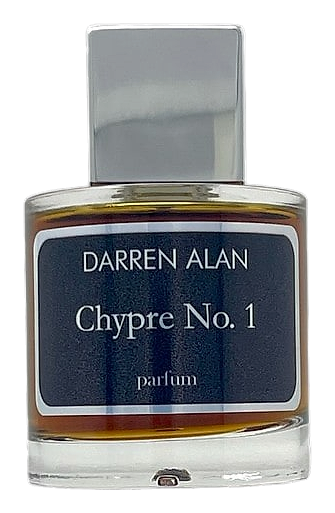
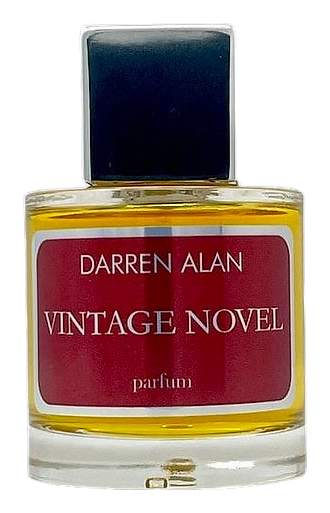
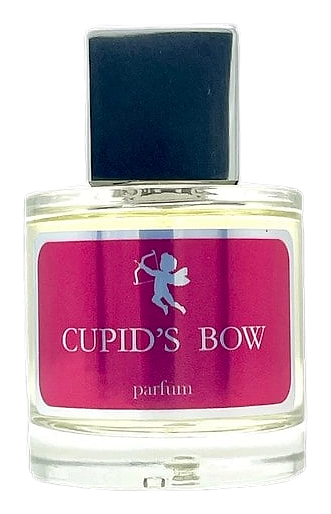
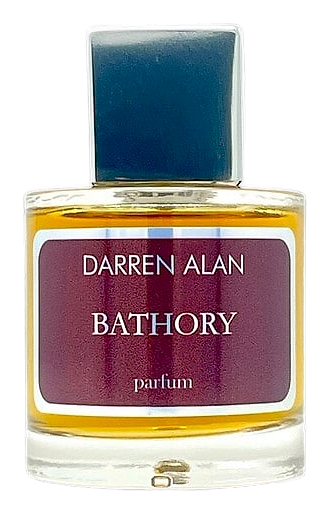
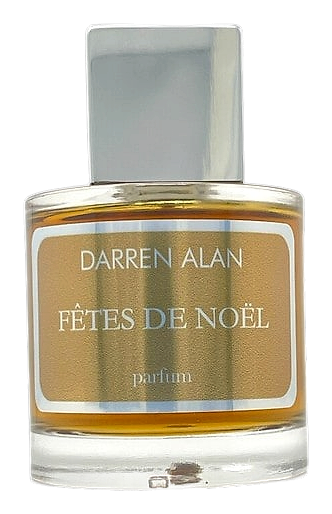
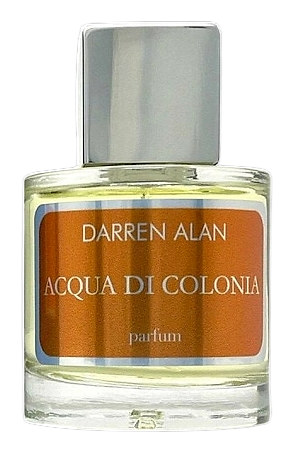
The signature
How Darren composes
Alan’s technique centers on building a solid base accord before layering top notes, a method he learned while formulating moisturizers. He favors natural jasmine, orange blossom, and aldehydic citrus as opening gestures, then grounds them with ambergris, sandalwood, or vintage civet extracts. Synthetic musks appear only when they help extend longevity without masking nuance. In his neo‑vintage line he often pairs a crisp bergamot with a muted leather heart, echoing the structure of classic chypre compositions. Workshops reveal his step‑by‑step approach: isolate a single aroma, test its interaction, then weave it into a balanced whole. The result feels both nostalgic and freshly relevant.
Philosophy
What drives Darren
Alan believes a fragrance should read like a well‑written letter: clear, intimate, and unmistakably personal. He treats each brief as a conversation, asking clients which memory, season, or texture they wish to capture. Rather than chasing trends, he reaches back to the 1920s‑1960s archives, extracting motifs that have faded from mainstream shelves. He mixes those clues with contemporary materials that respect skin safety, aiming for scents that linger without overwhelming. For him, the act of creating is a quiet negotiation between tradition and invention, and the reward comes when a wearer recognizes a fragment of their own story in the bottle.
The houses