Catherine Malandrino
Catherine Malandrino arrived in New York from France in the 1980s and established her namesake label in 1998, building a reputation for bold graphic prints and fluid feminine silhouettes. Her fashion house quickly became synonymous with a particular kind of Parisian ease filtered through New York energy. Working from her studio in Manhattan, Malandrino brought her eye for color and pattern to a series of successful clothing collections before extending her aesthetic into lifestyle categories. Her fragrance line, Style de Paris, represented the logical evolution of a brand built on self-expression and sensuality. Rather than simply licensing her name, Malandrino has maintained creative involvement across her fragrance offerings, treating each scent as an extension of her design philosophy. The collaboration with beauty industry partners has allowed her to translate her visual language into olfactory form, reaching customers who connected with her fashion but sought new ways to inhabit her world.
The hits
Notable creations
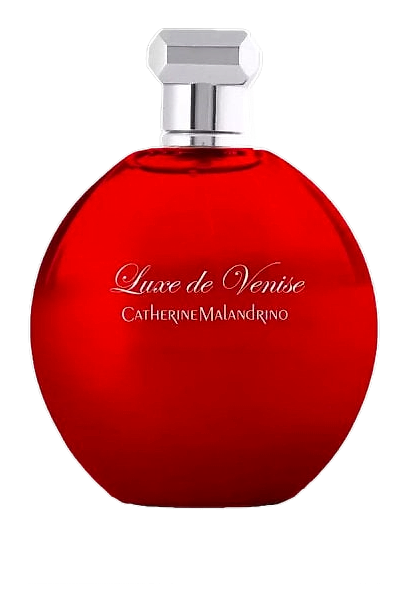
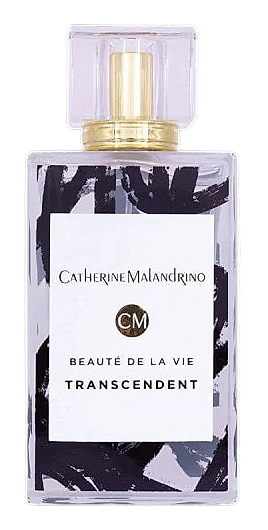
The signature
How Catherine composes
Malandrino's fashion vocabulary informs her fragrance direction in obvious ways. She favors bold visual identities, romantic pattern work, and silhouettes that celebrate the body. Translated into fragrance, this suggests compositions with clear structure, notable sillage, and a certain glamorous confidence. Her French heritage and New York homebase create a recognizable aesthetic that blends European sophistication with urban immediacy. The Style de Paris line reflects this duality, offering fragrances that feel both worldly and accessible. Malandrino's approach treats each fragrance like developing a garment, considering how foundation notes support the structure, how heart notes provide character, and how the dry-down leaves a lasting impression.
Philosophy
What drives Catherine
As a fashion designer rather than a trained perfumer, Malandrino brings a distinct perspective to fragrance creation. She approaches scent development with the same sensibility she applies to her clothing: building from a strong foundation, layering complexity, and finishing with something memorable. Her philosophy centers on translating personal style into a sensory experience that lingers. She has spoken about her love of certain signature scents and the emotional weight they carry, suggesting a designer who understands fragrance as autobiography as much as commerce. Her fragrances aim to capture a mood rather than follow trends, offering something wearable yet distinctive for people who want their scent to say something specific about who they are.
The houses