Alexander Streeck
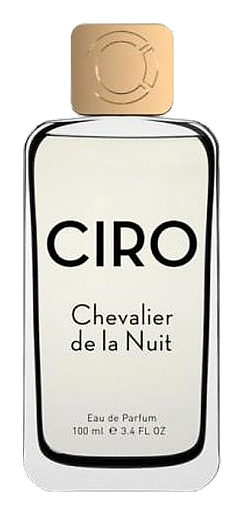
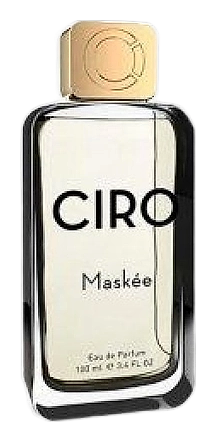
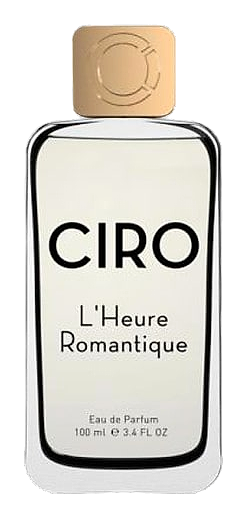
Alexander Streeck entered the fragrance world with a chemistry degree and an apprenticeship at a Hamburg‑based oil house. Early on he learned to balance raw materials with precision, a skill that earned him a seat at Lothar Streeck GmbH & Co. KG, where he helped formulate perfume oils for niche houses. In 2021 he partnered with the avant‑garde label CIRO Parfums, delivering the debut scent Maskee, a lush blend of ylang‑ylang, rose and a whisper of whipped‑cream accord that instantly caught the attention of collectors. The success of Maskee opened doors to collaborations across Europe, and he now advises emerging brands on scent architecture while continuing to craft his own olfactory statements. His career reflects a steady climb from laboratory bench to creative studio, marked by a willingness to experiment within the bounds of classic technique.
The hits
Notable creations
The signature
How Alexander composes
Alexander favors a layered approach, building structures from a solid base of natural absolutes before adding synthetics that sharpen focus. He frequently employs ylang‑ylang, rose, and creamy gourmand elements, pairing them with subtle mineral or green undertones to prevent sweetness from becoming cloying. His technique often includes a short maceration period, allowing volatile top notes to settle into the heart before the base solidifies. He prefers ingredients that offer both richness and clarity, such as Bulgarian rose oil, Madagascar vanilla, and fine white musk, creating scents that feel both opulent and approachable.
Philosophy
What drives Alexander
Streeck treats each fragrance as a conversation between memory and material. He believes a perfume should evoke a specific moment without overwhelming the wearer, so he prioritizes balance over spectacle. Drawing on his scientific background, he measures ingredients with the rigor of a lab while allowing intuition to guide the final blend. He respects the lineage of traditional accords, yet he isn’t afraid to insert an unexpected note that shifts the composition’s direction. For him, the act of creating is a dialogue with the scent’s origin, its intended audience, and the space it will inhabit.
The houses
Maisons Alexander composes for
In the same league