Aglae Nicolas
Aglaé Nicolas built her career the way the best fragrances unfold: layer by layer, with intention and craft. She trained at ISIPCA, the Paris institute that has shaped generations of French perfumers, before joining L'Oréal's creative teams where she contributed to Cacharel's Eau d'Eden launch. Two decades followed in the global fragrance industry, traveling from Paris to markets worldwide, absorbing trends and honing her nose. In 2016, she made the decisive move toward independence, founding her own practice and launching L'Atelier de Mademoiselle. The brand became her laboratory for personal expression, distilling her years of industry experience into a more intimate creative language. Nicolas divides her time between her own projects and collaborations through Grace, the Agence de parfumeurs, where she brings her perspective to broader creative briefs. Her trajectory from institutional training through multinational corporations to full creative autonomy mirrors a shift she embodies: the independent perfumer as both artisan and entrepreneur.
The hits
Notable creations
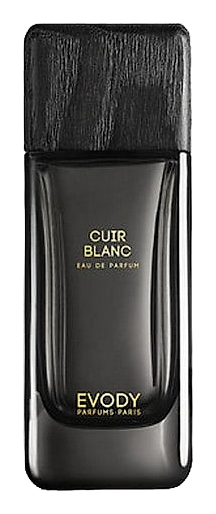
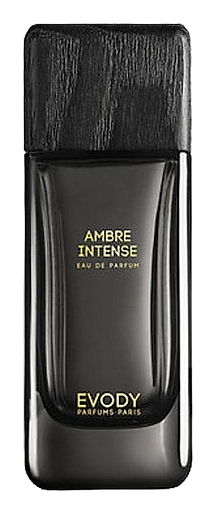
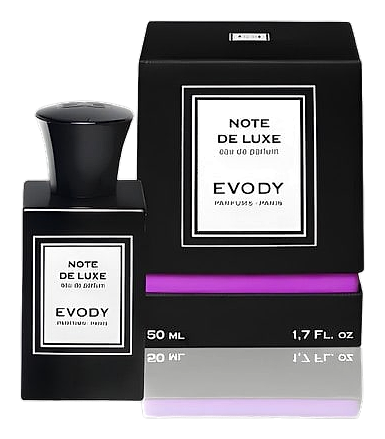
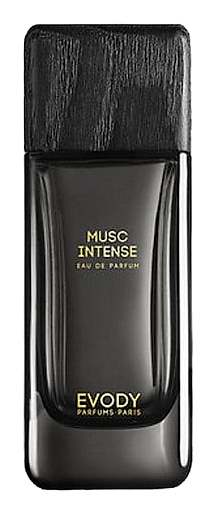


The signature
How Aglae composes
Nicolas gravitates toward compositions that reveal complexity over time. Her signature technique involves balancing contrasts that shouldn't work but somehow do: fresh and warm, transparent and deep, familiar yet surprising. She favors quality natural materials but deploys them with restraint, allowing each ingredient to breathe rather than compete. Her aesthetic tends toward modern elegance, steered away from nostalgia and toward what feels genuinely contemporary. The world travels show in her work too: her fragrances rarely commit to a single geographic reference, instead drawing from multiple traditions to create something that feels globally informed but personally felt.
Philosophy
What drives Aglae
For Nicolas, fragrance operates at the intersection of memory and desire. She approaches each brief as an opportunity to capture something specific: not just a smell, but a feeling that lingers. Her work reflects a belief that perfume serves as a form of self-expression that bypasses language entirely. Nicolas draws on her global exposure to create compositions that feel both particular and universal. She treats her role as a perfumer not as a service function but as a storytelling practice, where raw materials become sentences and the final juice reads like a narrative only the wearer fully understands.
The houses