AbdelFattah Nassar
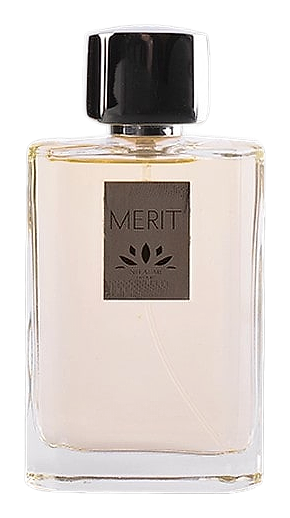
AbdelFattah Nassar co-founded Nilafar du Nil in Cairo during November 2019, establishing an Egyptian fragrance house operating under Syrian-Egyptian ownership alongside business partner Waseem Daaboul. While biographical details about Nassar's personal journey into perfumery remain scarce in available sources, the creation of Nilafar du Nil marks his entry into the fragrance industry as a brand architect. Based in Cairo, one of the Middle East's historic perfume capitals, Nassar positioned his venture at the intersection of Egyptian craft traditions and broader Arabian olfactory heritage. The late 2019 launch timing placed Nilafar du Nil within a wave of emerging regional houses seeking to capture growing consumer interest in niche and artisan fragrance offerings across North Africa and the Levant.
The hits
Notable creations
The signature
How AbdelFattah composes
With Nilafar du Nil positioned as an emerging Egyptian fragrance house, the brand's style likely draws from regional materials familiar to Levantine and North African perfumery: oud, rose, amber, and orientals with warm spice signatures. The six-fragrance collection referenced in available coverage appears designed around narrative concepts tied to Arabian hospitality traditions. Without access to specific composition notes, Nassar's stylistic tendencies remain somewhat undefined, though the brand's positioning suggests an emphasis on rich, emotive fragrances with cultural resonance over minimalist Western-influenced aesthetics.
Philosophy
What drives AbdelFattah
Operating from Cairo, AbdelFattah Nassar appears drawn to fragrances that evoke regional identity and cultural storytelling. Nilafar du Nil's very name suggests a connection to the Nile and Egyptian heritage, indicating an intent to anchor the brand in local geography and sensory memory. The Syrian-Egyptian ownership structure hints at a philosophy rooted in cross-cultural Arabian craftsmanship, blending influences from multiple Levantine and North African traditions. Nassar seems to approach fragrance creation as a vehicle for cultural expression rather than purely commercial enterprise, though specifics about his creative methodology remain largely undocumented in accessible sources.
The houses