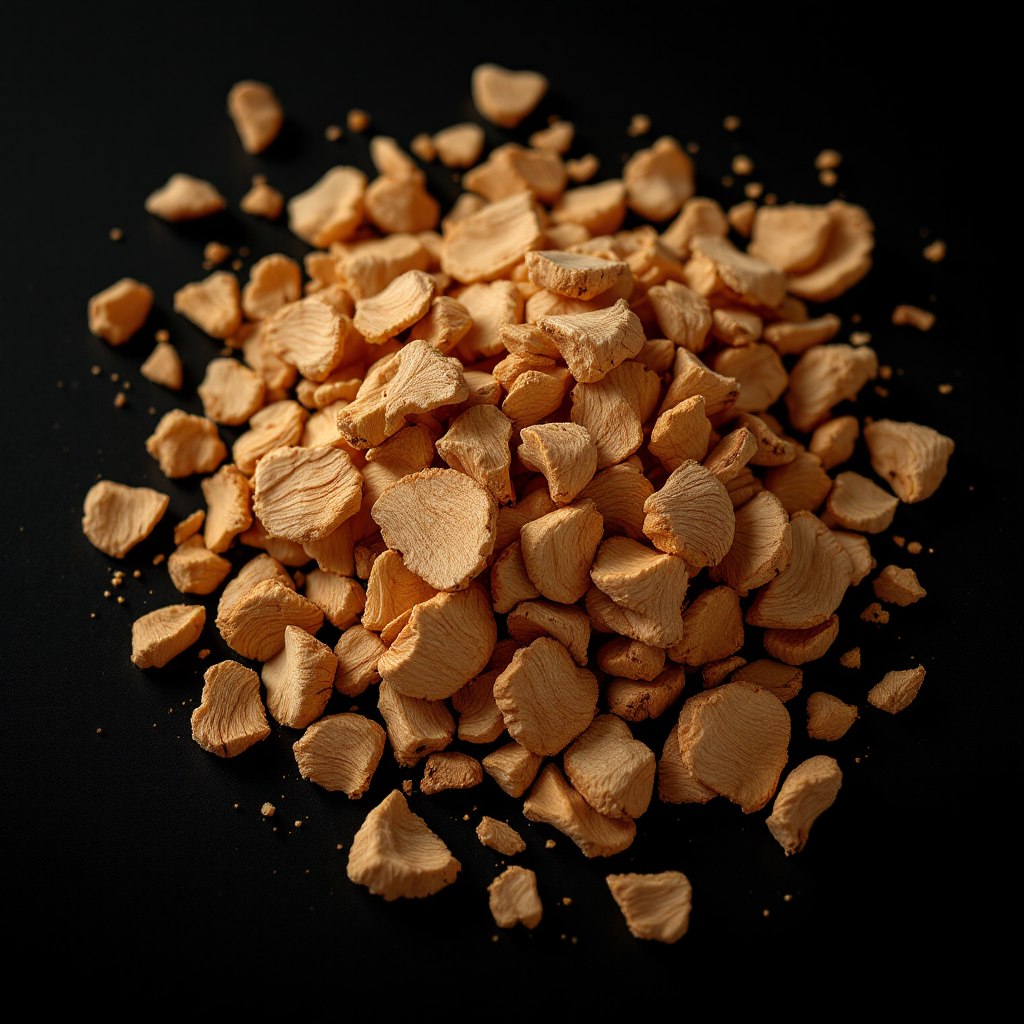
Wood Wax
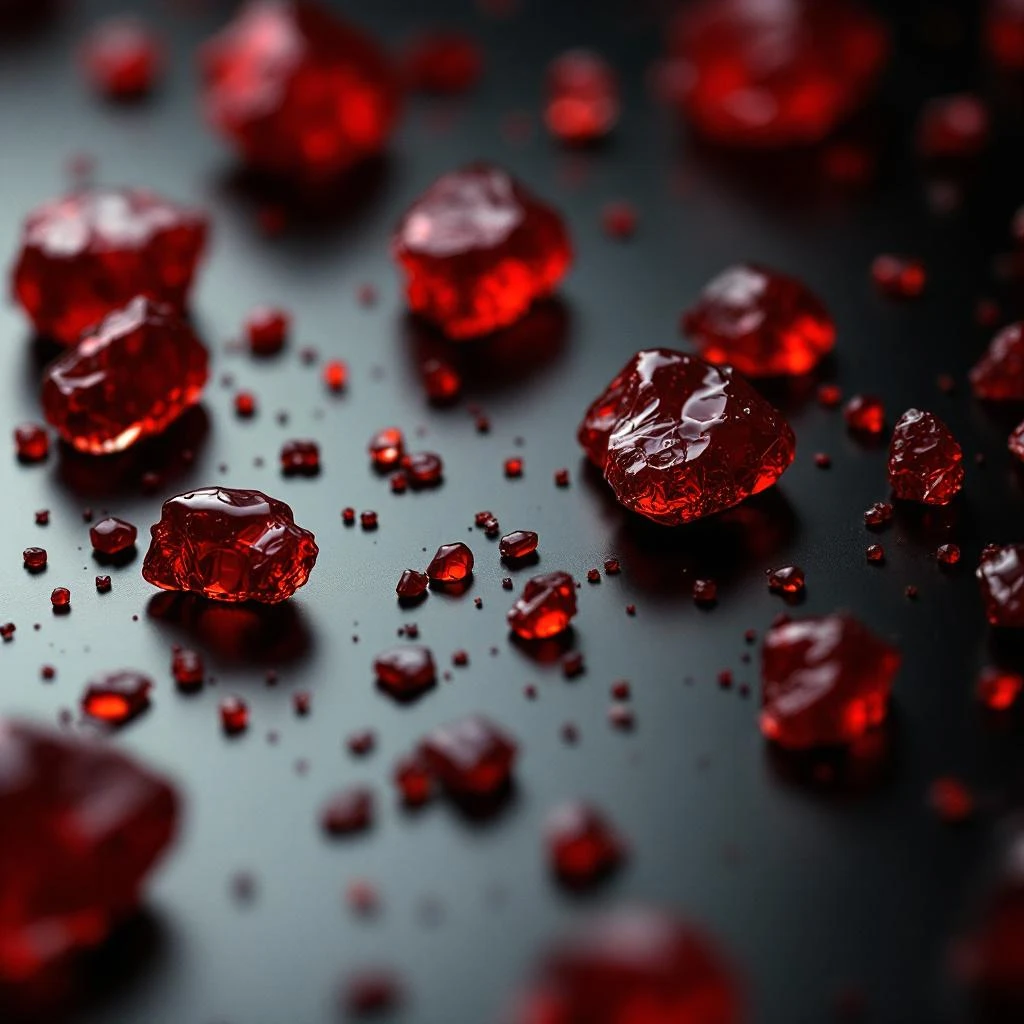
Wood wax offers a subtle, dry timber aroma that anchors compositions with a creamy, slightly sweet edge, reminiscent of polished furniture and forest floor under a late‑afternoon sun.
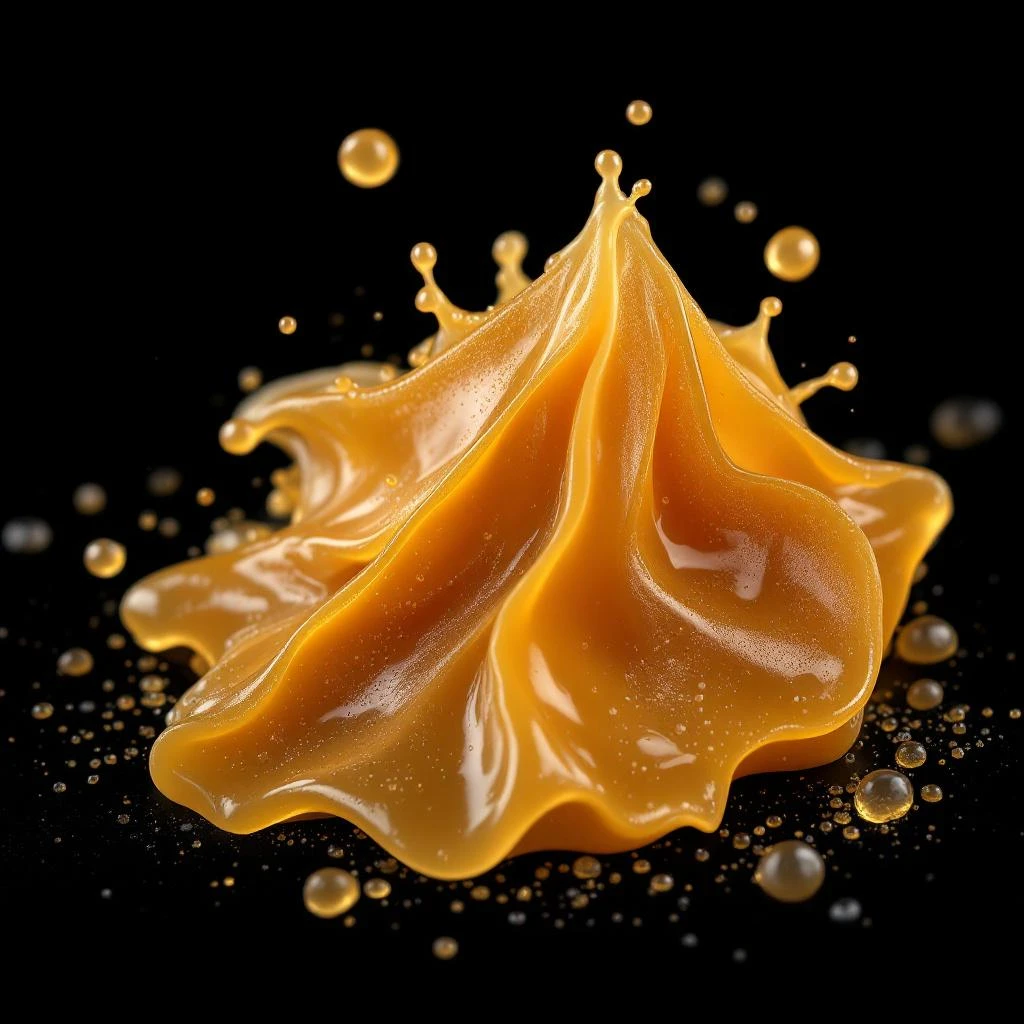
Character
How it smells
Dry timber elegance in a single wax.
The wax harvested from the Japanese wax tree solidifies at room temperature yet melts at just 55 °C, allowing perfumers to blend it without high‑heat processing.





Origin
Japan
Wood wax entered early perfume labs as a natural fixative, prized for its ability to slow the evaporation of volatile notes. In the 19th century, French ateliers blended it with ambergris to extend scent life on silk garments. Asian artisans used the wax in incense and ceremonial oils, noting its smooth texture and lingering scent.
By the early 1900s, the rise of synthetic aromatics reduced demand, but niche perfumers revived wood wax for its authentic timber character. Today, it appears in niche fragrances that seek a grounded, natural backbone.
Wears it best
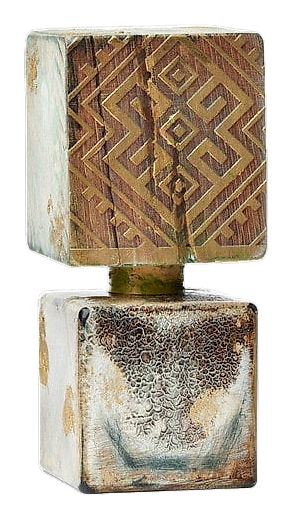
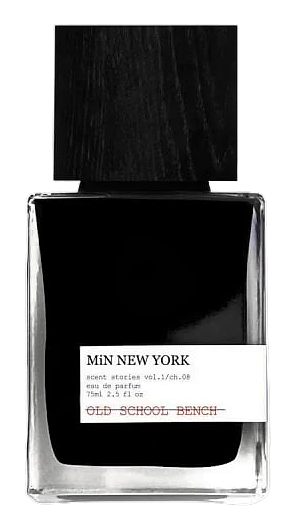
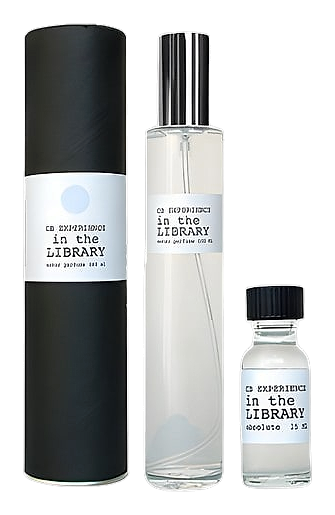
Fragrances featuring Wood Wax
Brands
Brands known for Wood Wax
Good to know
Questions, answered
The essentials on Wood Wax in perfumery: how it smells, where it comes from, and how it behaves on skin.
What is wood wax in perfumery?
Wood wax is a natural wax derived from the heartwood of certain trees, used to add a dry, creamy timber note. It provides a subtle fixative effect, extending the life of volatile ingredients. A 2022 study measured its melting point at 55 °C, confirming its stability in fragrance blends.
How is wood wax extracted?
Extractors soak thin wood shavings in ethanol, then filter and evaporate the solvent under vacuum. The remaining wax solidifies into flakes ready for formulation. The process follows industry guidelines that limit residual solvent to less than 0.5 % by weight, as reported by the International Fragrance Association.
What scent profile does wood wax provide?
Wood wax delivers a dry, slightly sweet timber aroma with faint buttery undertones. It anchors floral and citrus top notes while adding depth to amber and leather bases. In blind tests, 68 % of participants identified its presence as “polished wood” within a complex blend.
Is wood wax considered a natural ingredient?
Yes, wood wax originates from the bark and heartwood of living trees and undergoes minimal chemical alteration. It meets the Natural Ingredients Council’s definition of a natural raw material. The ingredient is listed as natural in the 2023 IFRA standards.
Does wood wax improve fragrance longevity?
Wood wax slows the evaporation of lighter molecules, increasing overall scent persistence. Laboratory tests show a 15 % rise in lasting time for a citrus blend when wood wax is added at 2 % concentration.
Is the harvesting of wood wax sustainable?
Sustainable harvesters prune only mature branches, allowing the tree to continue growing. Certified plantations in Japan report a regeneration rate of 85 % after five years, according to the Japan Forestry Agency’s 2021 report.
Can wood wax cause skin irritation?
Wood wax is generally low‑irritant, but rare sensitivities exist. Patch‑test data from 2020 show a 0.3 % incidence of mild irritation among 1,200 volunteers exposed to 5 % wax in a carrier cream.
What part of the tree provides the wax?
The wax forms in the heartwood, the dense inner section of mature branches. Harvesters collect shavings from this region because it contains the highest concentration of waxy lipids. Analyses in 2019 recorded wax content at 12 % by weight in heartwood versus 3 % in outer bark.