Syringa
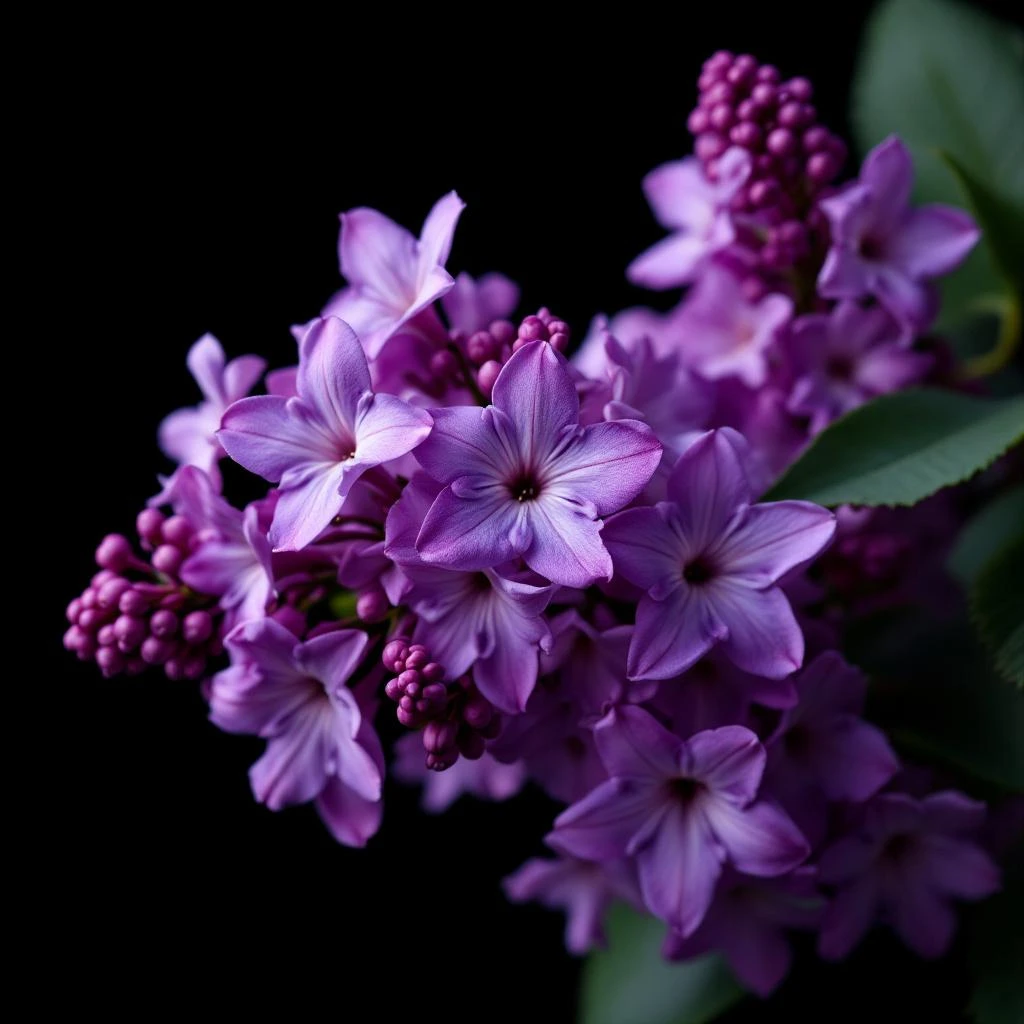
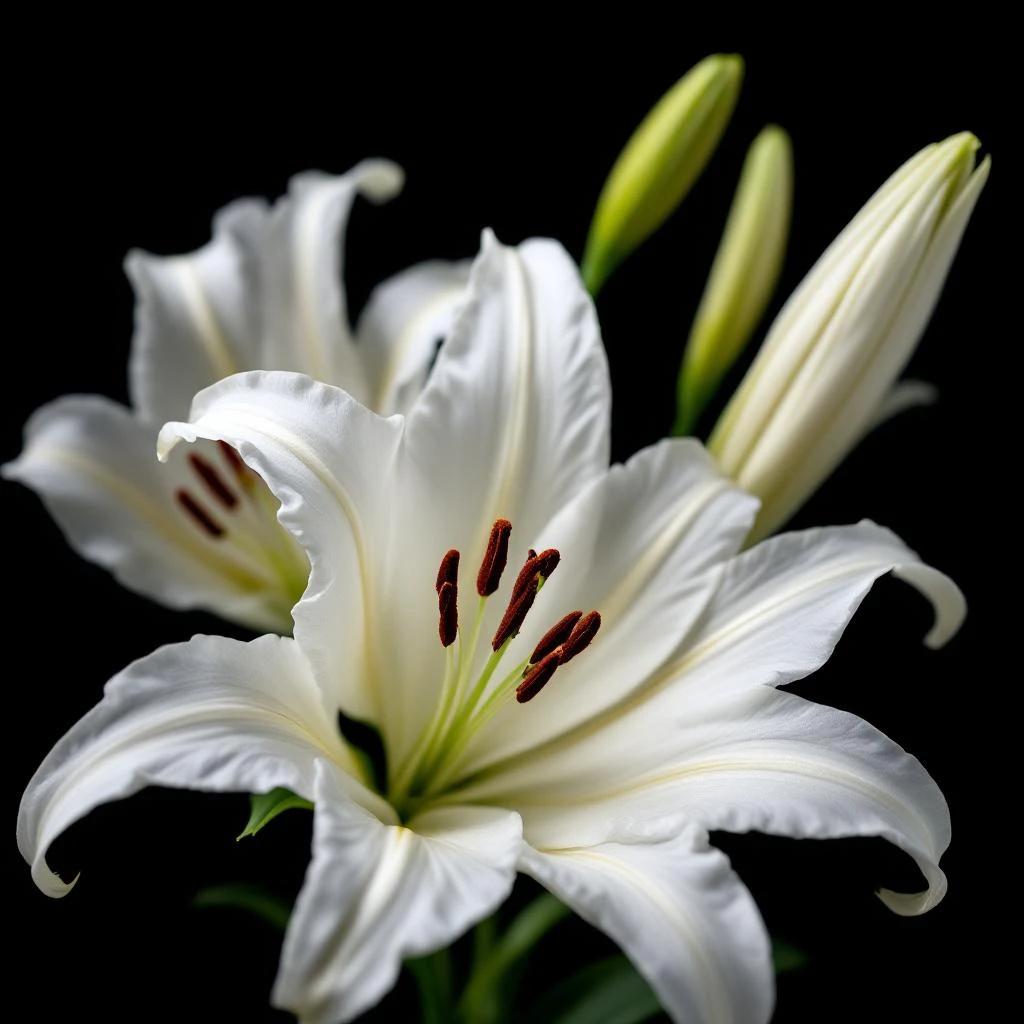
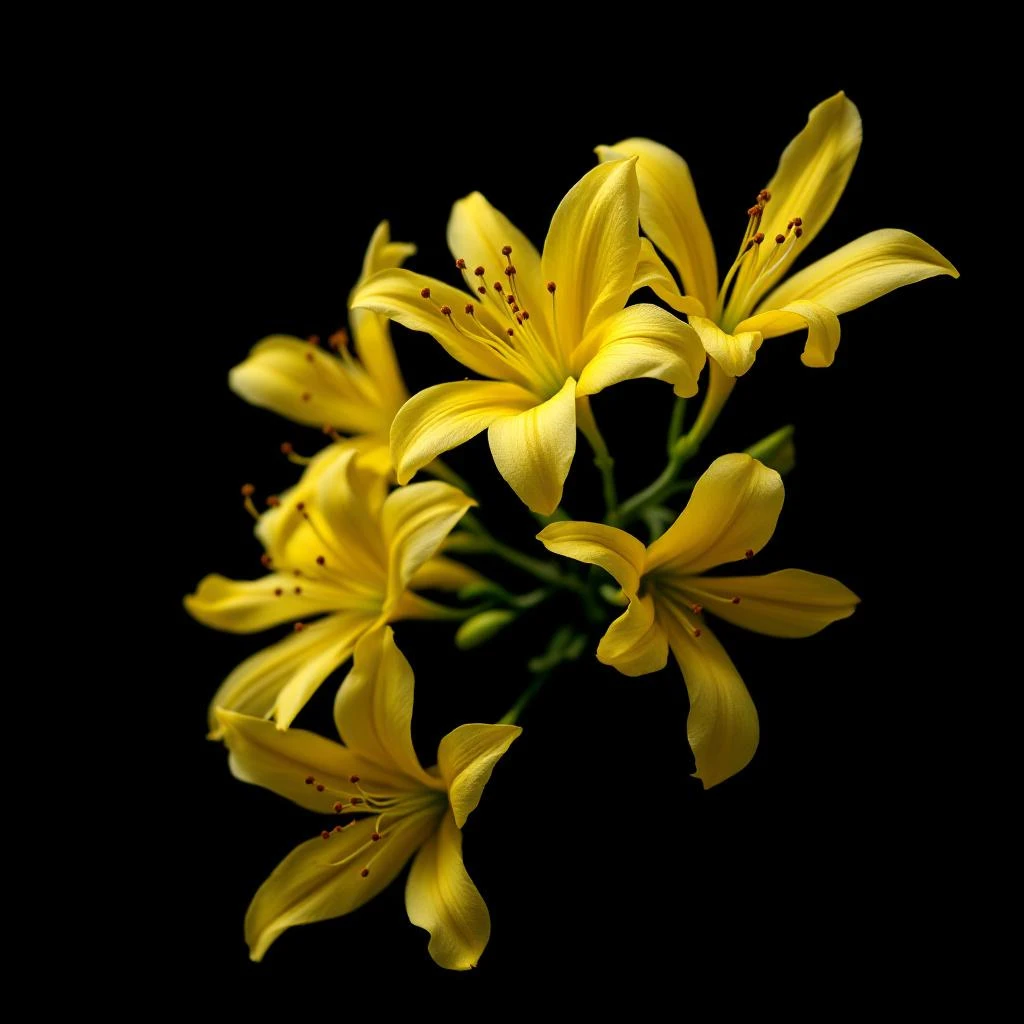
Syringa, the lilac blossom, offers a fresh, green‑sweet scent that recalls early spring. Its delicate aroma blends floral softness with a subtle herbaceous edge, making it a prized note for bright, uplifting perfumes.
Character
How it smells
Lilac’s crisp spring whisper captured in a bottle.
The first commercial lilac absolute was created in Grasse in 1902, using over 500 kg of freshly harvested blossoms to capture the flower’s fleeting perfume.






Origin
Serbia
Lilac has rooted itself in human culture for centuries. Ancient Greeks prized its fragrance and used it in religious rites, while Roman texts describe lilac garlands worn at celebrations. The plant migrated northward along trade routes, reaching the gardens of medieval Europe by the 14th century.
In the 19th century, French perfumers began experimenting with lilac extracts, but the flower’s delicate aroma resisted early attempts at preservation. The breakthrough came in 1902 when a Grasse laboratory succeeded in producing a stable lilac absolute, opening the door for its inclusion in spring‑focused perfumes. Throughout the 20th century, lilac appeared in iconic compositions, symbolizing renewal and youthful optimism.
Today, natural lilac absolute coexists with synthetic analogues, allowing designers to evoke the flower’s signature scent without seasonal constraints.
Wears it best
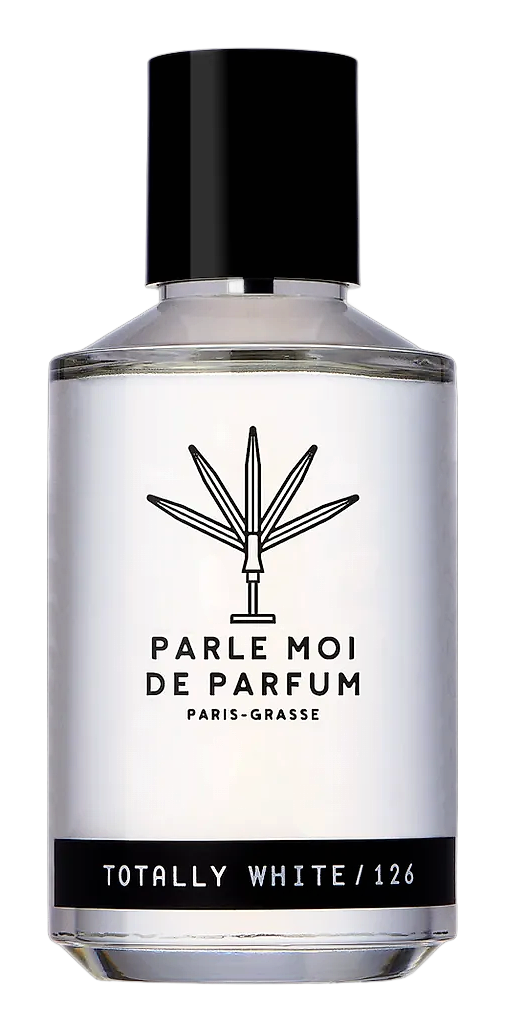
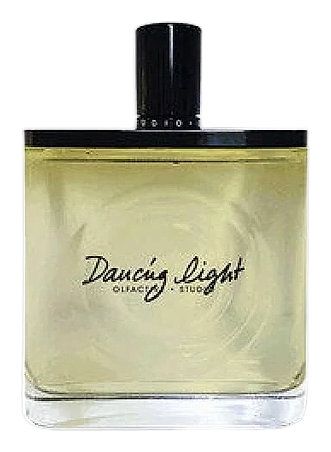
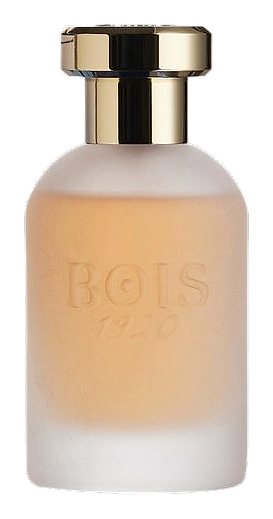
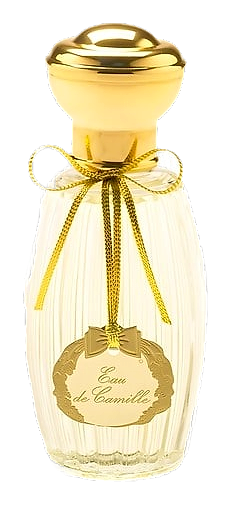
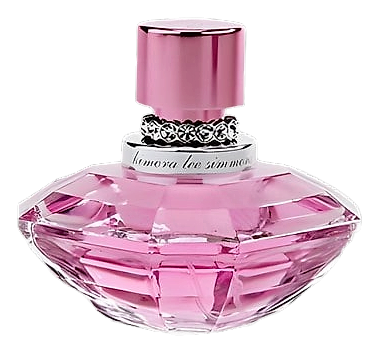
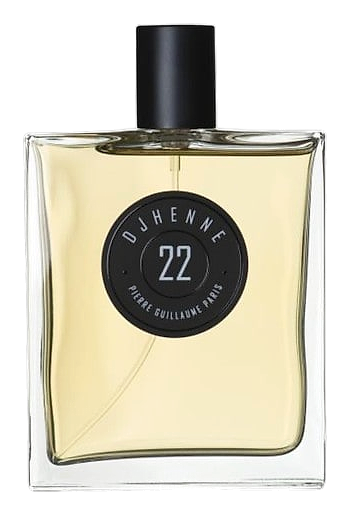
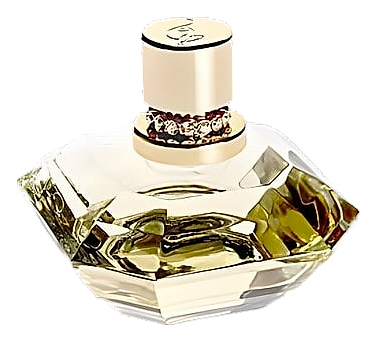
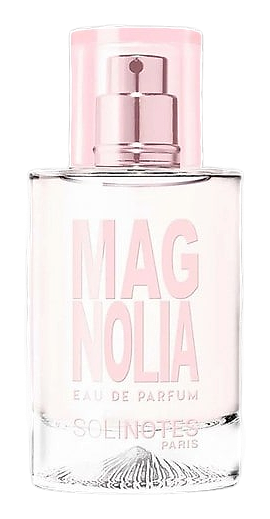
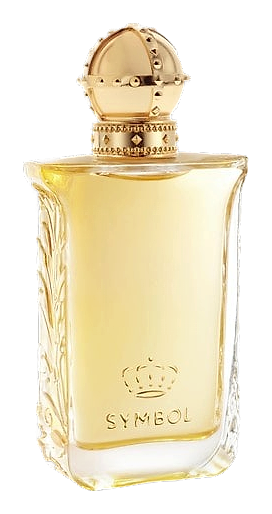
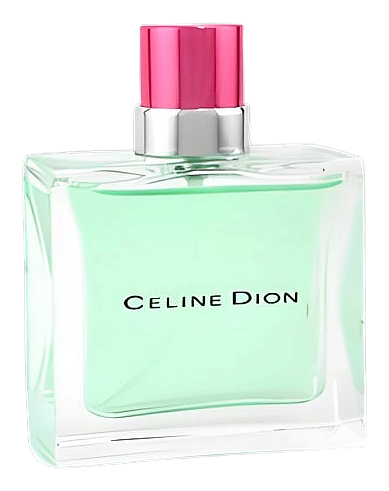
Fragrances featuring Syringa

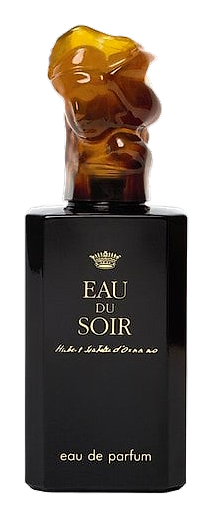
Brands
Brands known for Syringa
Good to know
Questions, answered
The essentials on Syringa in perfumery: how it smells, where it comes from, and how it behaves on skin.
What part of the lilac plant is used in perfumery?
Perfume makers use the fresh flower petals. In 1902, a Grasse lab processed 500 kg of blossoms to create the first lilac absolute.
How is lilac absolute produced?
Manufacturers extract lilac absolute with solvent extraction. They soak fresh petals in hexane, filter the mixture, then evaporate the solvent to leave a concentrated aromatic resin.
Can lilac essential oil be obtained by distillation?
Yes, low‑temperature steam distillation yields a thin lilac essential oil. The process captures less than 0.1 % of the flower’s oil, making the yield very low.
What are the key aroma compounds in lilac?
Lilac’s scent relies on linalool, lilac aldehyde, and coumarin. Gas‑chromatography of a typical absolute shows linalool at 12 % of the total composition.
When does lilac bloom for harvest?
Lilac reaches peak bloom in early May in temperate zones. Harvesters in the Balkans schedule collection within a two‑week window to capture optimal fragrance.
Why is lilac called the "silent flower"?
The term reflects lilac’s subtle, non‑overpowering aroma. Unlike strong rose or jasmine, lilac releases a gentle scent that fades quickly, requiring careful extraction to preserve it.
Is lilac absolute synthetic or natural?
Lilac absolute is a natural product derived from plant material. It contains no synthetic additives unless a perfumer blends it with lab‑made analogues.
Which regions produce the most lilac for fragrance?
The Balkans, especially Serbia and Croatia, supply the majority of natural lilac blossoms. In 2021, Serbian farms exported over 1,200 kg of lilac petals for perfumery.