Character
The Story of Soil Tincture
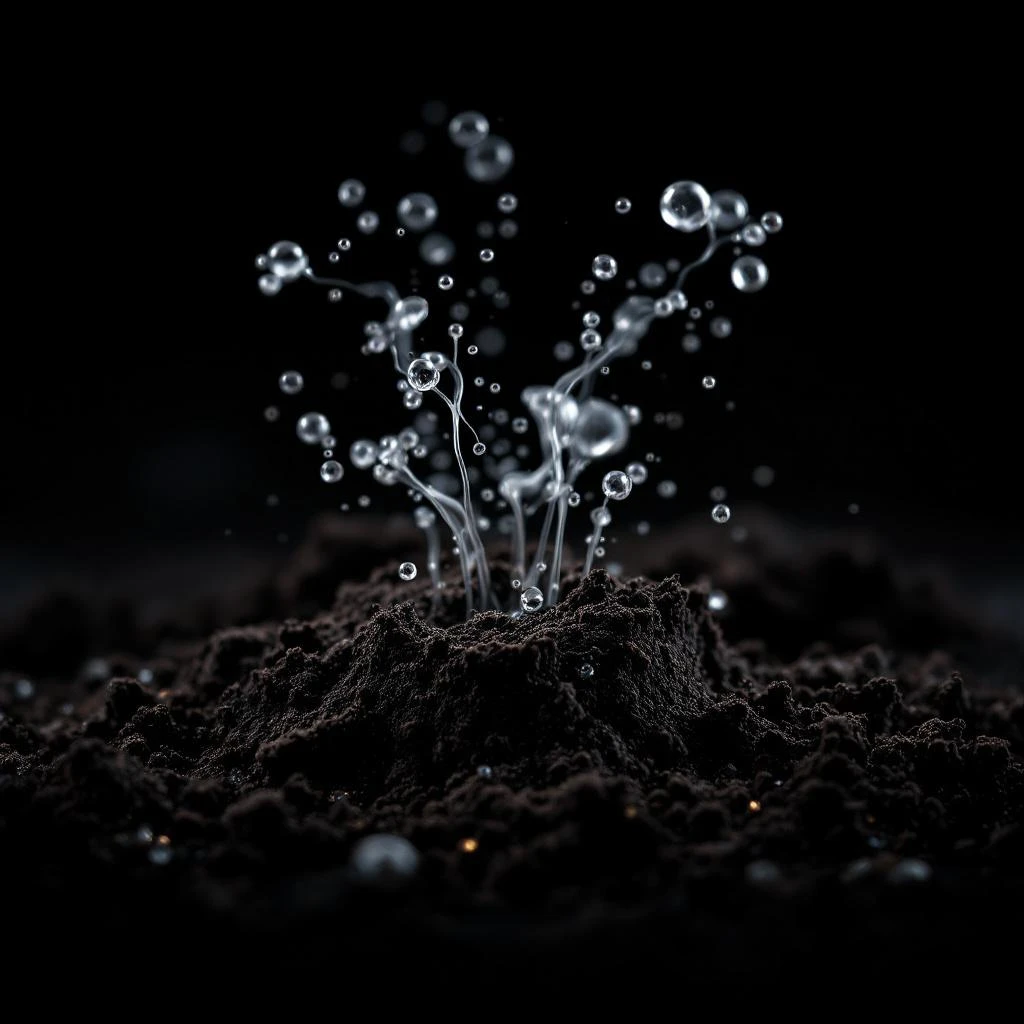
The primal scent of petrichor captured in a bottle. Soil Tincture delivers the mineral-rich aroma of dark earth after rain, a grounding note that anchors fragrances to nature itself.
Heritage
The pursuit of capturing earth's scent traces back over five millennia to the Indian subcontinent, where perfumers developed Mitti Attar, an oil-based distillation specifically designed to bottle the aroma of rain-soaked soil. This ancient technique represented early attempts to preserve a scent that existed only in fleeting moments between storm and sunshine. The term tincture itself comes from the Latin tinctura, meaning to dye or stain, reflecting alcohol's remarkable ability to absorb aromatic compounds and color from raw materials. Before modern distillation could isolate delicate compounds, tincturing via maceration remained the primary method for extracting complex aromatics from roots, resins, and organic matter that heat would destroy. Contemporary perfumery has revived this artisanal approach, though standardization challenges mean most commercial Soil Tincture accords blend natural maceration techniques with carefully calibrated synthetic replicates of geopmin.
At a Glance
7
Feature this note
India
Primary source region
Ingredient Details
Maceration in alcohol
Dried roots, rhizomes, mosses, forest loam, or synthetic aromatic compounds
Did You Know
"True earth tincture takes months of maceration, yielding only trace amounts of the elusive compound responsible for that unmistakable post-rain soil smell."
Pyramid Presence