Character
The Story of Sicilian Citruses
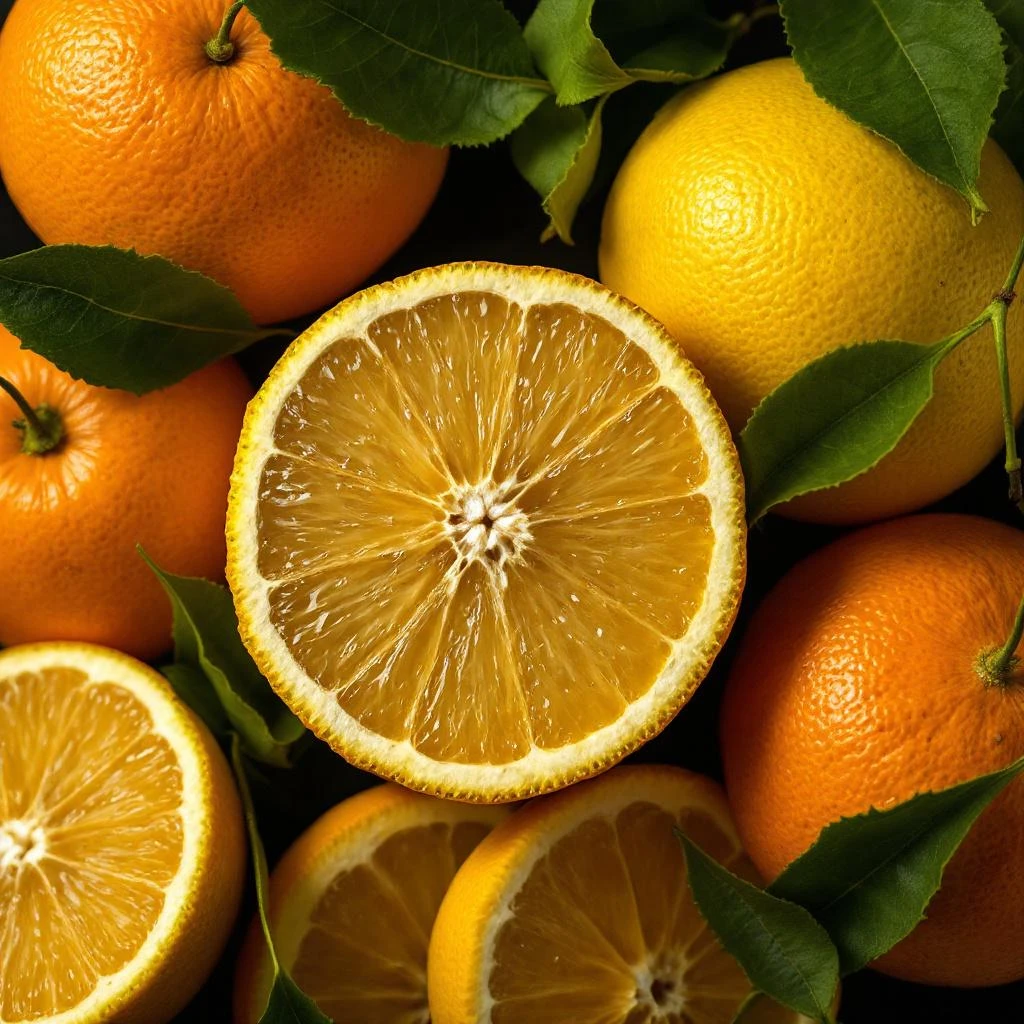
The sun-drenched groves of eastern Sicily produce citrus of exceptional aromatic intensity. The volcanic soil and Mediterranean climate concentrate vibrant, complex fragrance molecules in every peel, yielding oils prized by perfumers since antiquity.
Heritage
Citrus cultivation reached Sicily around the 12th century via Arab traders who established the first organized orchards in the eastern lowlands around Siracusa. The island quickly became Europe's primary source of premium citrus oils, supplying the perfumers of Renaissance Florence and later the great cologne houses of 18th-century Cologne. Han Yen-chih documented over 27 citrus varieties in 1178, but Sicily transformed aromatic potential into industrial reality. By the 1700s, Sicilian neroli and bergamot oils were among the most traded commodities in the European fragrance industry. The Siracusa lemon, classified as cultivar femminello, remains the most cultivated lemon variety in Italy, producing three distinct harvests annually. Ancient Hesperides mythology links citrus to immortality; Sicilian perfumers simply bottled the sunshine instead.
At a Glance
1
Feature this note
Italy
Primary source region
Ingredient Details
Cold expression
Fruit peel
Did You Know
"It takes roughly 1,200 cold-pressed lemons to yield just one kilogram of essential oil."