Character
The Story of Moroccan neroli
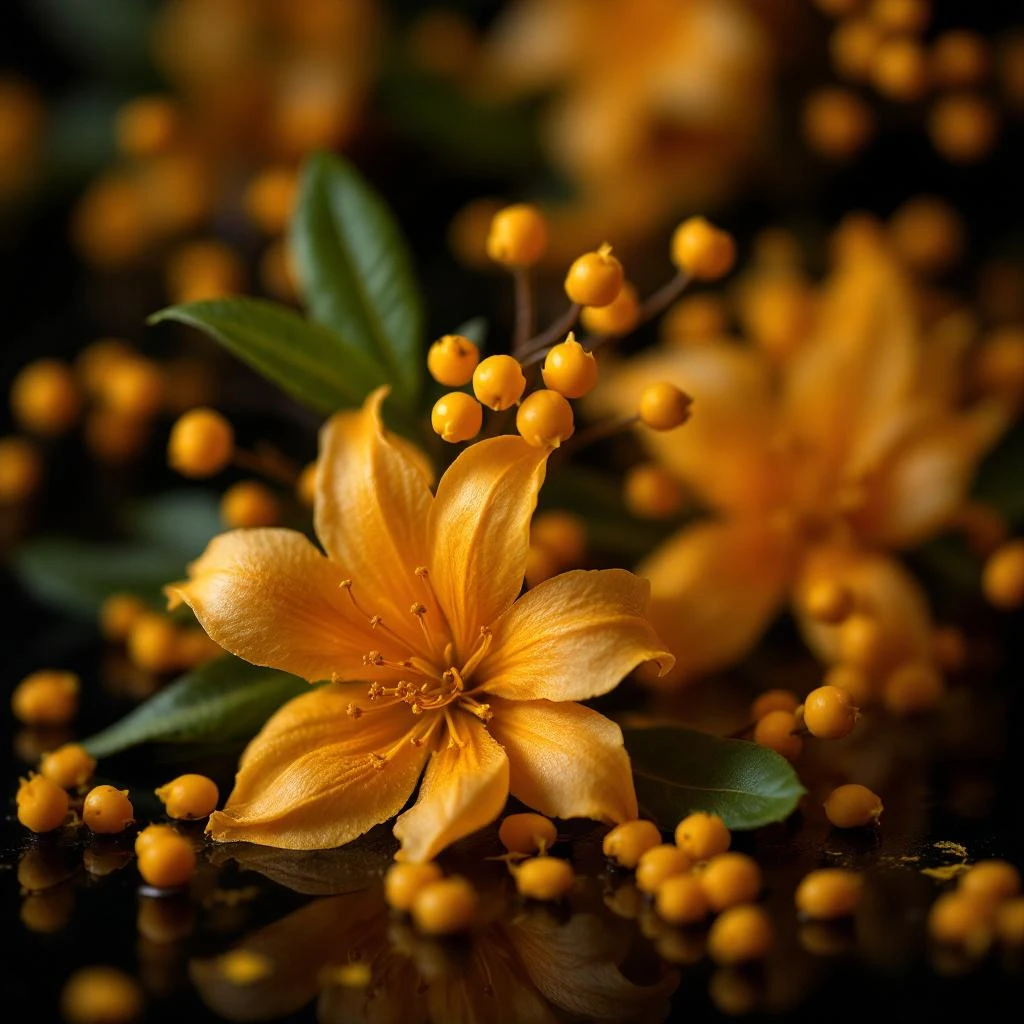
Moroccan neroli is steam-distilled from the blossoms of the bitter orange tree, yielding a luminous floral oil that captures the sun-drenched hillsides of the Maghreb in a single drop. Its radiant, honeyed citrus anchors some of perfumery's most celebrated creations.
Heritage
The bitter orange tree originated in Southeast Asia, likely in what is now Vietnam or southern China, and gradually spread westward through ancient trade routes. By the medieval period, the plant had reached Persia, where it earned deep cultural significance—historians believe the flower was used to perfume royal chambers and the garments of aristocracy, laying early groundwork for its perfumery future. The term "neroli" itself is tied to European history: it derives from the name of Anna Maria de La Tremoille, an Italian duchess who married into the Orsini family and settled in France in the seventeenth century. She was said to be so enchanted by the scent that she popularized it as a personal fragrance and room perfume, and the name stuck. From the courts of France and Italy, neroli became a fixture in fine perfumery, prized for its ability to lend bright, floral freshness to fragrance compositions. Morocco's role as a leading producer emerged through its ideal climate—Mediterranean winters and hot, dry summers stress the trees in a way that concentrates aromatic oils in the blossoms. Small-scale farmers in Morocco's northern regions harvest the flowers by hand, a practice tied to generations of expertise in bitter orange cultivation.
At a Glance
2
Feature this note
Morocco
Primary source region
Ingredient Details
Steam distillation
Blossoms
Did You Know
"It takes roughly 1,000 kilograms of bitter orange blossoms to yield just one kilogram of neroli oil—a ratio that explains its rarity and price point."