Character
The Story of Mexican tuberose
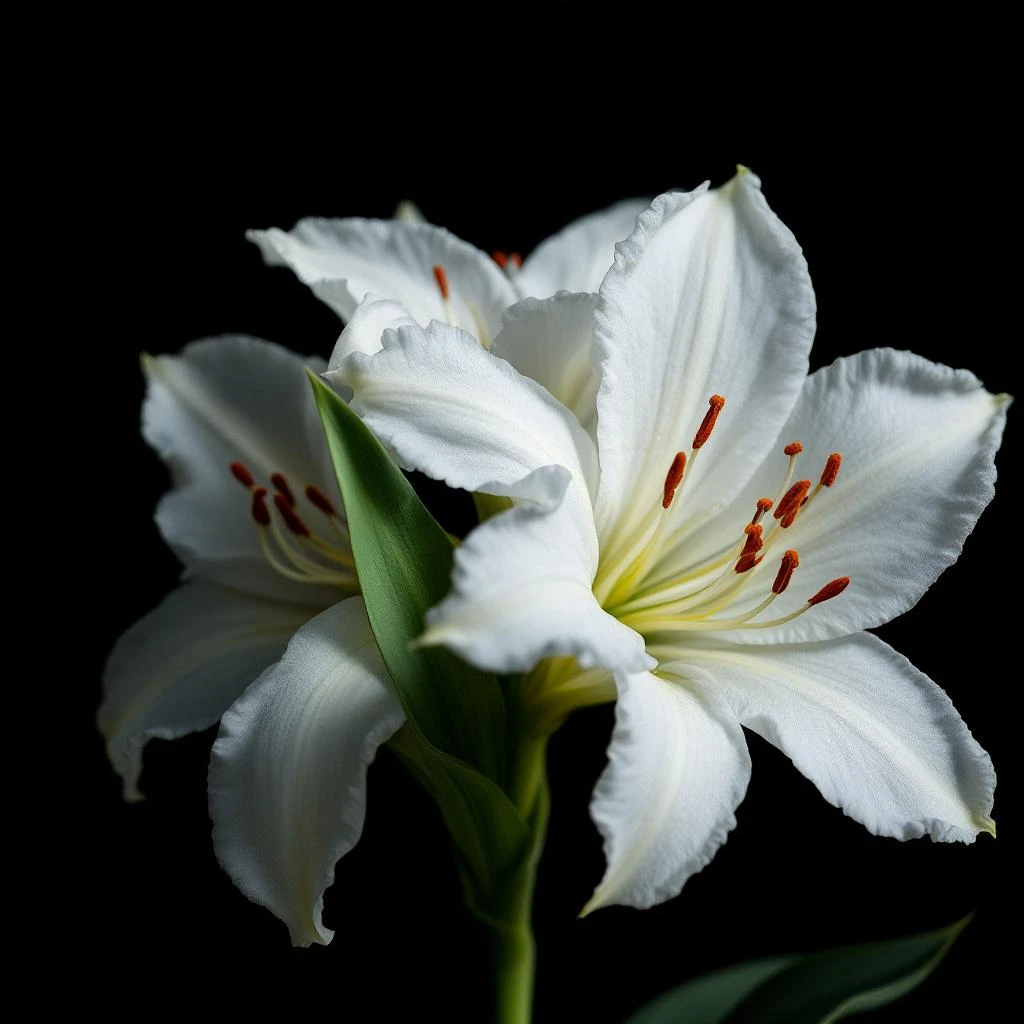
Mexican tuberose offers a lush, creamy bloom that radiates a heady, almost narcotic sweetness, instantly recalling moonlit gardens and ancient rituals. Its scent unfolds in layers of honeyed silk, edged with subtle green whispers.
Heritage
The story of Mexican tuberose begins in the high valleys of central Mexico, where Aztec priests cultivated the plant for its powerful aroma. Archaeologists have recovered tuberose residues on cacao vessels from the Templo Mayor, confirming its use in sacred chocolate drinks. In 1632 Capuchin friar Théophile Minuti carried tuberose bulbs across the Atlantic and planted them in Provence. Within a decade the flower thrived in the limestone soils of Grasse, where French growers embraced it for Baroque perfumery. By the late 1600s tuberose featured in the compositions of Maison Guerlain and other elite houses, prized for its ability to add a creamy, narcotic heart to floral bouquets. The flower’s rarity and labor‑intensive extraction elevated its price, making it a status symbol among aristocrats. Throughout the 19th century the note remained a cornerstone of classic French perfume, and in the 20th century avant‑garde creators revived it to challenge modern olfactory conventions. Today the legacy of Mexican tuberose endures as a bridge between ancient ritual and contemporary artistry.
At a Glance
2
Feature this note
Mexico
Primary source region
Ingredient Details
Solvent extraction
Flower petals
Did You Know
"Aztec priests mixed tuberose oil with cacao to create a ceremonial perfume that was believed to awaken the spirit of the god Quetzalcoatl."
Pyramid Presence