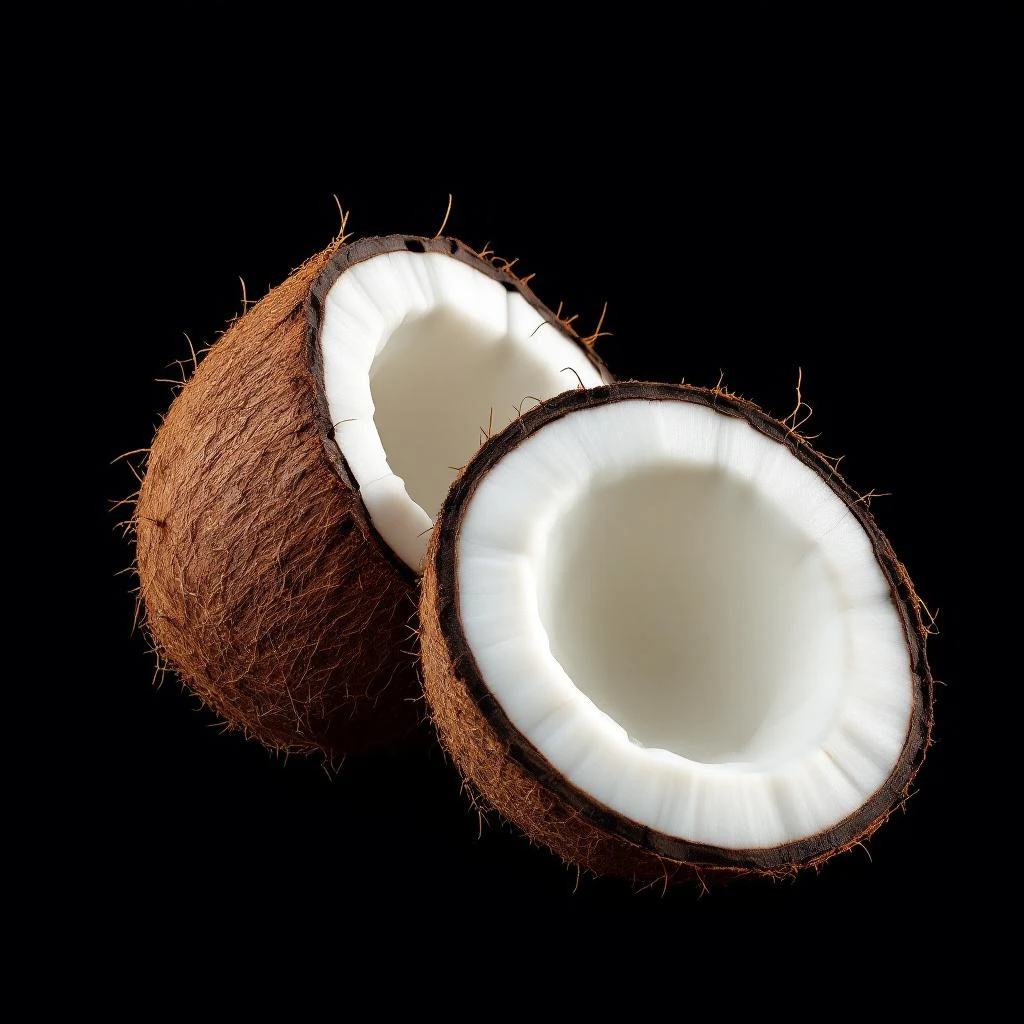
Mandarin Orange Juice
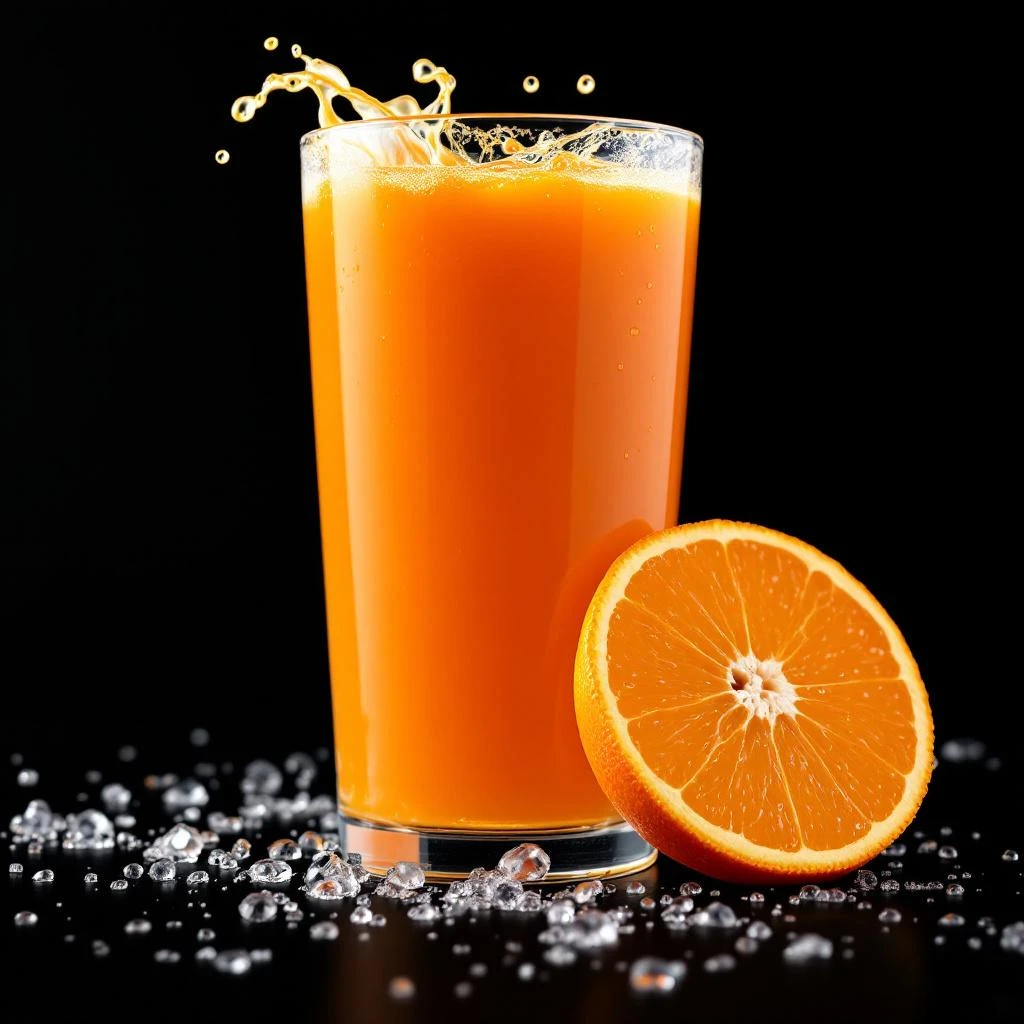
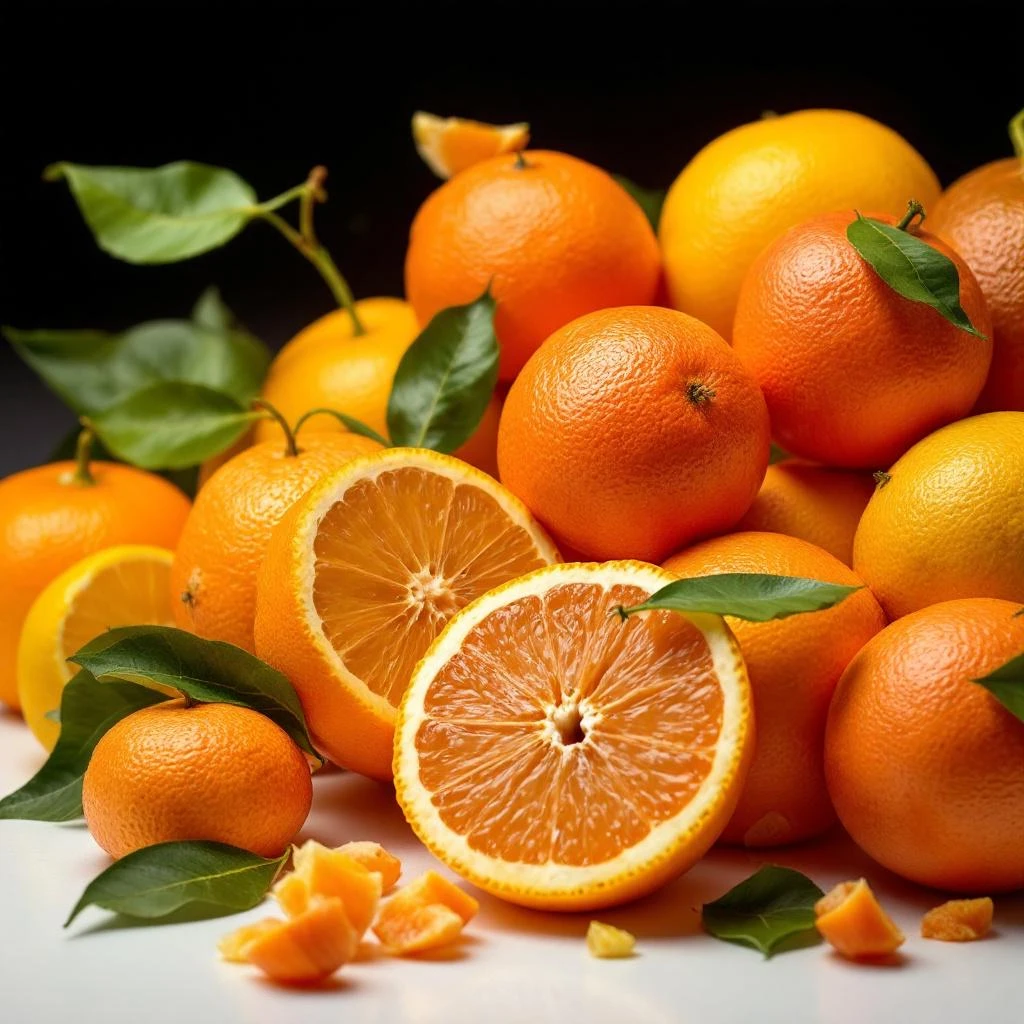
Mandarin Orange Juice brings a burst of sun-drenched sweetness to fragrance. Cold-pressed from the rind of Citrus reticulata, it delivers a bright, zesty sweetness with subtle floral undertones. The juice note captures the fruit at its most vibrant, energizing top notes and lending an addictive juiciness to citrus compositions.
Character
How it smells
Bright, sweet, and impossibly juicy.
Mandarins were once reserved exclusively for Chinese imperial courts and presented as sacred gifts to government officials during New Year celebrations.


Origin
China
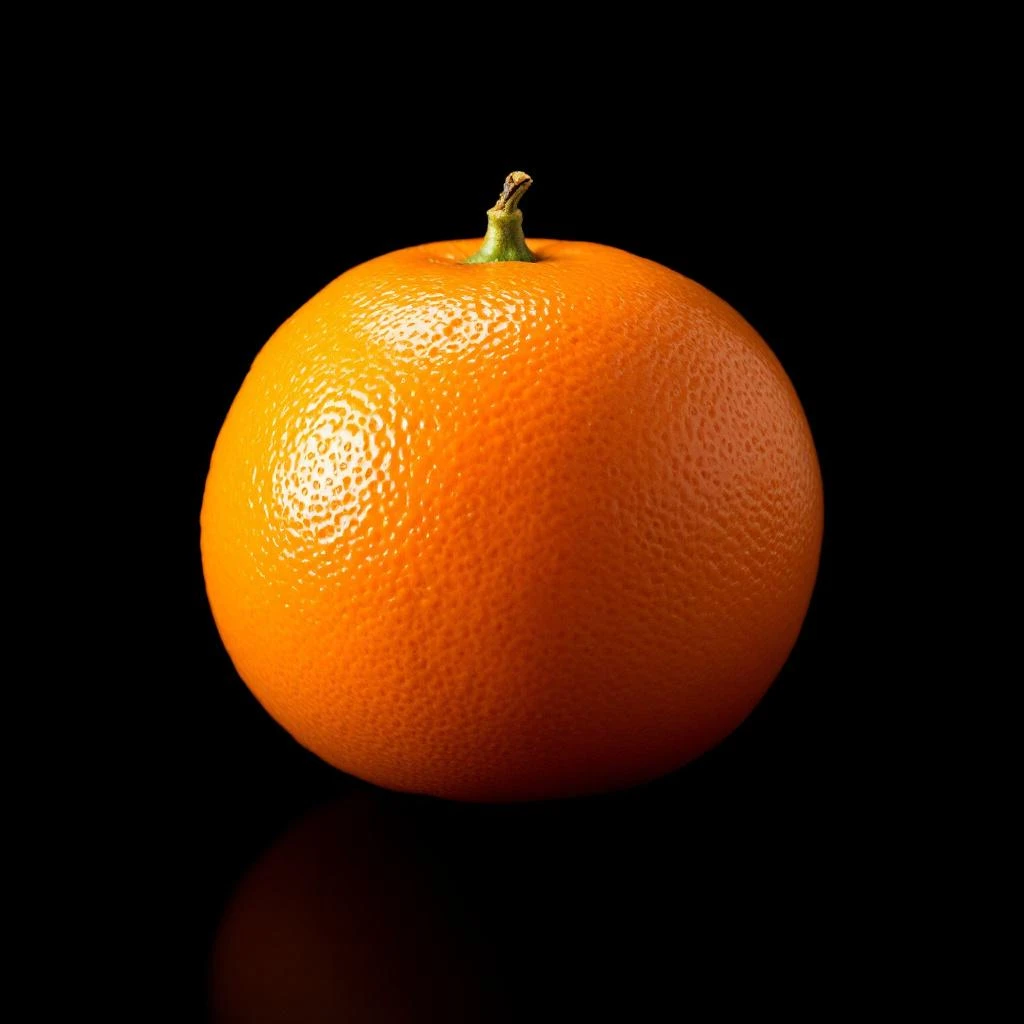
The mandarin tree originated in China, where it has been cultivated for over 4,000 years. The earliest literary mention dates to the 21st century BC, making it one of the oldest citrus fruits in continuous cultivation. The name itself reflects the fruit's historical prestige: mandarins were offered as ceremonial gifts to Chinese government officials during New Year festivals, symbolizing good fortune and abundance.
Ancient Chinese texts describe the fruit as a favorite of imperial courts, where it was prized not only for its taste but for its aromatic qualities. The fruit traveled along trade routes to Japan by the 12th century, then reached Europe through Portuguese and Dutch traders in the 1800s. Italy became a center of citrus perfumery innovation during the 19th century, developing the cold expression techniques that made mandarin extraction practical for fragrance production.
By the early 20th century, mandarin had secured its place as a foundational citrus note in modern perfumery. Its warm, approachable character made it particularly valuable for post-war fragrance development, where it appeared in countless formulas as a bridge between sharp top notes and deeper heart compositions. Today, mandarin remains one of the most universally beloved citrus materials, lending joy and accessibility to fragrances across every price point and style.
Wears it best
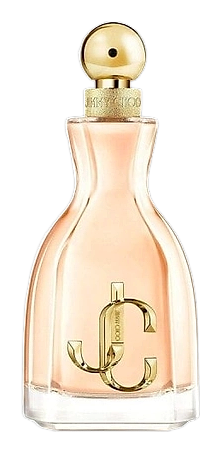
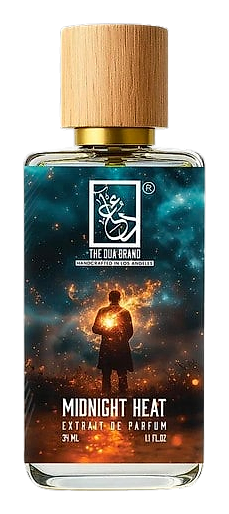
Fragrances featuring Mandarin Orange Juice

Brands
Brands known for Mandarin Orange Juice
Good to know
Questions, answered
The essentials on Mandarin Orange Juice in perfumery: how it smells, where it comes from, and how it behaves on skin.
What does Mandarin Orange Juice smell like in perfume?
Mandarin Orange Juice smells sweet, bright, and zesty with a distinctly floral undertone. It captures the fruit's juicy, sun-ripened character without the bitterness found in other citrus peels.
How is Mandarin Orange Juice extracted for perfumery?
It is extracted via cold expression, a mechanical process that presses fresh fruit peel to rupture aromatic glands without heat, preserving the volatile compounds that give mandarin its fresh, vibrant scent.
What is the difference between mandarin essential oil and mandarin juice?
Mandarin essential oil is the fatty, aromatic oil separated from the peel. Mandarin juice refers to the aqueous aromatic fraction captured during cold expression, offering a sweeter, more rounded scent profile.
What pairs well with Mandarin Orange in fragrance?
Mandarin pairs naturally with other citrus notes like bergamot and neroli, as well as white florals like orange blossom and jasmine. It also works well with light musks and woody base notes.
How does mandarin differ from regular orange in perfumery?
Mandarin is sweeter and less astringent than regular orange, with a noticeable floral quality. Orange tends toward sharp brightness, while mandarin offers a softer, more approachable juiciness.
Is mandarin used as a top, middle, or base note?
Mandarin functions almost exclusively as a top note. Its small molecular weight causes it to evaporate within 15 to 30 minutes, making it a fleeting but impactful opening impression.
Are there synthetic alternatives to natural mandarin?
While some synthetic citrus materials exist, none fully replicate mandarin's complex scent profile. Natural mandarin remains the preferred source for high-quality perfumery.
When are mandarins harvested for perfume production?
Mandarins are harvested slightly before full ripeness for perfumery. At this stage, the aromatic compounds in the peel are at maximum concentration, producing the most fragrant juice.