Java patchouli
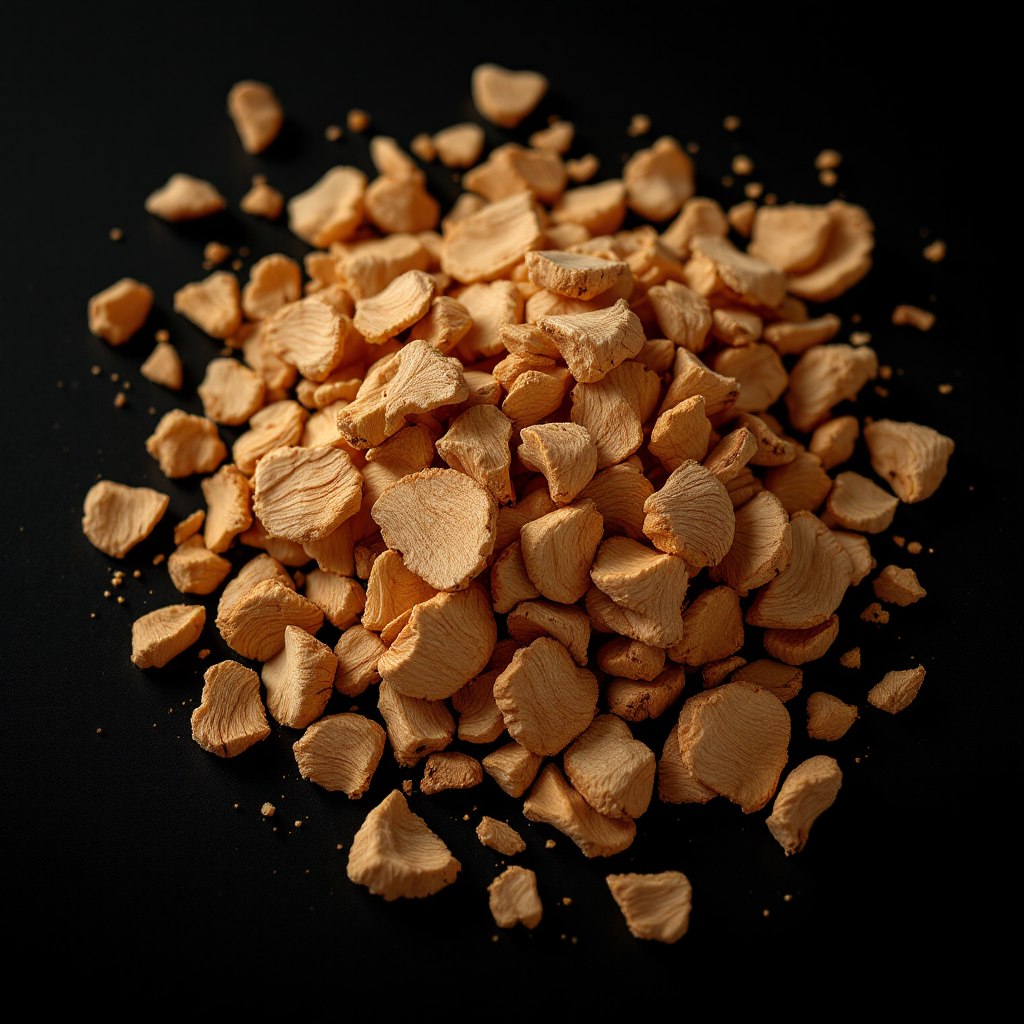
Java patchouli delivers a deep, earthy aroma anchored by rich woody undertones, offering a grounded scent that anchors modern blends with a touch of tropical heritage.
Character
How it smells
Earthy depth from Java’s heart, refined for perfumery.
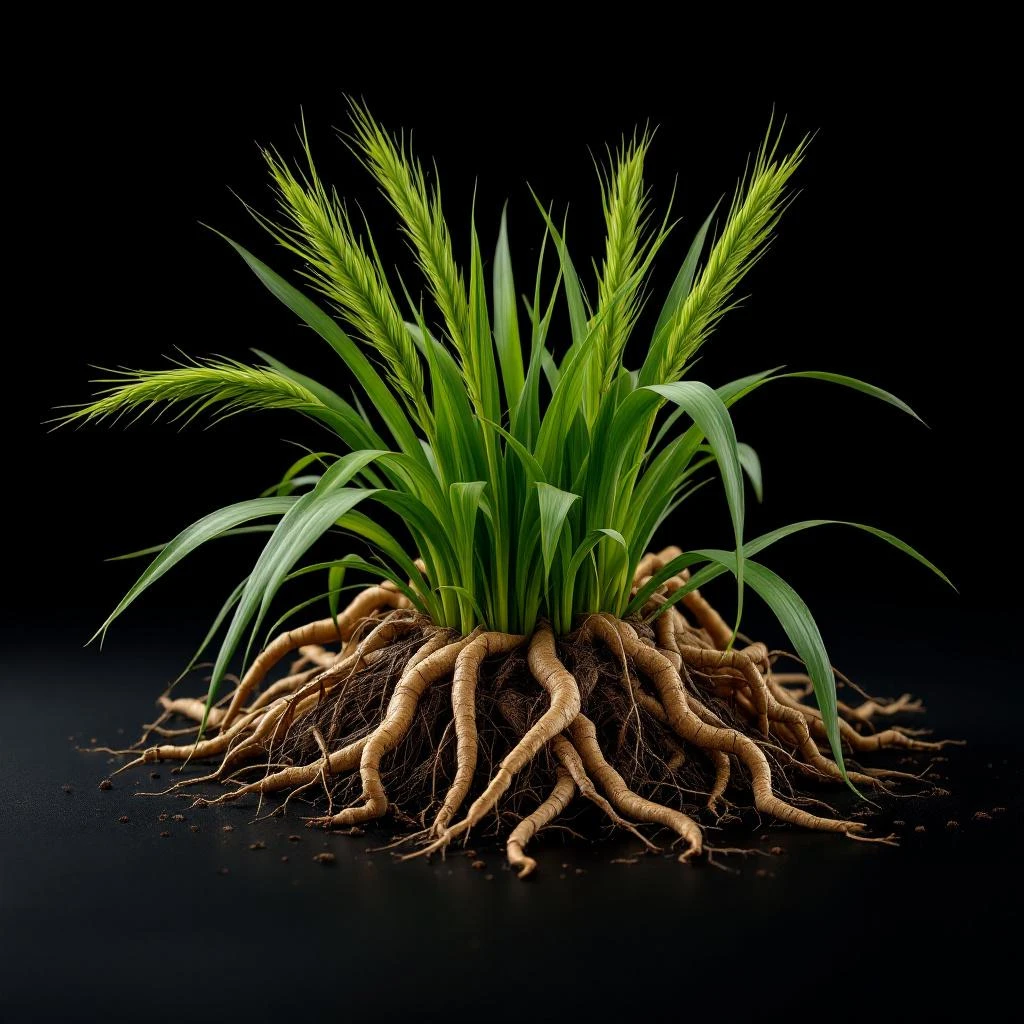
Java patchouli accounts for roughly 90% of the world’s patchouli oil, thanks to Indonesia’s humid highlands that boost leaf oil content up to 5% by weight.






Origin
Indonesia
Patchouli first appeared in the Indian subcontinent, where artisans placed dried leaves between fabric folds to deter moths during long voyages. By the 12th century, traders carried the herb along the Silk Road into the Middle East, where it gained a reputation as a natural insect repellent.
Dutch colonists introduced the plant to the Indonesian archipelago in the 1700s, and the volcanic soils of Java proved ideal for large‑scale cultivation. By the early 1900s, Java supplied most of the world’s patchouli oil, feeding the booming perfume houses of Europe.
The scent became a hallmark of bohemian culture in the 1960s, symbolising freedom and earthiness. Today, perfumers value Java patchouli for its consistent composition and the depth it adds to woody, oriental, and niche fragrances.
Wears it best
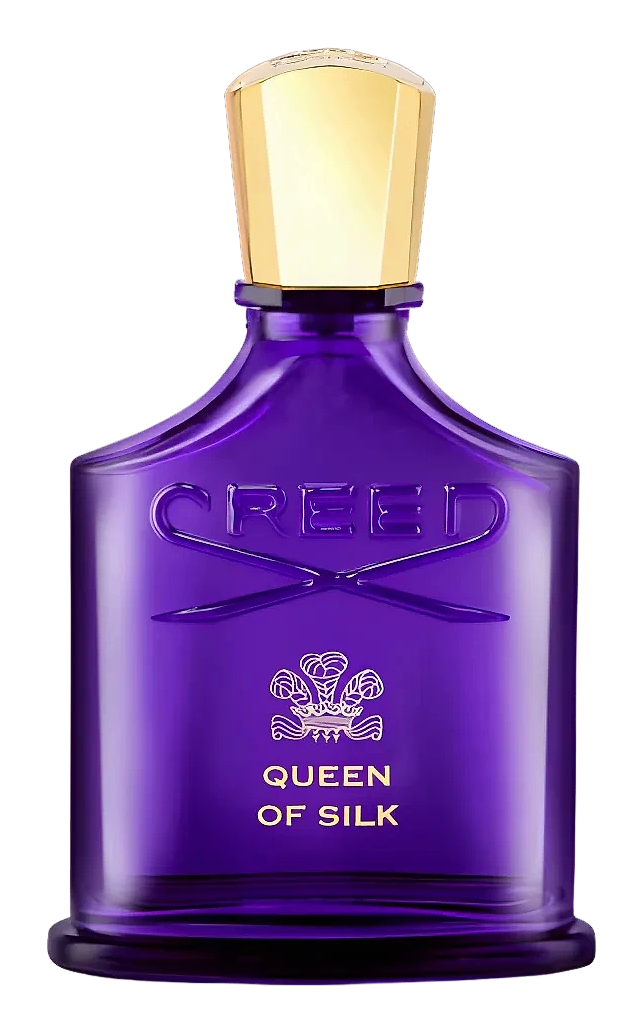
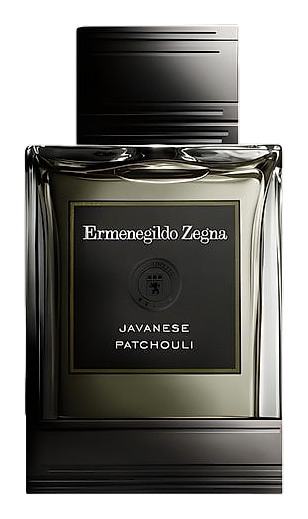
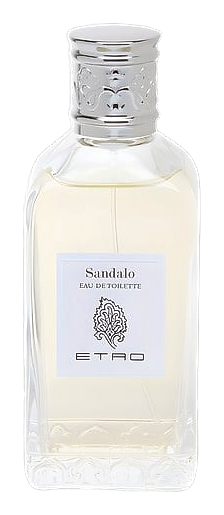
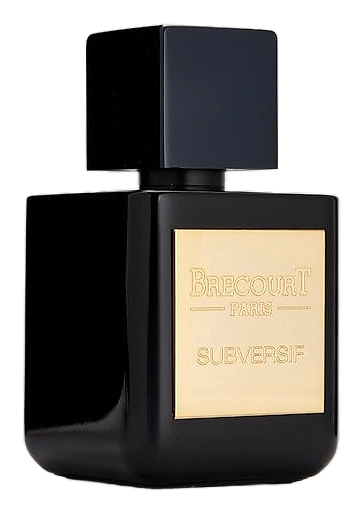
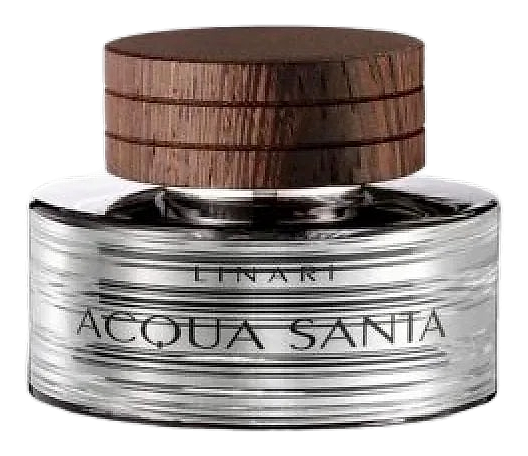
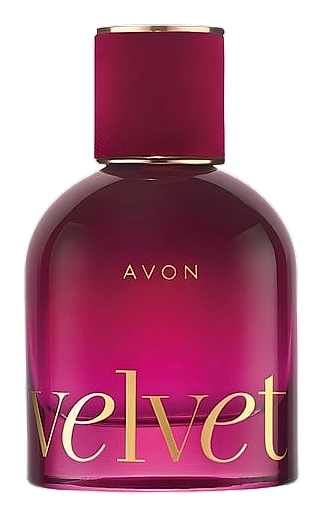
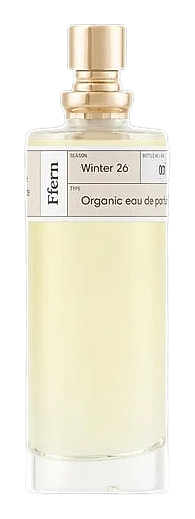
Fragrances featuring Java patchouli
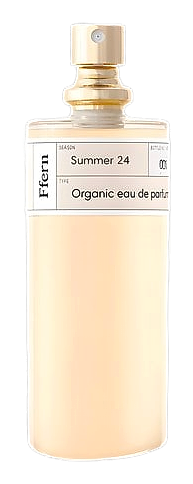
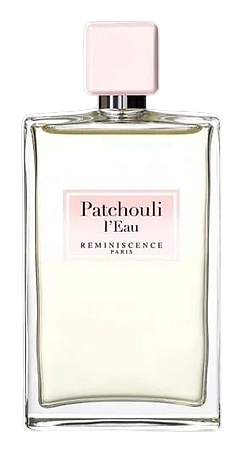
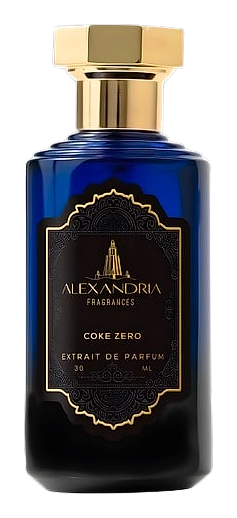
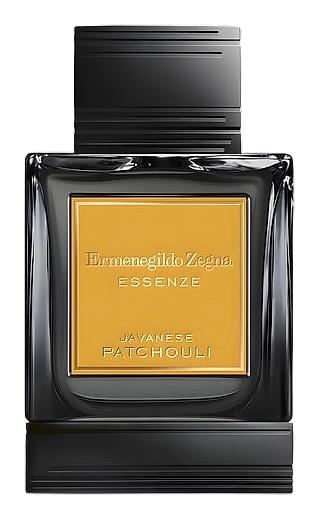
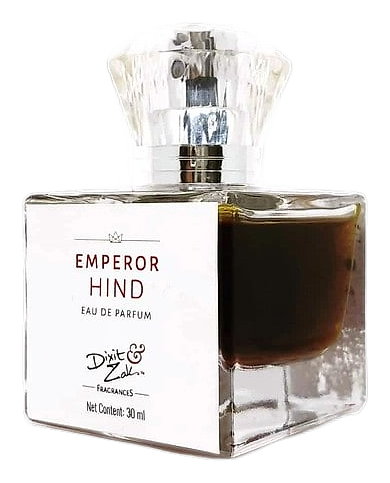
Brands
Brands known for Java patchouli
Good to know
Questions, answered
The essentials on Java patchouli in perfumery: how it smells, where it comes from, and how it behaves on skin.
What is Java patchouli?
Java patchouli is an essential oil derived from the dried leaves of Pogostemon cablin grown on the island of Java. It offers a deep, earthy aroma rich in patchoulol, and accounts for about 90 % of global patchouli production according to 2023 trade data.
How is Java patchouli oil extracted?
The oil is extracted by steam distillation of dried leaves in a stainless steel still. A typical run lasts four to six hours at 100 °C, yielding 0.5‑1.5 % oil by weight, as reported by the Indonesian Ministry of Agriculture in 2022.
Which part of the plant provides the oil?
The oil comes from the dried aerial leaves of the patchouli plant. Harvesters cut the top growth in early summer, then dry the foliage before distillation, a practice documented in agronomic guides from 2021.
Where is Java patchouli primarily cultivated?
Java patchouli is primarily cultivated on the volcanic highlands of Java, Indonesia. Roughly 90 % of the world’s patchouli oil originates from this region, according to the 2023 International Essential Oil Report.
What traditional uses does patchouli have?
Historically, patchouli leaves served as an insect repellent and fabric preservative in India and Southeast Asia. Ancient texts record that merchants placed the leaves in garment bundles to protect against moths during long sea voyages.
How does Java patchouli differ from other patchouli oils?
Java patchouli typically contains a higher concentration of patchoulol, often above 30 %, giving it a richer, more grounded scent. Comparative analyses in 2020 showed that oils from other regions average 20‑25 % patchoulol.
Is the production of Java patchouli sustainable?
Sustainable practices are common among certified farms in Java, which rotate crops and use shade‑grown methods to preserve soil health. The 2022 Indonesian Sustainable Agriculture Certification reports that 68 % of patchouli farms meet these standards.
Can Java patchouli be synthetically reproduced?
Synthetic analogues can mimic the main sesquiterpene components, but they lack the full complexity of natural oil. Laboratory data from 2021 shows that synthetic patchoulol reproduces only about 70 % of the olfactory profile measured in human panels.