Iris pallida absolute
The violet, powdery essence that commands patience and premium. Iris pallida absolute captures the most expensive raw material in perfumery—three years of cultivation minimum before the precious orris butter emerges from ancient rhizomes.
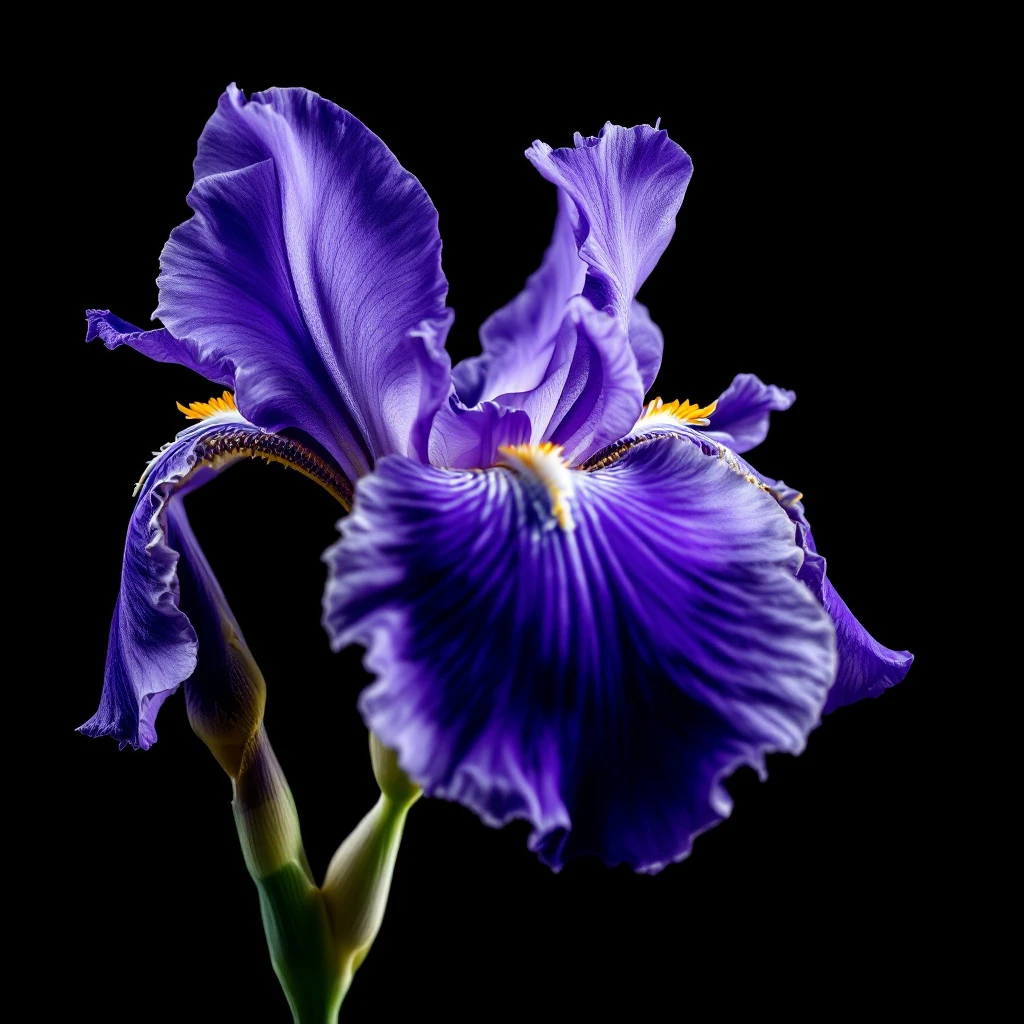
Character
How it smells
Six years in the making. More precious than gold.
Iris butter costs more per kilogram than gold. Only Iris pallida from Tuscany produces the true orris absolute prized since the Renaissance.




Origin
Italy
Iris pallida entered perfumery history in 1892 with Vera Violeta by Roger & Gallet, a fragrance that introduced the orris note to modern perfumery. Yet the ingredient's legacy stretches far earlier—Catherine de Medici received orris-root powders as diplomatic gifts during the Renaissance, establishing the ingredient as a symbol of status. Ancient Egyptians and Romans valued orris for medicinal and cosmetic applications, grinding the rhizomes into early unguents and perfumes.
The tiny Tuscan village of San Polo became the spiritual home of premium orris cultivation, where small family farms maintain traditional methods passed through generations. This continuity from Renaissance courts to contemporary laboratories underscores orris as one of perfumery's most enduring materials.
Wears it best
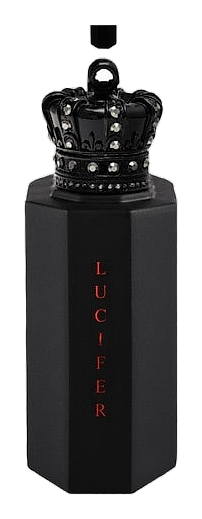
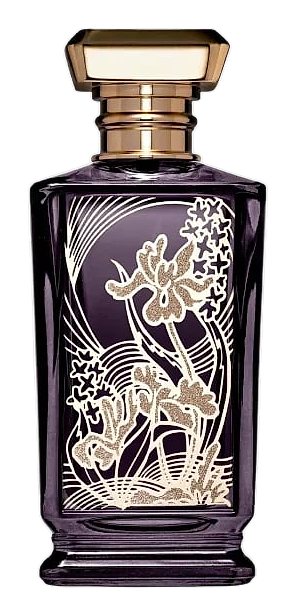
Fragrances featuring Iris pallida absolute

Brands
Brands known for Iris pallida absolute
Good to know
Questions, answered
The essentials on Iris pallida absolute in perfumery: how it smells, where it comes from, and how it behaves on skin.
Why does orris absolute cost more than gold?
Orris commands gold-level pricing due to its six-year production window. Three years pass before harvest, followed by three more years of rhizome drying. One tonne of dried root yields just one kilogram of absolute, creating extreme scarcity.
How long does it take to produce orris absolute from planting to finished absolute?
Production requires a minimum of six years. Growers plant Iris pallida rhizomes, wait three years to harvest, then cure the dried roots for another three years before extraction. No shortcuts exist—the aging process develops the signature violet accord.
What does orris smell like?
Orris delivers a clean violet and powdery character with green, earthy undertones. The scent carries subtle sweetness and a rooty, almost medicinal quality. Its versatility allows it to read as floral, woody, or musky depending on the fragrance composition.
Why is Iris pallida the only species used for orris absolute?
Only Iris pallida produces the true orris character perfumers seek. Other species like Iris germanica lack the refined, powdery violet note. Iris pallida's specific irone profile creates the signature aroma that defines quality orris materials.
When did perfumers first use iris absolute in fragrances?
Roger & Gallet introduced iris absolute in Vera Violeta (1892), marking its official entry into modern perfumery. However, orris root itself dates to Renaissance France, where Catherine de Medici received it as a treasured scent ingredient.
Where does the best orris absolute originate?
Tuscany, Italy produces the benchmark orris material. Small family farms near San Polo maintain traditional cultivation methods that have defined premium orris for centuries. Chinese production has expanded significantly in recent years.
What part of the iris plant produces the absolute?
Perfumers extract absolute from the rhizomes, commonly called orris root. These underground stems store the aromatic compounds that develop only after years of careful curing. The flowers themselves contribute no scent to the absolute.
What gives iris absolute its characteristic powdery violet note?
The irone compounds within cured rhizomes create the signature violet and powdery impression. During the three-year drying period, precursor molecules transform into these aromatic constituents, making the curing process essential to achieving the desired scent profile.