    Ingredient Profile

    Indian lotus fragrance note

    Indian lotus offers a serene, watery floral aroma that whispers of sunrise over still ponds, blending subtle green nuances with a faint hone…More

    India

    1

    Fragrances

    Fragrances featuring Indian lotus

    Character

    The Story of Indian lotus

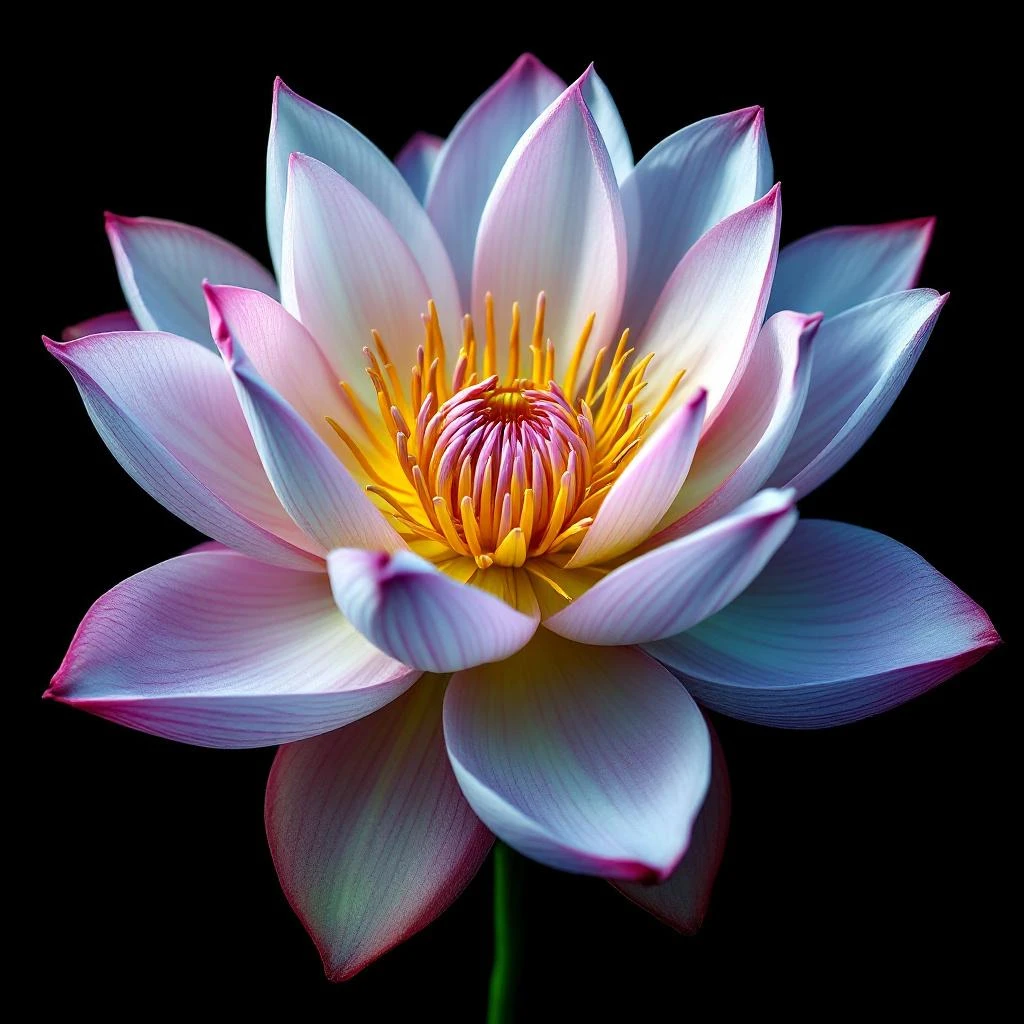
    Indian lotus offers a serene, watery floral aroma that whispers of sunrise over still ponds, blending subtle green nuances with a faint honeyed warmth that grounds modern compositions.

    Heritage

    Lotus has anchored South Asian fragrance traditions for millennia. Archaeologists uncovered lotus‑shaped perfume containers in Indus Valley sites dating to 2600 BCE, indicating early use of the flower in ritual scenting. Vedic texts praise the lotus as a symbol of purity, and temple priests burned its petals to create fragrant incense for worship. By the 7th century, traders carried lotus extracts along the Silk Road to the Middle East, where Persian alchemists documented its calming aroma. In the 19th century, colonial botanists introduced the sacred lotus to Europe, sparking a wave of fascination that led to the first synthetic recreations in French laboratories. Today, Indian lotus remains a niche yet revered note, linking contemporary perfumery to its ancient ceremonial roots.

    At a Glance

    Fragrances

    1

    Feature this note

    Origin

    India

    Primary source region

    Ingredient Details

    Extraction

    Solvent extraction

    Used Parts

    Flower petals

    Did You Know

    "The sacred lotus can close its flowers at night and reopen at dawn, a daily rhythm that inspired ancient Indian perfumers to seek a scent that mirrors this rebirth."

    Production

    How Indian lotus Is Made

    Lotus fragrance begins with hand‑picked blossoms harvested at peak bloom, usually in early morning when volatile compounds are most concentrated. Because the petals contain only trace essential oils, perfumers turn to solvent extraction, immersing the petals in a food‑grade hexane that pulls out the aromatic molecules. The resulting concrete is pressed, filtered, and vacuum‑distilled to yield a clear, amber‑toned absolute. Modern labs may supplement with supercritical CO2 extraction to preserve delicate green notes while reducing solvent residues. The absolute is then aged briefly in stainless steel to stabilize its profile before blending. Throughout, producers follow strict botanical sourcing standards to protect wild lotus populations and ensure consistent quality.

    Provenance

    India

    India25.3°N, 83.0°E

    About Indian lotus