Egyptian White Lotus
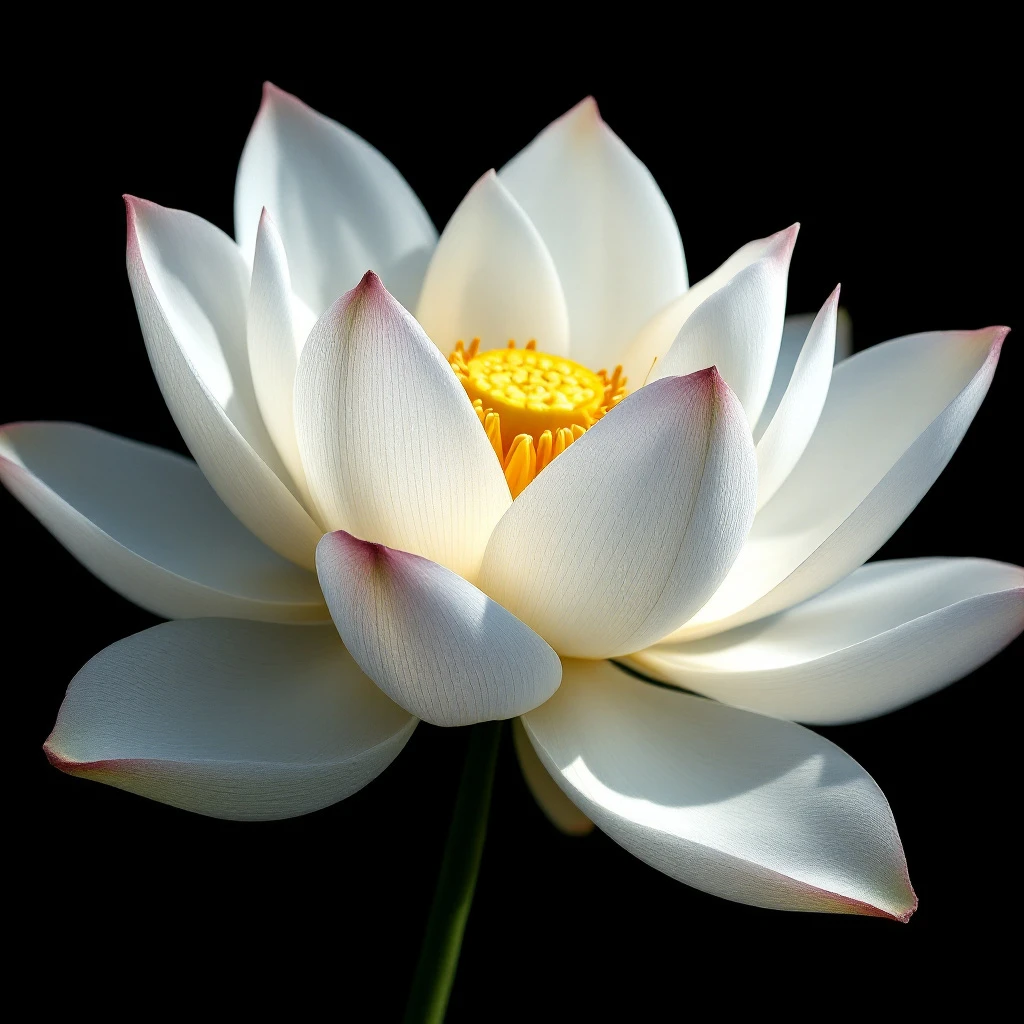
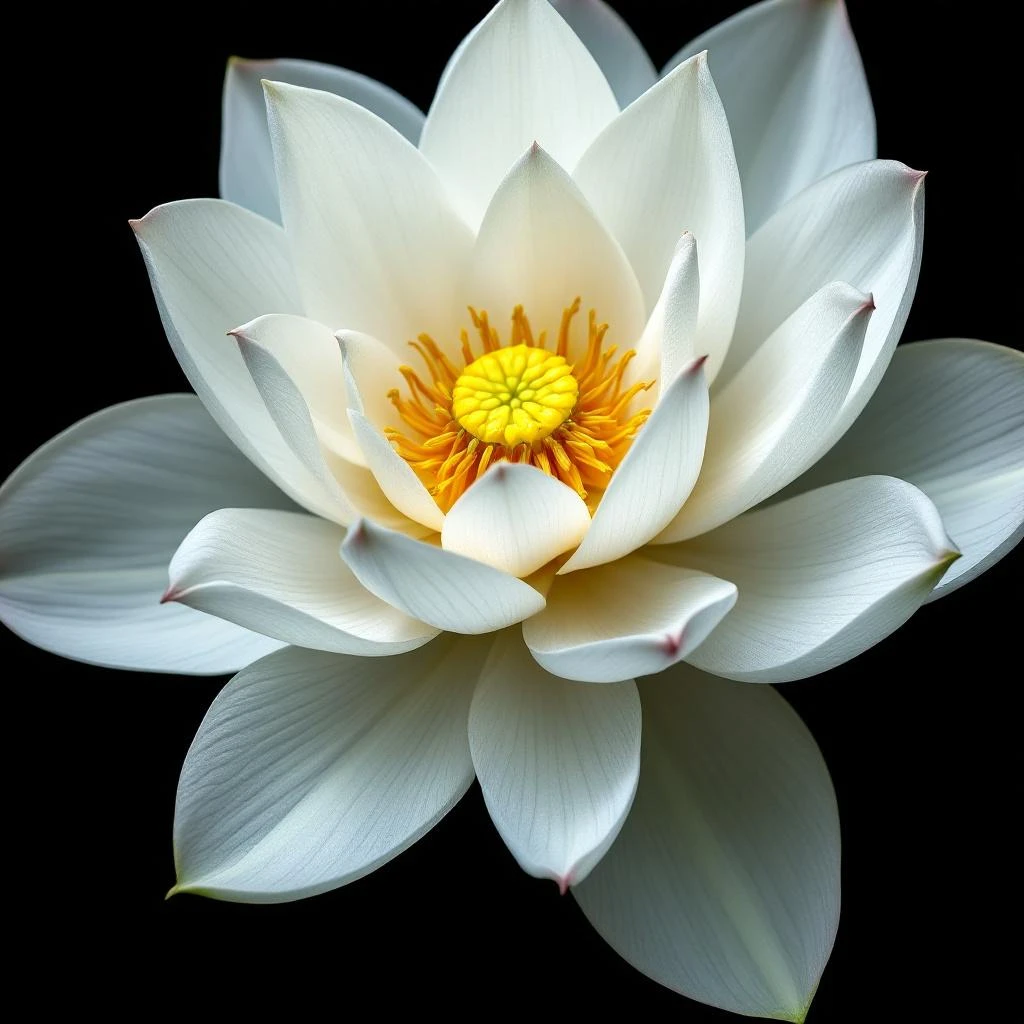
The sacred flower of ancient Egypt, Egyptian White Lotus carries delicate aquatic sweetness with subtle honeyed undertones. A note that evokes calm waters and spiritual rebirth, connecting you to five millennia of perfumery heritage.
Character
How it smells
Sacred Waters: Egypt's Lotus of Rebirth
The Blue Lotus was so revered that Egyptian women wore scented cones made of beeswax and perfume fat on their heads at royal feasts and religious ceremonies.



Origin
Egypt
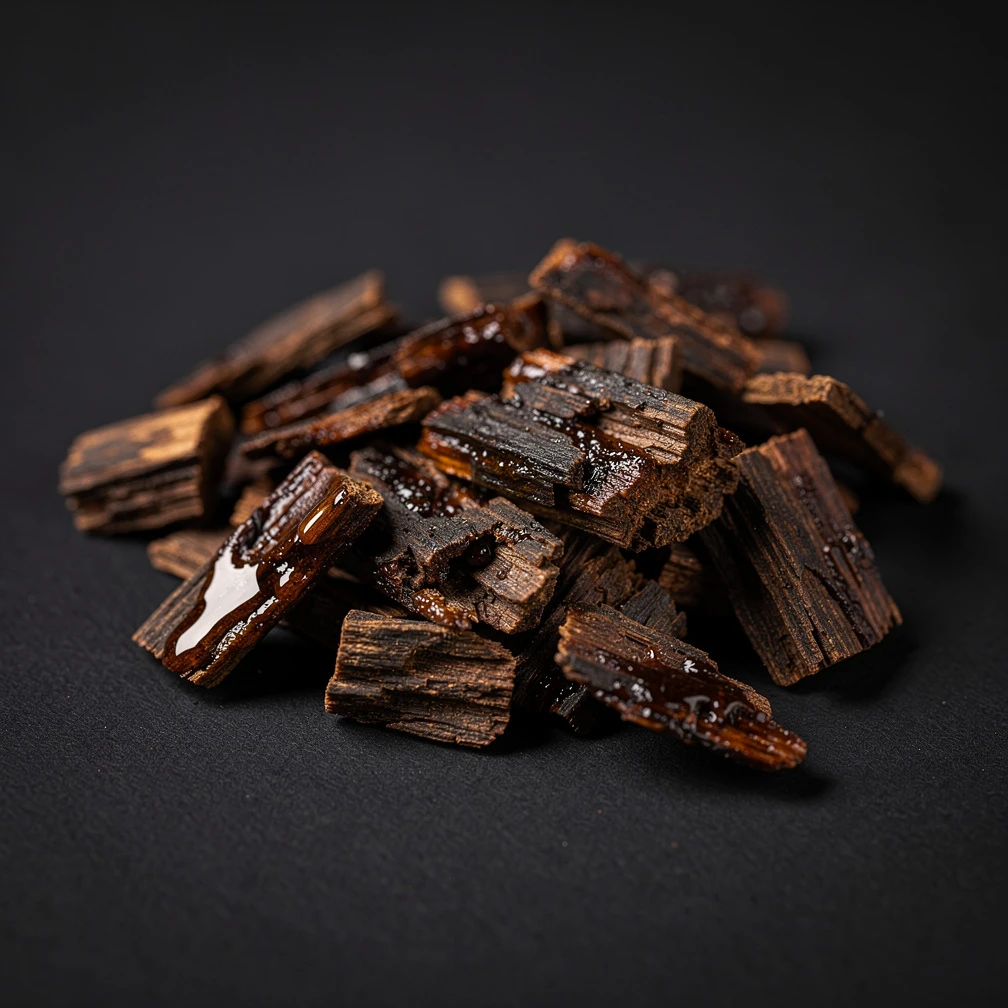
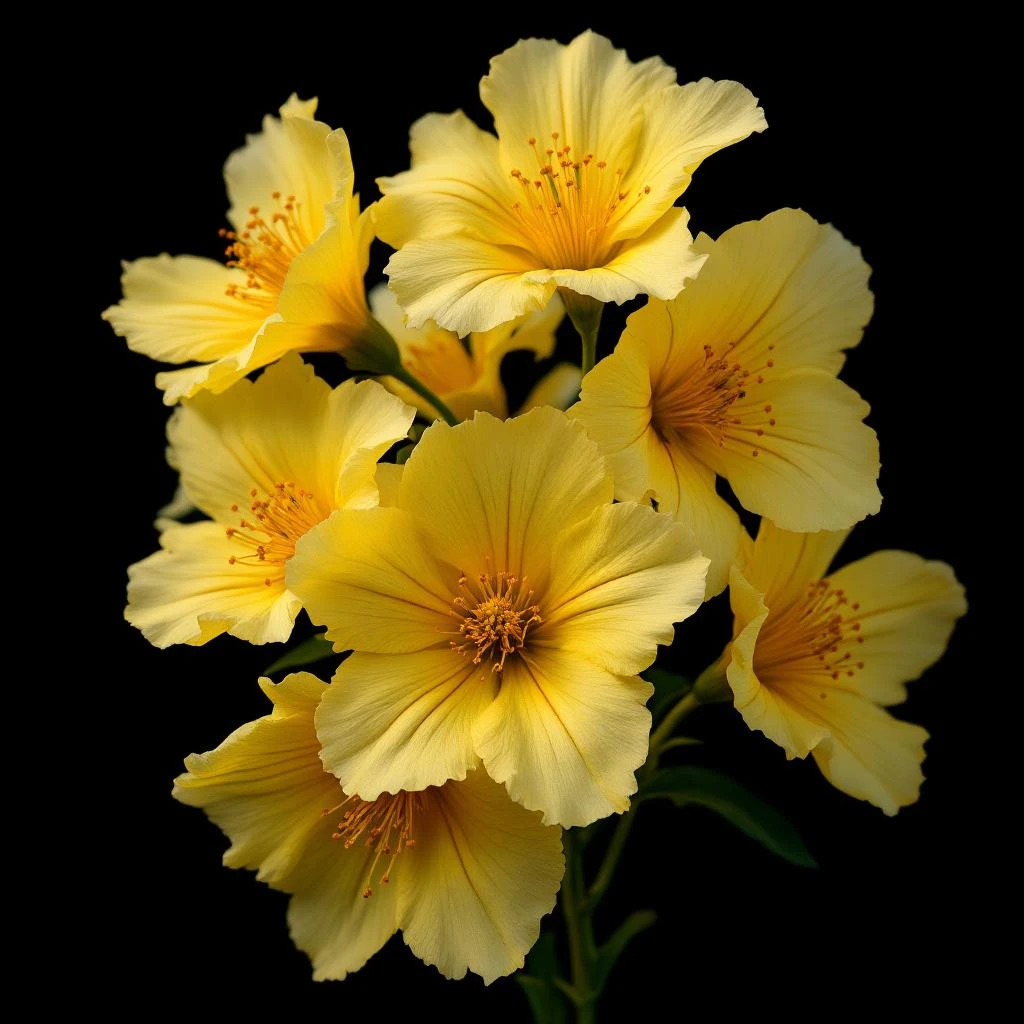
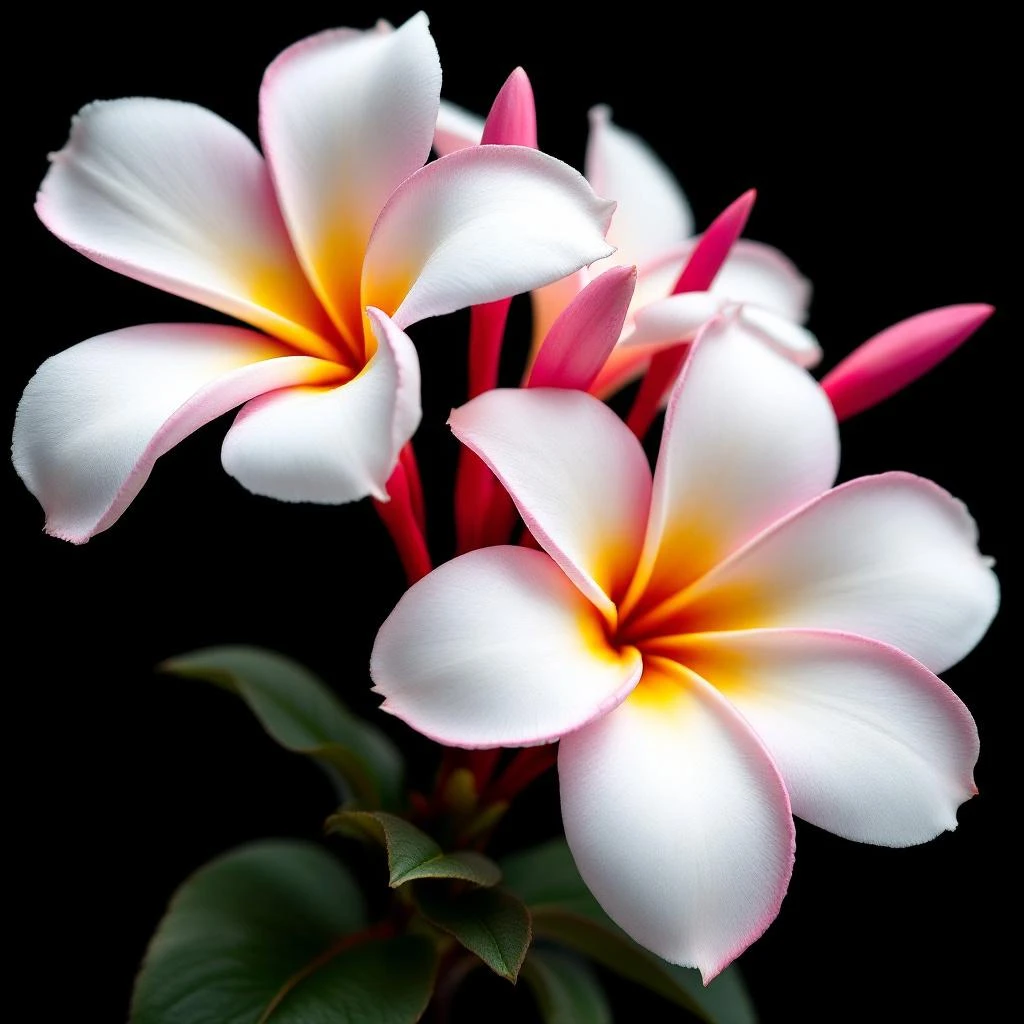
Five thousand years of continuous use trace back to ancient Egypt, where hieroglyphics in tombs reveal that Egyptians and Mesopotamians were already creating perfume around 3000 BCE, with lotus central to their aromatic traditions. The flower became so culturally significant that it became associated with Nefertem, the god of perfume and healing. Egyptian perfumers developed legendary formulations like Susinum, combining lily, myrrh, and lotus.
The lotus carried profound symbolic weight, its daily bloom mirroring the sun's journey across the sky. Priests used lotus preparations in religious rites, while nobles wore scented cones at royal banquets. The ancient Greeks imported Egyptian lotus, recognizing its exceptional quality.
Today, perfumers continue this ancient legacy, incorporating lotus into modern aquatic florals that echo its timeless appeal.
Wears it best
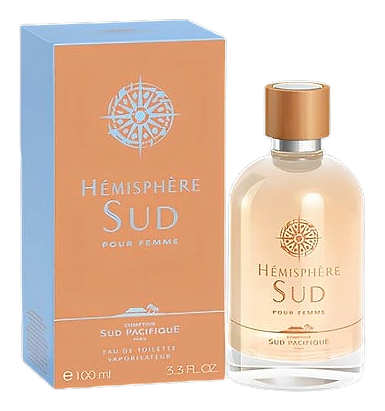
Fragrances featuring Egyptian White Lotus
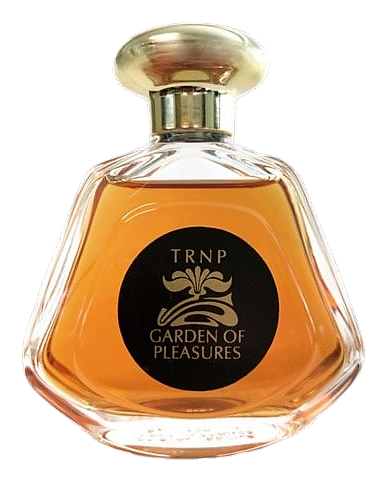
Brands
Brands known for Egyptian White Lotus
Good to know
Questions, answered
The essentials on Egyptian White Lotus in perfumery: how it smells, where it comes from, and how it behaves on skin.
What does Egyptian White Lotus smell like?
Egyptian White Lotus produces a delicate, fresh floral scent with aquatic and slightly green character. The note carries subtle honey undertones and a creamy, waxy quality that feels clean and serene.
Where does Egyptian White Lotus originate?
Egyptian White Lotus originates from the Nile Delta region in Egypt. Ancient Egyptians first cultivated lotus for religious and perfumery purposes over 5,000 years ago.
How is Egyptian White Lotus extracted?
Egyptian White Lotus is primarily extracted via solvent extraction, producing a precious absolute. Traditional enfleurage, where petals rest on cold fats, is also used in some production.
What role did lotus play in ancient Egyptian culture?
In ancient Egypt, lotus symbolized rebirth, purity, and divinity. Priests used it in religious rites and funerary practices. The goddess Nefertem was associated with lotus, and nobles wore scented lotus cones at royal banquets.
Is lotus commonly used in modern perfumery?
Yes, lotus appears frequently in modern perfumery, especially in aquatic and fresh floral compositions. It provides a subtle, clean floral character that enhances and brightens other notes.
Is Egyptian White Lotus natural or synthetic?
Egyptian White Lotus is typically natural, extracted from flower petals via solvent extraction. Synthetic versions exist but are less common in premium fragrances.
What other ingredients pair well with lotus?
Lotus pairs well with aquatic notes, white musks, light florals like jasmine, and ozonic accords. It also complements green tea and soft woods in modern formulations.
How should lotus-fragranced products be stored?
Fragrances containing lotus should be stored away from heat and direct sunlight. The delicate aromatic compounds break down faster when exposed to warmth, so a cool, dark environment preserves the scent longer.