Character
The Story of Chinese herbs
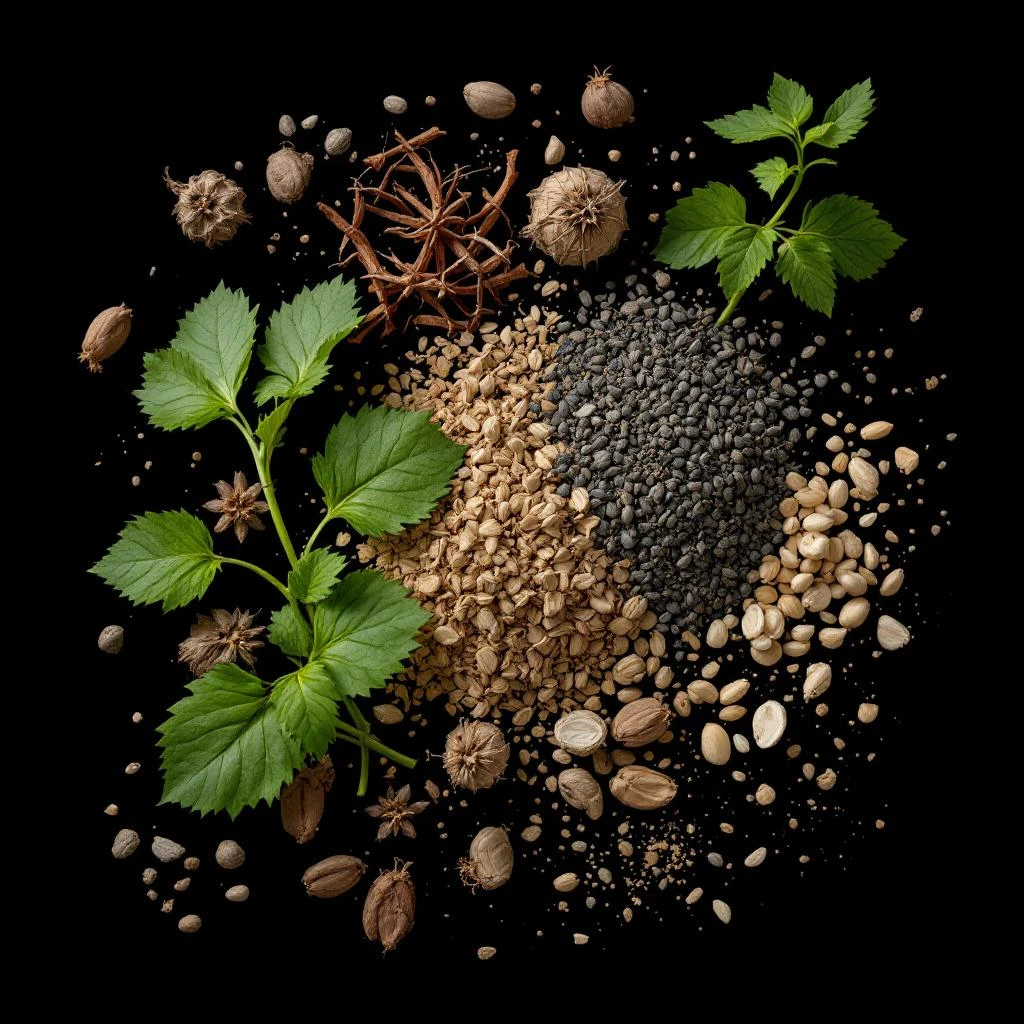
Chinese herbs bring a grounded, medicinal edge to fragrance, offering earthy, spicy, and subtly sweet tones that echo centuries of ritual, healing, and botanical wisdom from the heart of ancient China.
Heritage
Ancient Chinese societies burned herb blends as incense to honor ancestors and to invoke health, blurring the line between medicine and perfume. Texts from the Han dynasty describe mixtures of Angelica, cinnamon bark, and frankincense used in royal rites, reflecting the belief that scent could balance the body's internal energies. By the Tang era, trade routes introduced new botanicals, expanding the herbal palette and allowing perfumers to craft more complex accords. The Ming and Qing courts codified fragrant formulas in imperial manuals, many of which survive as recipes for modern fragrance houses. Throughout history, Chinese herbal aromatics have served both therapeutic and aesthetic purposes, reinforcing the cultural notion that every perfume is a form of medicine.
At a Glance
1
Feature this note
China
Primary source region
Ingredient Details
Steam distillation
Dried roots, leaves, bark
Did You Know
"The herb Cinnamomum cassia was first recorded in Chinese perfume formulas over 1,800 years ago, predating its common use as a culinary spice in Europe."