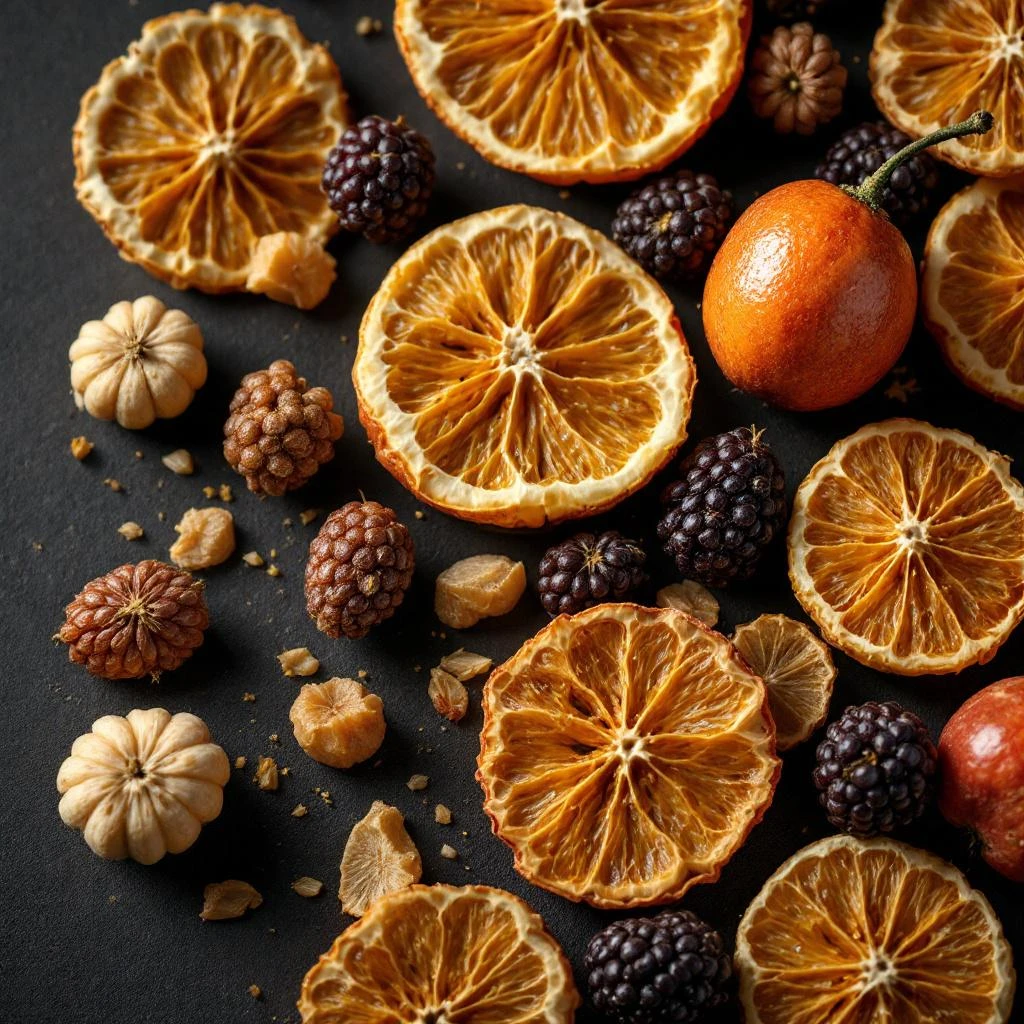
Baobab fruit
Baobab fruit offers a bright, slightly tart aroma that bridges fresh citrus and subtle earthiness, making it a versatile note for modern fragrance compositions.
Character
How it smells
Africa's sunrise in a single fruit note.
The baobab tree can store up to 120 000 liters of water in its trunk, allowing fruit to develop even during prolonged droughts.



Origin
Burkina Faso
Baobab has long served as a food and medicinal resource for West African communities, where its fruit pulp is eaten fresh or powdered for drinks. Early traders noted the tree's massive trunk and called it the "tree of life," a reputation that spread across the Sahara. In the late 1800s, European explorers brought dried baobab pulp to France, where perfumers experimented with its subtle acidity.
By the mid‑20th century, the fruit's oil appeared in niche African‑inspired fragrances, valued for its fresh, slightly woody nuance. Recent collaborations between local cooperatives and European labs have refined extraction techniques, allowing baobab oil to enter mainstream perfume houses as a sustainable, regionally sourced ingredient.
Wears it best
Fragrances featuring Baobab fruit
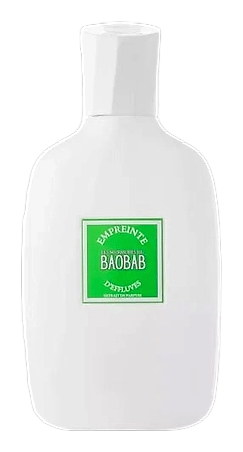
Brands
Brands known for Baobab fruit
Good to know
Questions, answered
The essentials on Baobab fruit in perfumery: how it smells, where it comes from, and how it behaves on skin.
What part of the baobab tree is used in perfumery?
The fruit pulp and its inner seeds provide the oil used in fragrance. In 2022, Evonik reported that seed oil yields about 8 % by weight after cold‑pressing.
How is baobab oil extracted?
Baobab oil is obtained by cold‑pressing dried seeds at low temperature. The process keeps the oil below 40 °C, preserving its natural aroma compounds.
What scent profile does baobab contribute?
Baobab adds a fresh, slightly tart note with hints of green fruit and soft earth. Sensory panels recorded a citrus‑green character with a faint woody undertone.
Is baobab considered a sustainable ingredient?
Yes, baobab is harvested from wild trees that regenerate quickly after fruit removal. Studies show that a single tree can produce fruit for up to 30 years without harming its health.
When did baobab first appear in Western perfumery?
Baobab entered Western fragrance labs in the late 19th century, after explorers introduced the fruit to France. The first recorded use appears in a 1894 French perfume catalogue.
Are there any allergen concerns with baobab oil?
Baobab oil is low in common fragrance allergens and is generally regarded as safe. The International Fragrance Association lists it as a low‑risk material in its 2021 safety assessment.
How does baobab compare to other fruit oils?
Baobab offers a brighter acidity than mango or papaya oil, while maintaining a subtle woody base. Analytical data shows a higher proportion of citral and low‑level terpenes.
What storage conditions keep baobab oil stable?
Store baobab oil in a cool, dark place at temperatures below 20 °C. A 2020 stability test recorded a 12‑month shelf life when kept in amber glass away from light.