
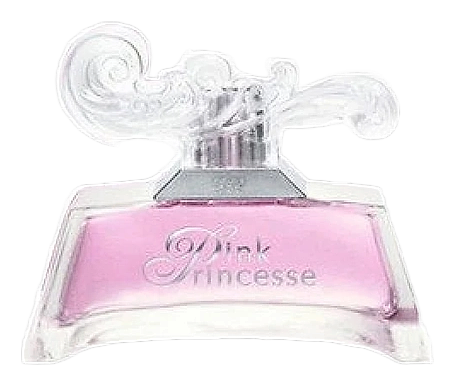

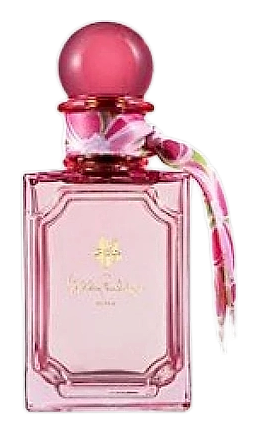


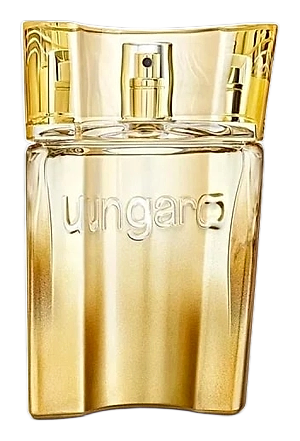
Character
The Story of Anjou Pear
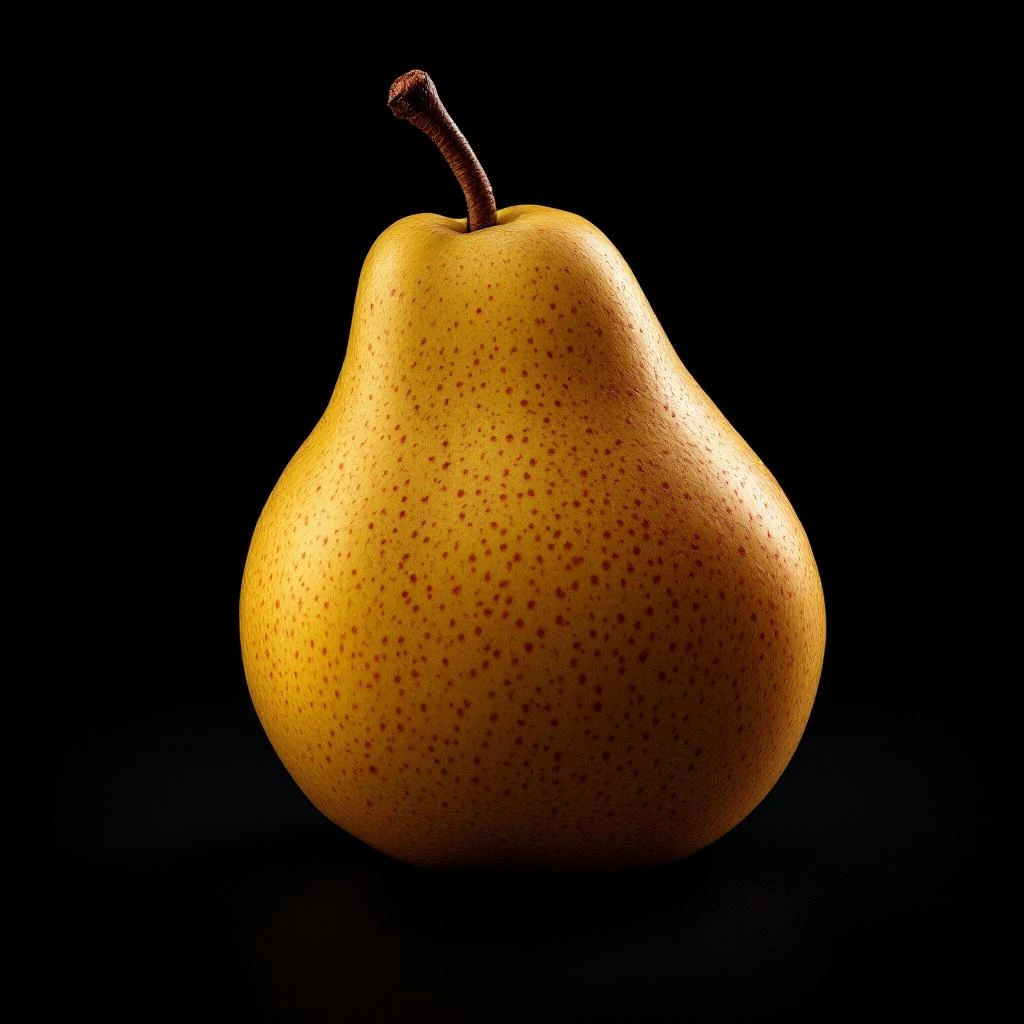
Anjou pear serves as a bright, juicy top note in perfumery, opening fragrances with a light, fresh sweetness. This versatile ingredient blends effortlessly with floral, green, and woody accords to create compositions ranging from crisp everyday scents to sophisticated evening wear. Its natural elegance makes it a staple for sheer, clean fragrance profiles.
Heritage
The Anjou pear traces its origins to the Anjou region of France, located in the Loire Valley along the Loir River. First documented in the early 19th century, this variety quickly gained favor among French horticulturists for its exceptional storage qualities and consistent fruit production. The pear arrived in the United States via steamship in the 1840s, finding ideal growing conditions in the fertile orchards of the Pacific Northwest, particularly Oregon's Willamette Valley and Washington's Yakima Valley. Commercial cultivation expanded dramatically in the early 20th century as growers recognized the variety's hardiness and reliable yields. Today, two primary types dominate markets worldwide: the green Anjou, which maintains its bright green hue even when fully ripe, and the red Anjou, valued for its striking crimson skin. Both varieties feature the characteristic egg-shaped profile with a broad base and short neck that distinguishes them from other European pear cultivars.
At a Glance
10
Feature this note
France
Primary source region
Ingredient Details
Synthetic production via esterification; key aroma chemicals include ethyl (E,Z)-2,4-decadienoate and methyl anjoulate
Fruit (for natural reference); synthetic aroma chemicals replicating fruit esters
Did You Know
"The signature aroma of ripe Anjou pear comes from ethyl (E,Z)-2,4-decadienoate, a single ester molecule so potent that just 5% concentration can define an entire pear-musk accord."
Pyramid Presence