Character
The Story of African Ginger
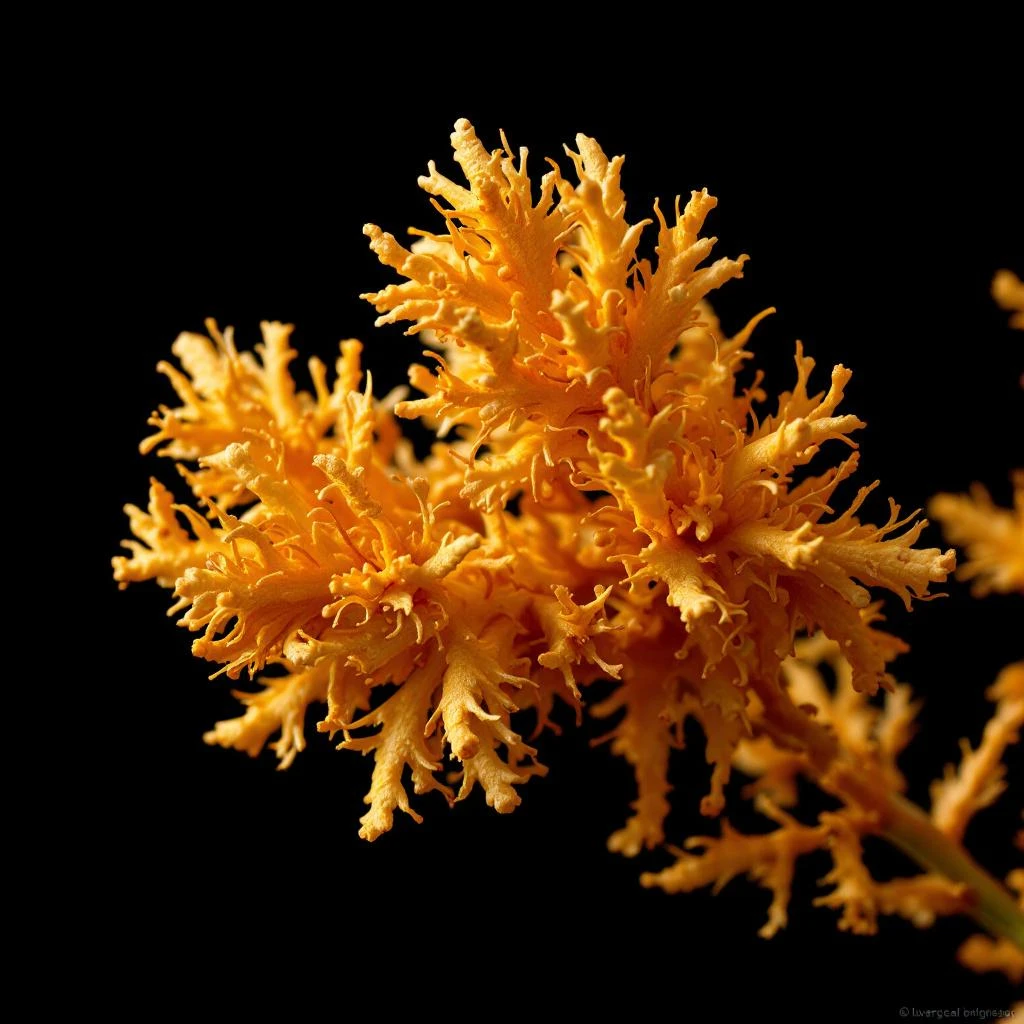
African ginger delivers a bright, peppery spark that lifts a blend with crisp heat and subtle citrus. Its essential oil captures the plant’s fresh zing, making it a versatile accent in modern perfumery.
Heritage
Ginger first appeared in the spice routes of Southeast Asia over 4,000 years ago, where it was prized for its medicinal heat and culinary spark. Traders carried dried rhizomes across the Indian Ocean, introducing the spice to East Africa by the first millennium CE. African coastal markets quickly adopted ginger, integrating it into traditional remedies and ceremonial incense. By the 19th century, colonial botanists documented the plant’s cultivation in Tanzania and Kenya, noting its suitability for the tropical climate. Early perfumers in Europe began extracting ginger oil in the 1800s, using it to add a fresh, spicy edge to masculine colognes and exotic oriental blends. Today, African-grown ginger continues to feed both culinary and aromatic traditions, linking ancient trade routes to contemporary scent design.
At a Glance
5
Feature this note
Tanzania
Primary source region
Ingredient Details
Steam distillation
Fresh or dried rhizomes
Did You Know
"The rhizomes of African ginger can retain their aromatic potency for up to three years when stored in cool, dark conditions, a longevity that outlasts many other spice oils."
Pyramid Presence