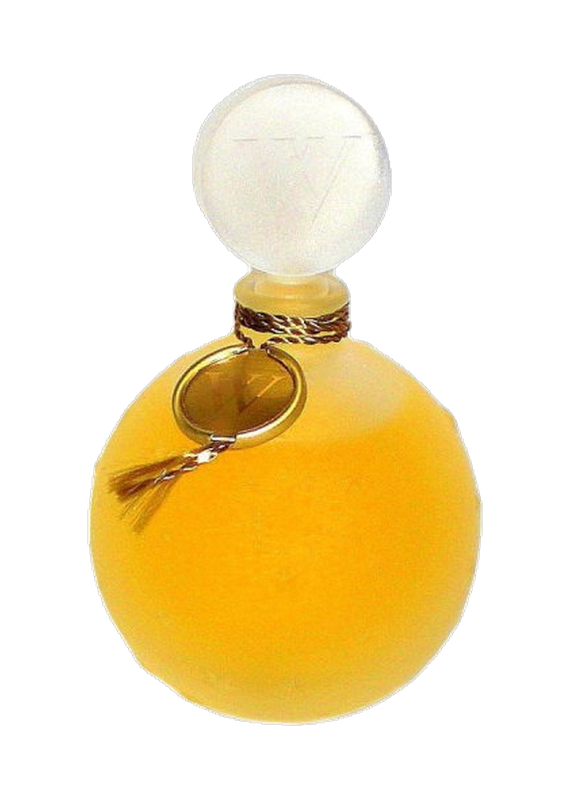





The Heritage
The Story of Worth
Charles Frederick Worth did not merely make dresses. He invented modern fashion. In 1858, the English-born designer opened his house at 7 Rue de la Paix in Paris, introducing seasonal collections, live models, and the concept of the designer as artist. His clients included Empress Eugénie, Sarah Bernhardt, and European royalty. Worth elevated dressmaking to haute couture, creating an industry that defined Paris as the center of global style. Today, the House of Worth continues this legacy in perfumery, translating the same spirit of innovation and elegance into fragrance.
Heritage
Charles Frederick Worth arrived in Paris in 1845 with nothing but talent and ambition. He worked first for textile merchants, then for Maison Gagelin where his designs gained recognition at Universal Expositions in London and Paris. While still at Gagelin, he supplied the trousseau for the newly married Empress Eugénie. This royal connection changed everything. In 1858, Worth opened his own house at 7 Rue de la Paix, partnering with Otto Bobergh. He introduced revolutionary concepts: seasonal collections, live models displaying garments instead of static mannequins, and the idea that a designer could dictate fashion rather than simply fulfill client requests. His wife Marie became the world's first professional model. The House of Worth attracted Europe's elite. Empress Eugénie appointed him court designer. Wealthy women purchased entire wardrobes from him. At the height of his career, the house employed 1,200 people. After Worth's death in 1895, his sons Gaston-Lucien and Jean-Philippe continued the business. The house operated until 1952, closing in 1956. Attempts to revive the brand in 1999 and again between 2010 and 2013 speak to its enduring resonance. Worth's innovations, the seasonal collection, the fashion show, the designer label, transformed dressmaking into haute couture and established Paris as the undisputed capital of luxury fashion.
Craftsmanship
The House of Worth approaches perfumery with the same meticulous standards that defined its couture. Each fragrance reflects the house's commitment to quality materials and considered composition. Worth fragrances are crafted to evoke the refined sensibility that characterized the house's legendary gowns, translating textile artistry into olfactory expression. The perfumery inherits Worth's innovative spirit. Just as Charles Frederick Worth pioneered seasonal collections and runway shows, his house approaches fragrance as an extension of creative vision rather than mere commercial product. Perfumers working within the Worth tradition emphasize the importance of structure and narrative within each composition, ensuring that every fragrance tells a coherent story from opening to dry down. Materials are selected with the same discernment applied to couture fabrics. The house understands that exceptional fragrance requires exceptional ingredients, and this principle guides every formulation. Worth fragrances aim to capture the essence of the house's aesthetic: refined, confident, and enduring. The craftsmanship reflects a belief that perfume should function as a signature, a sensory expression of identity that carries the weight of heritage without feeling antiquated. Every creation must justify its place in the Worth lineage.
Design Language
The Worth aesthetic draws directly from the house's couture heritage. Charles Frederick Worth established visual standards that remain influential: structured silhouettes, rich fabrics, meticulous tailoring, and an emphasis on timeless elegance over trend-driven novelty. His signature touches, including the distinctive button and branded label, established principles of luxury branding that persist today. Worth's visual identity centers on Parisian refinement. The house at 7 Rue de la Paix symbolized aspiration and authority. Its aesthetic translates to perfumery through designs that communicate heritage without nostalgia, classical proportions with contemporary sensibility. Bottle designs and packaging reflect the same attention to structure and detail that characterized Worth's gowns. The Worth woman, like her couture counterpart, projects confidence and commands respect. The aesthetic serves this identity, offering fragrances that feel sophisticated but never stiff, luxurious but never ostentatious. The house balances historical resonance with modern accessibility, understanding that heritage must feel alive rather than preserved. Paris remains the reference point, the city where Worth first established the standards by which luxury is measured. Every visual element aims to honor this legacy while speaking to a contemporary audience that values authenticity and refinement.
Philosophy
Worth believed that beauty required vision. He refused to simply respond to client demands, insisting instead that his creative vision set the direction. This was a radical inversion of the traditional relationship between tailor and wearer. Worth prepared designs for each season, showed them on living models, and clients made their selections from his vision. This dictatorial approach, as Worth himself called it, elevated the designer to arbiter of taste. The house philosophy centers on the conviction that true elegance must be authored, not merely assembled. Worth saw himself as an artist whose medium happened to be fabric. Every creation should be a statement, a vision of what refinement looks like. The house does not follow trends; it establishes them. This philosophy extends to perfumery, where Worth fragrances carry the same authority and creative confidence that defined his couture. Each fragrance should feel like a declaration, the olfactory equivalent of a Worth gown walking into a room and commanding attention. Paris was, and remains, the home of this vision. Worth chose it deliberately, understanding that the city itself embodied the standards he aspired to. The house continues to honor this conviction, believing that luxury demands the courage to lead, not follow.
Key Milestones
1825
Charles Frederick Worth born in Bourne, Lincolnshire, England
1845
Worth arrives in Paris and begins working for textile merchants and Maison Gagelin
1858
Worth opens his own house at 7 Rue de la Paix in partnership with Otto Bobergh
1871
Worth dissolves partnership with Bobergh, continues house independently
1895
Worth dies; sons Gaston-Lucien and Jean-Philippe assume leadership
At a Glance
Brand profile snapshot
Origin
France
Founded
1858
Heritage
168
Years active
Collection
1
Fragrances released
Avg Rating
3.8
Community sentiment