The Heritage
The Story of Lattafa Perfumes
Lattafa Perfumes is the United Arab Emirates powerhouse that turned the fragrance world on its head. They offer a taste of Arabian luxury and high-end scent profiles without the exclusive price tag, making them a gateway for many into the world of perfumery.
Heritage
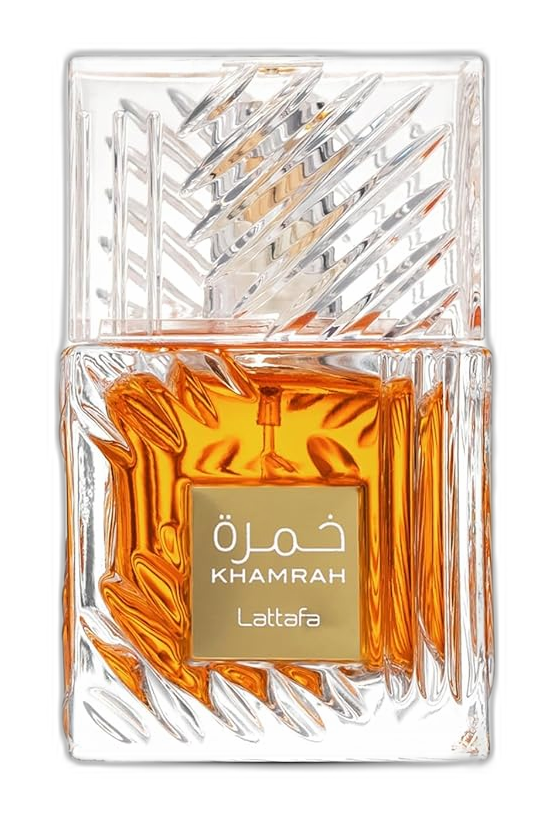
The story of Lattafa begins not in a Parisian atelier but in the vibrant souks of Dubai. In 1980, Sheikh Shahid Ahmad, alongside co-founder Shoaib Iqbal, established what would become one of the Middle East's most influential fragrance houses. Their vision was remarkably clear from the start: to create world-class perfumes that honored Arabian heritage while remaining accessible to everyday people. The name itself whispers this philosophy. Lattafa draws from the Arabic words Latif (gentle, kind) and Lateefa (pleasant), capturing the essence of what the founders wanted every customer to experience. This wasn't just commerce. It was cultural expression through scent. For the first decade, the company operated as a trading business focused on traditional Arabic perfumery: attar oils, bakhoor incense, and locally crafted fragrances that spoke to the region's deep olfactory traditions. By 1992, their reputation had grown enough to officially launch the Lattafa brand, expanding beyond the UAE into neighboring GCC countries. The house steadily built its name on a simple but radical premise: luxury should not be exclusive. While European houses charged premiums for their heritage, Lattafa invested in creating that same sense of opulence at a fraction of the cost. The real transformation came with social media's rise. Fragrance enthusiasts on TikTok and YouTube discovered what Middle Eastern consumers had known for years: Lattafa delivered astonishing performance and complexity for the price. When Khamrah launched and went viral in 2022, it introduced millions of Western consumers to the brand. Suddenly, everyone wanted to know about this Dubai house that made perfumes lasting twelve hours for under fifty dollars. Today, three generations of the Sheikh family guide the company. Their Dubai manufacturing facility produces scents exported to over 120 countries, making Lattafa one of the most significant democratizing forces in modern perfumery.
Craftsmanship
What separates Lattafa from other affordable fragrance brands is their vertical integration. Unlike houses that outsource production to third-party manufacturers, Lattafa controls every step of creation from their state-of-the-art Dubai facility. This matters more than most consumers realize. When you develop and blend your own fragrance oils in-house, you can ensure consistency, quality, and that signature potency the brand is known for. It also explains how they maintain such competitive pricing while using genuine ingredients like real oud, quality amber, and premium musk bases. Their manufacturing process reflects Arabian perfumery traditions updated for modern scale. The house is famous for creating fragrances with exceptional longevity and projection, characteristics deeply rooted in Middle Eastern fragrance culture where a scent should be noticed. Lattafa formulations typically feature higher concentrations of perfume oil than many Western designer equivalents. This is not accidental. It is a deliberate choice honoring their heritage while delivering the performance their customers expect. The company also maintains strict quality control over packaging and presentation. Their bottles feature substantial glass, intricate metalwork, and detailed finishing that feels far more expensive than the price suggests. This attention to the tactile experience reflects their understanding that luxury is felt as much as smelled. From the weight of the cap in your hand to the final drydown on your skin twelve hours later, every element receives attention. The result is a product that punches far above its weight class, consistently delivering experiences that rival houses charging five times the price.
Design Language
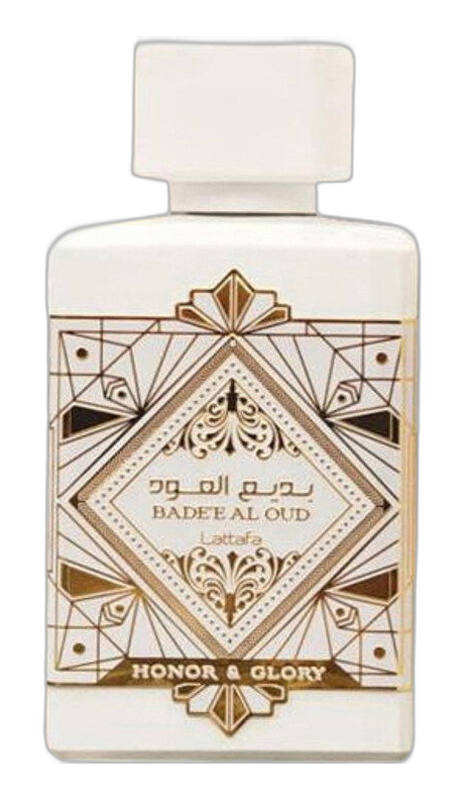
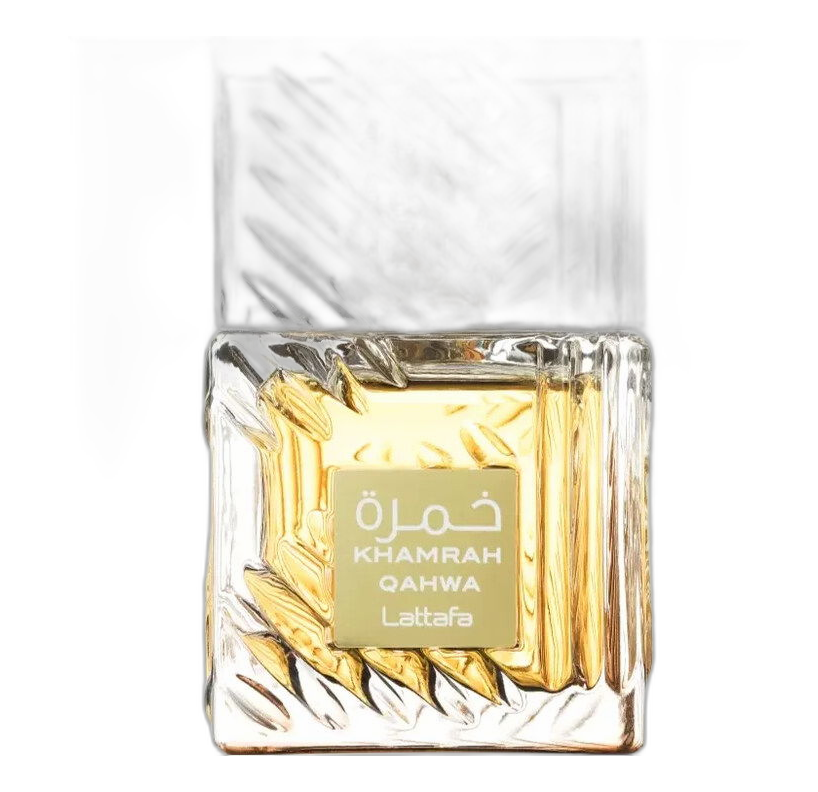
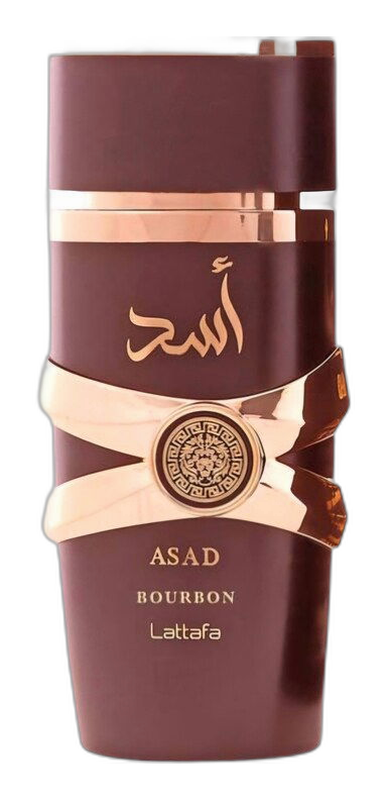
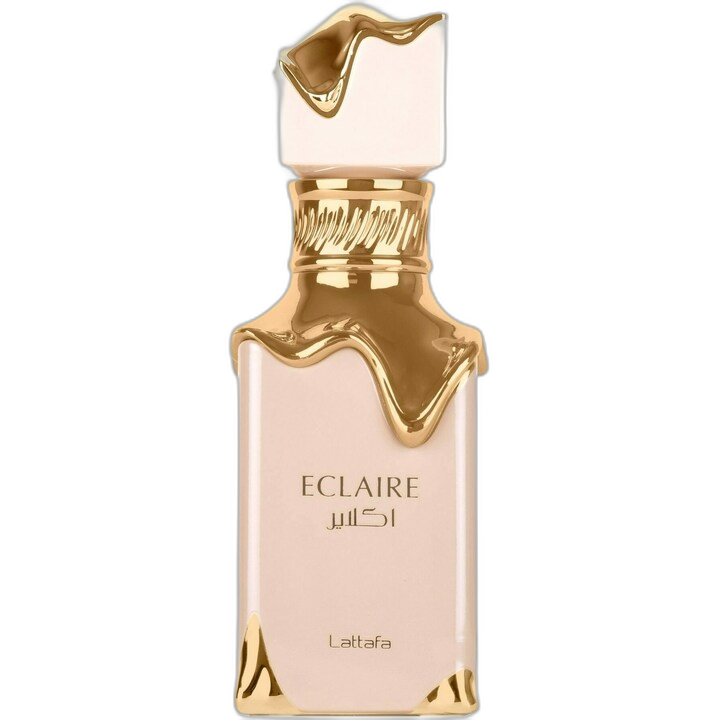
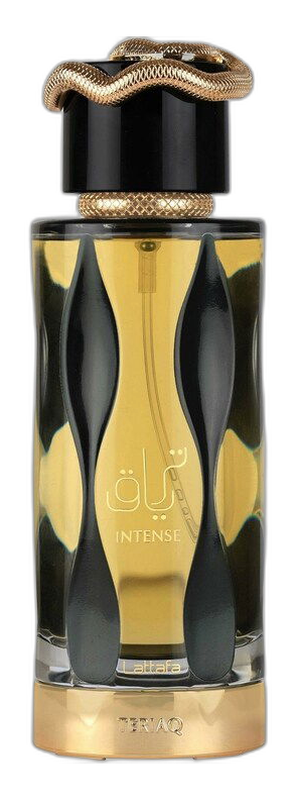
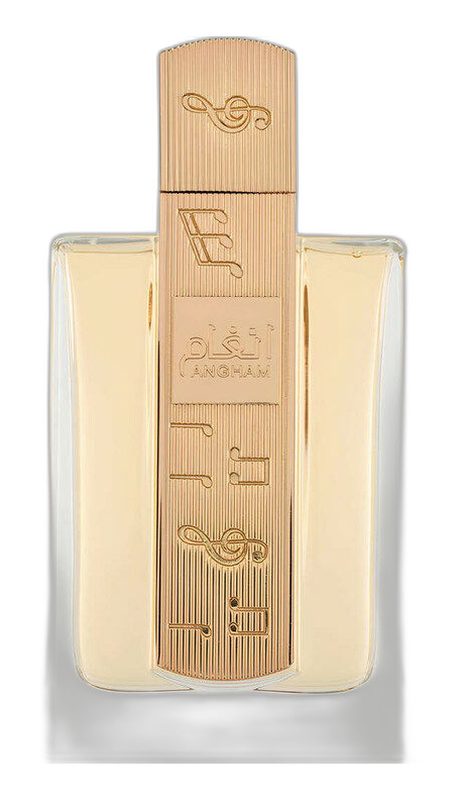
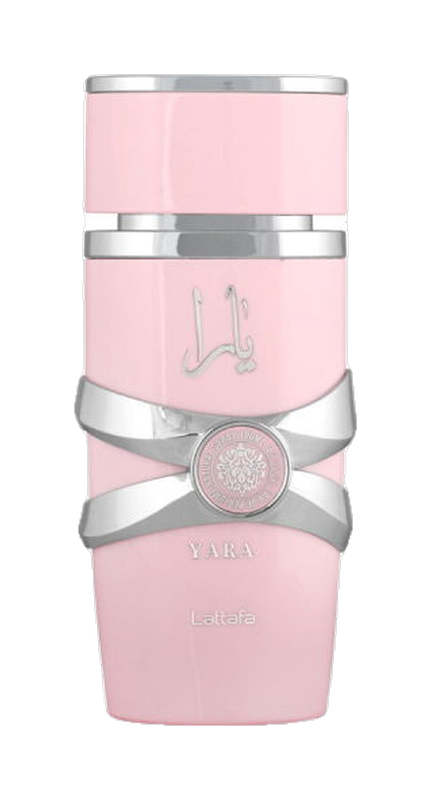
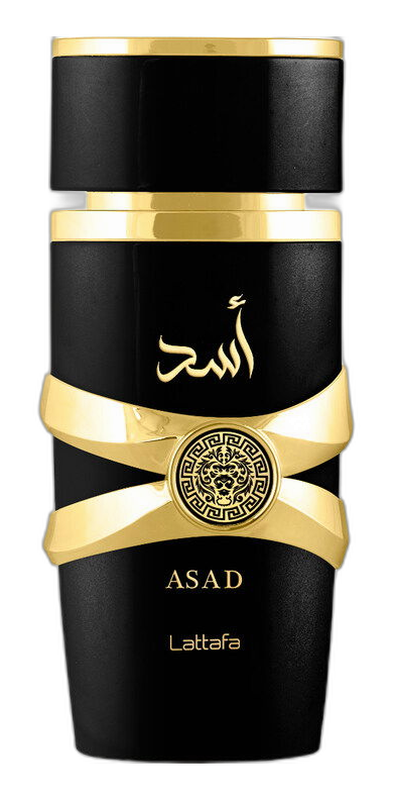
Lattafa's visual language is maximalist, ornate, and unapologetically opulent. Where minimalist Scandinavian design might whisper, Lattafa shouts with confidence. Their bottles are substantial objects, heavy in the hand, often featuring intricate metal caps, embossed details, and rich color palettes of gold, amber, and deep jewel tones. This is not subtle luxury. It is celebratory, abundant, and distinctly Arabian in its sensibility. The brand understands that in many cultures, particularly across the Middle East and South Asia, fragrance presentation carries social significance. A perfume bottle sits on a dresser as a decorative object, a status symbol, a daily reminder of personal investment in beauty. Lattafa leans into this expectation fully. Their packaging often involves multiple layers: outer boxes with textured finishes, inner coffrets, sometimes velvet pouches or elaborate presentation cases. Unboxing a Lattafa fragrance feels like opening a gift, even when you purchased it yourself. This aesthetic consistency extends across their sub-brands. Maison Alhambra channels similar ornate energy with slightly different visual signatures, while Asdaaf maintains the family resemblance. The design language communicates value immediately. You see the bottle before you smell the juice, and Lattafa ensures that first impression promises richness. It is a smart strategy for a brand competing in a crowded market. When someone pulls out a Lattafa bottle, it looks like it cost three times what they paid. That visual validation matters, reinforcing the brand's core promise of accessible luxury.
Philosophy
Lattafa operates on a refreshingly straightforward philosophy: everyone deserves to smell expensive. The house rejects the notion that luxury fragrances must carry luxury price tags. This is not about cutting corners or producing cheap imitations. It is about reimagining what accessible opulence looks like in the twenty-first century. The founders believed that the rich olfactory traditions of Arabia, with their ouds and ambers and musks, should not be confined to those with deep pockets. Their approach blends respect for heritage with pragmatic modernity. Traditional Arabic perfumery emphasized potency. Scents were meant to project, to leave trails, to announce presence. Lattafa maintains this cultural value while adapting formulas for global palates. They understand that a fragrance must perform beautifully but also feel wearable to someone in London or Los Angeles who may never have experienced authentic Arabian perfumery. This balance between authenticity and accessibility defines their creative vision. They are not trying to be the next Chanel or Dior. They are proudly, unapologetically Lattafa: a house that proves generosity and quality can coexist.
Key Milestones
1980
Sheikh Shahid Ahmad and Shoaib Iqbal establish Lattafa as a perfume trading company in Dubai, focusing on traditional Arabic attars and ouds
1992
Official launch of the Lattafa Perfumes brand, expanding beyond trading into creating original fragrances for the broader consumer market
2000
Expansion across GCC countries including Saudi Arabia, Kuwait, Bahrain, and Oman, establishing regional distribution networks
2012
Opening of a large, state-of-the-art manufacturing facility in Dubai, enabling vertical integration of fragrance production
2022
Khamrah launches and becomes a viral sensation on TikTok and social media, dramatically increasing global brand visibility
2024
Products now available in over 120 countries worldwide, cementing Lattafa's position as a global fragrance powerhouse
At a Glance
Brand profile snapshot
Origin
United Arab Emirates
Founded
1980
Heritage
46
Years active
Collection
10
Fragrances released
Avg Rating
4.1
Community sentiment