




The Heritage
The Story of Guy Laroche
Guy Laroche brought Parisian elegance to women who wanted strength in their silhouette and grace in their movement. Founded in 1957, the house began in fashion—vibrant color, plunging necklines, structured lines softened by a feminine hand—but soon expanded into fragrance. Fidji launched in 1966, the first of many scents that would dress modern women in confidence and clarity. Today, the house carries its fashion heritage into every bottle: strong, refined, and unmistakably elegant.
Heritage
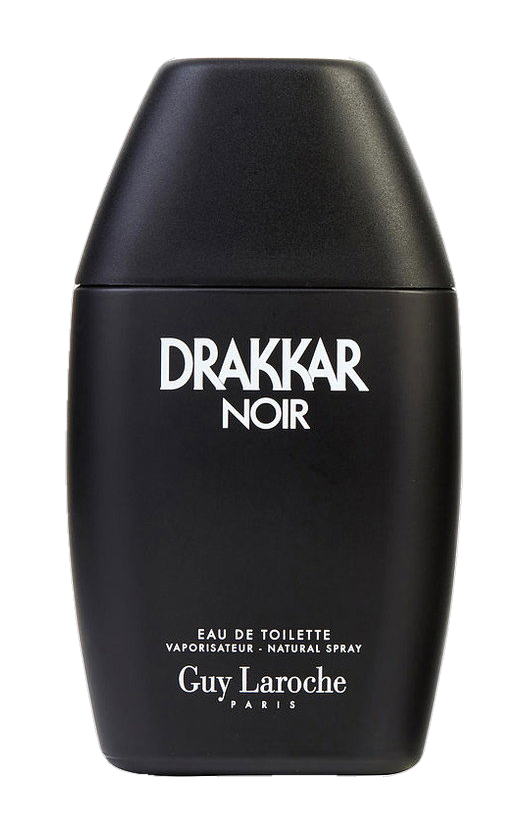
Guy Laroche opened his Paris atelier in 1957 with a clear mission: to dress women beautifully without compromise. Born in La Rochelle to a Tunisian Jewish family, he had trained under Jean Dessès before setting out alone. His early collections reintroduced vibrant color to Parisian fashion—pink, orange, coral, turquoise—and featured the plunging necklines and back lines that became his signature. His aesthetic was structured yet free. Laroche moved his house to 29 Avenue Montaigne in 1961, establishing both his couture operation and a boutique that brought his vision to a broader audience. He expanded into men's ready-to-wear in 1966, the same year Fidji launched as his first fragrance. The company continued to grow through the 1970s and 1980s, releasing Drakkar Noir in 1982 and establishing itself as a major force in both fashion and fragrance. Laroche died in 1989 at 67. Marcel Marongiu took creative direction in 2007, and the house continues to operate with the same spirit: heritage that evolves, elegance that remains. His legacy endures in the women who wear his designs and the fragrances that carry his name forward.
Craftsmanship
The house approaches fragrance with the same tailoring precision it brings to clothing. Guy Laroche perfumes take direction from their fashion heritage—structured compositions, deliberate contrasts, quality materials. The brand operates within a fragrance group structure that provides formulation resources and ingredient sourcing capabilities. This allows the house to maintain its standards while focusing on design and composition. Each fragrance undergoes development with attention to balance and wearability. The emphasis remains on creating scents that feel considered rather than loud—perfumes with the same clarity Laroche brought to his silhouettes. The goal is composure: fragrance that holds up through the day without demanding attention.
Design Language
Guy Laroche fragrances present themselves through clean, confident design. The bottles typically reflect understated luxury—geometric forms, restrained palette, clear typography. The aesthetic carries the house's fashion DNA: structured, elegant, with a sense of modern femininity. There is no excess, no posturing—just clear intent. Bottles feel like accessories rather than statements. This visual language ties back to Laroche's own design principles: clothes that worked for the woman wearing them, not for the audience viewing them. The fragrance line follows the same logic. Design that serves rather than shouts.
Philosophy
Laroche believed in designing for real women. Where other Parisian houses projected aloofness, he brought warmth and accessibility. He called himself a tailor first, and that sensibility—precision, craft, respect for the body—informed everything from couture gowns to ready-to-wear. His vision was strength without sacrifice. The tuxedo for women was one of his quiet revolutions: masculine structure, feminine hand. Laroche listened closely to what women wanted: freedom of movement, elegance that did not demand compromise. In fragrance, this philosophy translated to scents that projected confidence and clarity rather than excess. Each composition was designed to make the wearer feel assured, never overpowered. The house continues this approach today: perfumes that feel like a well-cut jacket—supportive, elegant, yours.
Key Milestones
1957
Guy Laroche founded his Paris atelier at 37 Avenue Franklin Roosevelt
1961
Moved to 29 Avenue Montaigne, opened boutique and introduced ready-to-wear collection
1966
Launched Fidji, the house's first women's fragrance, and introduced men's ready-to-wear
1977
J'ai Osé fragrance released, expanding the perfume line
1982
Drakkar Noir launched, becoming one of the house's most iconic scents
1989
Guy Laroche died in Paris at 67
At a Glance
Brand profile snapshot
Origin
France
Founded
1957
Heritage
69
Years active
Collection
1
Fragrances released
Avg Rating
4.0
Community sentiment