






The Heritage
The Story of Wild Olive Artisans
Wild Olive Artisans is an artisanal perfume house rooted on the slopes of Table Mountain in Cape Town, South Africa. Since its founding in 1997 the brand has focused on natural, locally sourced ingredients and handcrafted scent compositions. The house launched its first fragrance line in 2013 and has expanded to a portfolio that includes Cederberg (2014), Rosaria (2013), Vetiveria Citrata (2016) and the recent Verda (2022). Each perfume is presented as a small‑batch creation that reflects the surrounding landscape and the traditions of indigenous perfumery. The brand operates a boutique apothecary where visitors can explore scents, body care and home fragrance products in a setting that blends craft with a relaxed, garden‑like atmosphere.
Heritage
Wild Olive Artisans began as an artistic apothecary in 1997, founded by a group of South African craftsmen who wanted to revive traditional botanical extraction methods. The original workshop was built on the lower slopes of Table Mountain, a location chosen for its rich biodiversity and access to wild herbs, resins and woods. In the early 2000s the collective expanded its facilities to include a small laboratory where natural distillation and cold‑press techniques could be applied to create perfume bases. By 2013 the house released its first commercial fragrance, Rosaria, followed shortly by Florae and Cederberg, marking a shift from private commissions to a public line. The brand’s early success attracted attention from boutique hotels, leading to the inclusion of Flora Capensis in a natural amenity program for guest rooms. Over the next decade the house introduced a steady stream of scents, each anchored to a specific South African biome: Terra Flora (2017) evoked the fynbos plains, Vetiveria Citrata (2016) highlighted coastal vetiver roots, and the 2022 release Verda celebrated the resurgence of indigenous green notes. Milestones include the opening of a dedicated retail space in Cape Town’s Woodstock district in 2018, the launch of a limited‑edition line of scented candles in 2020, and a partnership with a regional conservation group in 2021 to support sustainable harvesting of wild orchids. Throughout its history, Wild Olive Artisans has maintained a small‑batch production model, limiting each release to a few thousand bottles to preserve quality and ensure traceability of raw materials.
Craftsmanship
Production at Wild Olive Artisans follows a hands‑on, small‑batch workflow. Raw materials arrive from smallholder farms across the Western Cape, where growers practice organic or low‑intervention cultivation. The house prefers wild‑crafted botanicals, such as fynbos proteas and Cape citronella, which are harvested by hand during peak aromatic periods. Once delivered, ingredients undergo cold‑press or steam distillation in a modest on‑site laboratory; the process is monitored by the founding perfumers to retain the integrity of volatile compounds. After distillation, the essential oils are aged in glass containers for several weeks, allowing subtle oxidation that deepens the scent profile. Blending is performed manually, using graduated pipettes to achieve precise ratios. Quality control includes gas‑chromatography analysis to verify the presence of key aroma constituents and to detect any unwanted contaminants. Bottles are filled by trained artisans who seal each with a hand‑applied cork or screw cap, then label the product with a minimalist tag that lists ingredient origins. The house also conducts periodic audits of its supply chain, ensuring that harvesting methods comply with local conservation guidelines. This meticulous chain—from field to bottle—aims to deliver a fragrance that is both chemically stable and true to its natural source.
Design Language
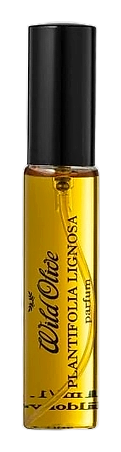
Visually, Wild Olive Artisans adopts a restrained, natural palette that mirrors the South African landscape. Bottle designs feature clear glass with simple, matte black or earth‑tone caps, allowing the liquid's colour to become the focal point. Labels are printed on recycled paper, using a thin sans‑serif typeface and a single line of botanical illustration that references the dominant note of the scent. The brand's retail space is arranged like a garden studio, with wooden shelving, potted native plants and soft, natural lighting that highlights the textures of raw ingredients. Promotional imagery often shows the perfume placed on weathered stone or woven fabrics, reinforcing a connection to the outdoors. Packaging for limited editions may incorporate hand‑stamped metal tags or woven sisal wraps, underscoring the artisanal ethos. Overall, the visual identity avoids overt luxury cues; instead it conveys quiet confidence through clean lines, tactile materials and a consistent emphasis on authenticity.
Philosophy
The house frames perfumery as a dialogue between place and scent. Its creators believe that a fragrance should echo the environment from which its ingredients are drawn, rather than impose an external narrative. This principle drives a commitment to work with indigenous growers and to source botanicals that are harvested in season and with minimal impact on local ecosystems. The brand’s statements emphasize a lifestyle of harmony, where fragrance supports a "good life" lived in balance with nature. Creative decisions start with field research; perfumers spend weeks observing plant cycles before selecting a handful of notes to develop. The resulting compositions avoid synthetic accords unless they are used to stabilize a natural ingredient, keeping the olfactory signature authentic. Transparency is another pillar: each perfume is accompanied by a brief that lists the primary botanical sources, their origin, and the extraction method. This approach reflects a broader ethical stance that values community partnerships, fair trade practices, and the preservation of traditional knowledge.
Key Milestones
1997
Wild Olive Artisans founded as an artistic apothecary on Table Mountain, Cape Town.
2013
Launch of first commercial fragrance, Rosaria, marking entry into the public perfume market.
2015
Flora Capensis selected for natural hotel amenity program, expanding brand presence in hospitality.
2018
Opening of dedicated retail boutique in Woodstock, Cape Town, offering full product range.
2020
Introduction of limited‑edition scented candle line, extending the brand into home fragrance.
2021
Partnership with regional conservation group to support sustainable wild orchid harvesting.
At a Glance
Brand profile snapshot
Origin
South Africa
Founded
1997
Heritage
29
Years active
Collection
1
Fragrances released
Avg Rating
5.0
Community sentiment
Release Rhythm


