







Heritage
A house, in its own words
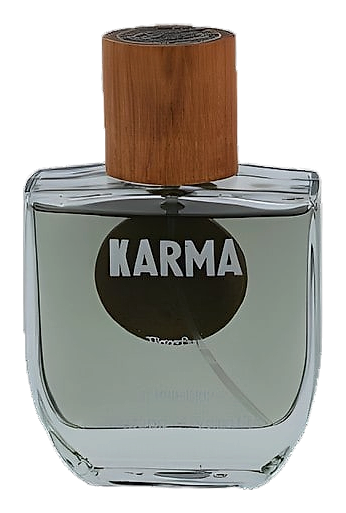
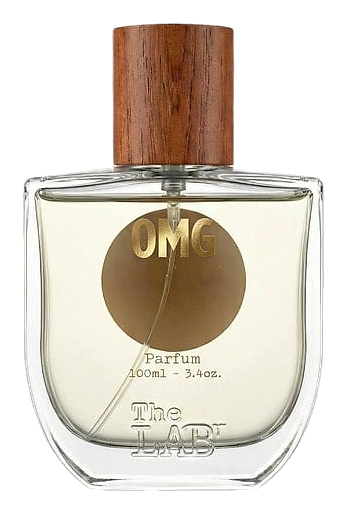
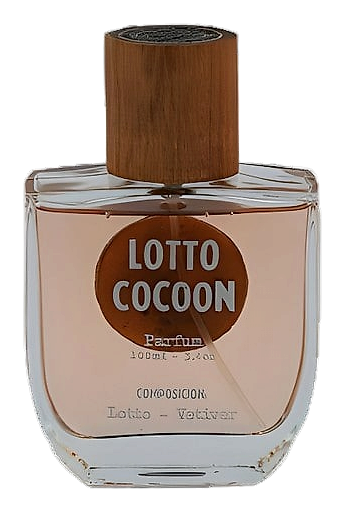
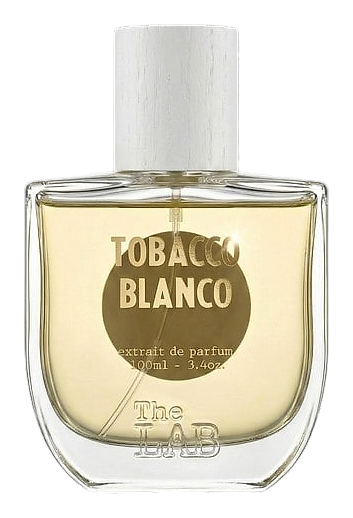
The LAB Fragrances traces its origins to 2017, when it was established in Singapore as a response to the limitations of mainstream perfumery. Rather than adhering to the conventional release schedule of major fragrance houses, the brand built its catalog gradually, introducing new scents as they were developed and refined. The house emerged during a period when niche perfumery was gaining momentum across Asia, with Singapore becoming an increasingly important hub for fragrance enthusiasts and independent houses. The founding team, operating as two friends rather than a traditional corporate entity, positioned the brand as an accessible alternative to European luxury houses without sacrificing the complexity that defines niche perfumery. Over the years, The LAB Fragrances has expanded its range to include nearly thirty distinctive creations, each named with a simplicity that belies the layered compositions within. The brand's Singaporean roots influence its approach, drawing on the city-state's multicultural character and its position as a crossroads of Asian and Western influences. The LAB Fragrances operates from the belief that perfume should be a personal statement rather than a status marker. Their philosophy centers on creating fragrances that speak to individual preference rather than conforming to industry trends or seasonal release cycles. The house describes its creations as unique formulations made with high-quality ingredients, without positioning itself within the ultra-luxury segment that dominates much of the niche fragrance world. This approach makes their offerings accessible to fragrance newcomers and seasoned collectors alike. The naming convention, which favors straightforward descriptors like Karma, OMG, and Amber Chocolate, reflects an anti-elitist stance toward perfumery. Rather than abstract poetic titles, each scent announces its primary character upfront. The brand's Singaporean perspective informs this democratic approach, drawing on a marketplace where practicality often outweighs prestige in consumer decision-making.