

Heritage
A house, in its own words
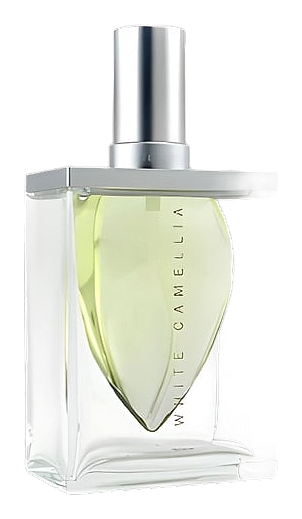
St. John traces its origins to 1962, when Marie Gray discovered her grandmother's knitting machine in a Southern California shop and began experimenting with hand-finished knits alongside her husband, Robert Gray. What started as a cottage enterprise operated from their home quickly attracted attention for its quality and distinctive construction. The brand secured a pivotal early account with a Beverly Hills boutique, and by the early 1970s had established itself as a resource for luxury knitwear that combined Italian yarn-spinning traditions with American manufacturing precision. Marie Gray served as the primary creative force through the company's growth into a full ready-to-wear collection, maintaining focus on the construction and fit that distinguished the label. St. John's expansion beyond clothing into fragrance represented a natural extension of the brand's lifestyle positioning. The 1994 debut fragrance arrived during a period when fashion houses were aggressively developing beauty lines as accessible entry points to their universes. White Camellia followed in 1998, and the 2008 reformulation of the original scent under perfumer Harry Frémont marked the brand's continued investment in the category. The Gray family retained controlling interest through the company's growth, with St. John remaining one of the few major American fashion houses not acquired by a luxury conglomerate. The St. John approach to fragrance, like its clothing, emphasizes restraint and longevity over novelty. The brand's fragrance philosophy centers on compositions that function as subtle signatures rather than bold statements. This aligns with the broader St. John ethos of investing in pieces that endure rather than chase seasonal trends. The decision to reformulate the original 1994 scent in 2008 reflected an intent to refine rather than replace, acknowledging that a fragrance becomes part of a loyal customer's identity over time. The brand does not release frequent limited editions or seasonal flankers, a strategy that distinguishes it from competitors who rely on novelty to drive fragrance sales. The naming convention itself, using the founder's first name and the house name rather than invented fragrance titles, reinforces the personal nature of the enterprise. This approach appeals to consumers seeking coherence between fashion and beauty purchases, where the aesthetic language remains consistent across categories. The White Camellia sub-line suggests a specific floral vocabulary that carries through the collection, creating a recognizable olfactive identity for the brand.